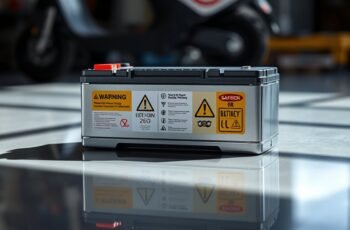
Just as a tightrope walker relies on careful balance, handling portable lithium battery packs demands vigilance to prevent potential hazards. Mishandling can lead to chemical leaks, fires, or explosions, posing serious safety risks. Understanding proper procedures for storage, charging, and disposal is vital to mitigate these dangers. To guarantee your safety and those around you, it’s imperative to follow best practices—details that could make all the difference when it matters most.
Key Takeaways
- Always use manufacturer-approved chargers and avoid overcharging or leaving batteries unattended during charging.
- Store batteries in a cool, dry place away from direct sunlight and flammable materials.
- Inspect batteries regularly for swelling, damage, or unusual odors, and dispose of compromised units properly.
- Handle damaged or punctured batteries with fire-resistant containers and contact emergency services if needed.
- Follow transportation regulations (IATA, DOT) and label batteries clearly to ensure safe transit and compliance.
How Lithium Battery Packs Can Be Dangerous If Misused
While lithium battery packs are generally safe when used correctly, improper handling can lead to serious hazards. Chemical hazards arise when batteries are punctured, damaged, or improperly disposed of, risking leakage of toxic electrolytes that can cause chemical burns or fires. Overcharging or short-circuiting increases the risk of thermal runaway, resulting in fires or explosions. Theft prevention is also critical; these batteries contain valuable materials that can be targeted for theft, posing safety and security risks. Mishandling during transport or storage may lead to unauthorized access, increasing the likelihood of misuse or malicious tampering. Proper safety protocols, secure storage, and controlled access are essential to mitigate chemical hazards and theft risks associated with lithium battery packs.
The Best Ways to Properly Handle Your Portable Battery
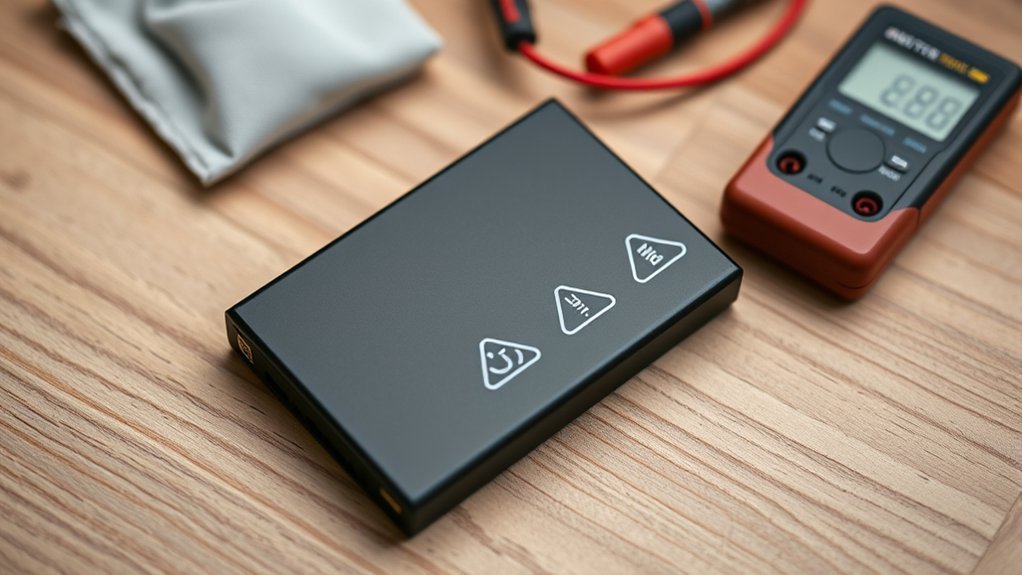
Proper storage of your portable lithium battery involves keeping it in a cool, dry environment away from flammable materials. Safe charging practices include using compatible chargers and avoiding overcharging or discharging to zero percent. Adhering to these guidelines minimizes risks and maintains battery performance.
Proper Storage Techniques
To guarantee your portable lithium battery pack remains safe and functional over time, it’s essential to follow specific storage protocols. Proper storage minimizes capacity loss and reduces safety risks. First, maintain an ideal storage temperature, typically between 40°F and 80°F (4°C to 27°C), as temperature extremes accelerate degradation. Second, store batteries in a cool, dry place away from direct sunlight, preventing thermal stress. Third, regularly check and recycle batteries when they reach end-of-life, promoting responsible battery recycling and environmental safety. Avoid leaving batteries in prolonged storage with a full or completely drained charge, as this can damage internal chemistry. Adhering to these storage practices ensures longevity, safety, and sustainability of portable lithium battery packs.
Safe Charging Practices
Ensuring safe charging practices is essential for maintaining the longevity and safety of your portable lithium battery pack. Proper procedures minimize charging hazards and prevent battery tampering, which can lead to malfunctions or safety incidents. Always use the manufacturer-recommended charger with correct voltage and current specifications. Avoid overcharging or leaving the battery connected unnecessarily, as this increases risk. Regularly inspect the charger and cable for damage. To deepen understanding, consider the following:
| Precaution | Purpose |
|---|---|
| Use certified chargers | Prevents charging hazards due to incompatible equipment |
| Avoid charging in extreme temperatures | Reduces thermal risks |
| Monitor during charging | Detects abnormal behavior early |
| Prevent battery tampering | Ensures integrity and safety |
| Store properly after charging | Maintains peak battery health |
Adhering to these practices ensures safe, efficient charging while safeguarding against hazards.
Tips for Safe Storage of Lithium Battery Packs

Storing lithium battery packs correctly is essential to prevent safety hazards and maintain their performance. Proper storage minimizes risks associated with battery degradation, fire hazards, and counterfeit batteries. We recommend the following practices:
- Store batteries in a cool, dry environment at approximately 20°C (68°F), avoiding extreme temperatures that accelerate aging.
- Keep batteries separated from combustible materials and clearly labeled to prevent misuse or confusion with counterfeit batteries.
- Implement a battery recycling protocol to dispose of damaged or expired packs responsibly, reducing environmental impact and safety risks.
Regular inspections are critical to identify signs of deterioration. Proper storage practices ensure longevity, safety, and compliance with regulations, ultimately reducing the risk of malfunctions and hazardous incidents.
Recognizing Signs of Battery Damage or Malfunction
Monitoring lithium battery packs for signs of damage or malfunction is essential to maintaining safety and performance. Visual indicators such as battery swelling are critical warning signs; swollen packs indicate internal gas buildup due to thermal runaway or cell failure, requiring immediate disposal. Additionally, unusual odors—particularly a strong chemical or burning smell—can signal overheating or electrolyte leakage, both of which pose serious safety risks. It’s important to regularly inspect your battery pack for these signs, as they often precede catastrophic failure. Any noticeable swelling or strange odors should prompt prompt removal from use and proper disposal, and the battery should be replaced. Recognizing these signs early helps prevent accidents, fires, and damage to connected devices.
How to Properly Charge and Discharge Your Battery Pack
Proper charging and discharging are critical to maintaining battery integrity and safety. We recommend following ideal charging practices, such as using compatible chargers and avoiding overcharging, to prevent damage. Safe discharging procedures, including avoiding deep discharges and monitoring voltage levels, are essential to prolong battery lifespan.
Optimal Charging Practices
Have you ever wondered how to maximize the lifespan and safety of your lithium battery pack? Proper charging practices are vital to achieve this. To optimize performance and minimize environmental impact, consider these guidelines:
- Keep charge levels between 20% and 80%, avoiding full 0-100% cycles when possible, which reduces stress on the battery.
- Use compatible chargers with appropriate voltage and current ratings to prevent overcharging or overheating.
- Prioritize battery recycling at end-of-life to reduce environmental impact and recover valuable materials.
Adhering to these practices not only prolongs battery life but also promotes responsible disposal, supporting sustainable battery recycling initiatives and reducing electronic waste. Proper charging habits are essential for safety, longevity, and environmental stewardship.
Safe Discharging Procedures
To guarantee the safety and longevity of your lithium battery pack, it’s essential to follow proper discharging procedures. Avoid deep discharges below 20% capacity, as this can damage the battery’s chemistry and reduce lifespan. Instead, discharge the battery gradually within recommended voltage ranges, monitoring voltage levels closely. Proper discharging minimizes thermal stress and prevents capacity loss. When the battery reaches end-of-life, adhere to disposal guidelines to ensure environmentally safe disposal. Recycle the battery through certified facilities to recover valuable materials and prevent environmental contamination. Never incinerate or discard lithium batteries in regular trash. Maintaining correct discharging practices not only enhances safety but also supports sustainable practices such as battery recycling, ensuring responsible handling throughout the battery’s lifecycle.
What to Do in Case of a Battery Fire or Leakage
When a lithium battery pack catches fire or leaks, immediate action is critical to minimize hazards and prevent escalation. Effective emergency response and containment procedures are essential. First, verify personal safety by evacuating the area and avoiding inhalation of fumes. Second, activate fire suppression systems suitable for lithium fires, such as Class D extinguishers or sand, to contain the fire safely. Third, isolate the battery from flammable materials and ventilate the area to reduce toxic fumes. Do not attempt to extinguish a lithium fire with water, as it can worsen the situation. Proper containment procedures involve sealing the damaged battery in a non-flammable, fire-resistant container until professional disposal. Always contact emergency services for assistance and follow established safety protocols.
Legal and Safety Regulations for Lithium Battery Packs
Ensuring compliance with legal and safety regulations is essential for the responsible use and distribution of lithium battery packs. Adhering to regulatory standards ensures safety, minimizes risks, and avoids legal penalties. Manufacturers and users must follow specific guidelines, such as proper packaging, labeling, and transportation protocols. These standards are enforced by agencies like the DOT, UN, and IEC, which specify testing procedures and safety requirements.
| Aspect | Regulatory Standard | Purpose |
|---|---|---|
| Packaging | UN 38.3 | Safe transportation |
| Labeling | IEC 62133 | Proper identification |
| Storage | OSHA standards | Fire and chemical hazard prevention |
| Transportation | IATA regulations | Air safety compliance |
| Handling | DOT regulations | Minimize risks during handling |
Easy Maintenance Tips to Keep Your Battery Safe and Reliable
Regular maintenance is essential for preserving the safety and reliability of your lithium battery pack. Proper care extends battery lifespan and optimizes performance over numerous charging cycles. To achieve this, we recommend:
- Regularly inspecting the battery for physical damage or corrosion, which can compromise safety and efficiency.
- Maintaining optimal charge levels, avoiding full discharges or overcharging, to minimize stress on the cells and prolong lifespan.
- Using the correct charger and following manufacturer guidelines for charging and storage, especially in varying temperature environments.
Consistent maintenance ensures that the battery remains safe to operate and maximizes its operational life. By adhering to these practices, you reduce risks associated with malfunction or failure, ensuring reliable power delivery over time.
Frequently Asked Questions
Can Portable Lithium Batteries Be Safely Used on Airplanes?
Yes, portable lithium batteries are safe on airplanes when complying with airline regulations and ensuring batteries are properly certified. We recommend checking airline policies, carrying batteries in carry-on luggage, and avoiding damage or exposure to extreme temperatures.
What Are the Environmental Impacts of Disposing of Lithium Batteries?
Disposing of lithium batteries can cause environmental contamination if not properly recycled; however, responsible battery recycling minimizes this impact, emphasizing that proper disposal practices are essential for reducing environmental harm and promoting sustainable waste management.
How Do Temperature Changes Affect Battery Safety?
Temperature changes can compromise battery safety by disrupting thermal regulation and affecting temperature stability, potentially leading to overheating, thermal runaway, or reduced lifespan. Maintaining consistent temperatures is essential for safe, reliable lithium battery pack operation.
Are There Specific Brands Known for Safer Lithium Battery Packs?
Like trusted guardians, brands such as Anker and RAVPower, renowned for their reputation and safety certifications, offer lithium battery packs with rigorous safety standards, ensuring reliable performance and minimizing risks in various temperature conditions.
What Are the Long-Term Storage Risks for Unused Batteries?
Long-term storage risks include battery corrosion and capacity loss; we recommend following storage precautions like keeping batteries in a cool, dry environment, avoiding extreme temperatures, and periodically inspecting for corrosion to maintain ideal safety and performance.
Conclusion
In summary, mastering lithium battery safety isn’t just a good idea—it’s essential for avoiding fiery surprises or chemical leaks. By following proper handling, storage, and charging procedures, we can guarantee our devices remain reliable and safe. After all, nothing says “smart” like preventing a battery meltdown before it happens. So, let’s stay vigilant, treat our batteries with respect, and keep the sparks where they belong—far away from us. Safety first, or else!