Plotting the complexities of lithium battery transport is like walking a tightrope—balance and precision are essential. Ensuring safety isn’t just about compliance; it’s about preventing hazards that can threaten lives and the environment. To achieve this, strict adherence to established guidelines is critical. But what specific measures are needed to safeguard shipments effectively? Understanding these protocols is crucial, and that’s where our focus begins.
Key Takeaways
- Properly package batteries with impact-resistant containers, cushioning, and insulation to prevent short circuits and damage during transit.
- Clearly label shipments as dangerous goods with appropriate hazard symbols and documentation per international regulations.
- Handle batteries carefully, avoiding damage, exposure, or improper disposal, and ensure compliance with safety standards like IATA and IMDG.
- Train personnel regularly on hazard recognition, emergency procedures, and proper handling to ensure safety and regulatory compliance.
- Implement recycling protocols and environmentally responsible disposal methods to minimize environmental impact and legal risks.
Understanding Lithium Batteries and Their Transport Risks
Although lithium batteries are essential for powering a wide range of devices, they pose significant safety risks during transportation due to their chemical properties. The core issue lies in their battery chemistry, which involves highly reactive materials that can ignite if damaged or improperly handled. These transportation hazards stem from the potential for thermal runaway, short circuits, and electrolyte leaks, all of which can lead to fires or explosions. Understanding these inherent risks is vital for implementing effective safety measures. The volatile nature of lithium-ion and lithium-polymer batteries demands strict compliance with transport regulations. Recognizing the dangers posed by their chemical makeup helps us manage and mitigate the risks, ensuring safer shipment and handling processes for these powerful energy sources.
Preparing Lithium Batteries for Safe Shipping
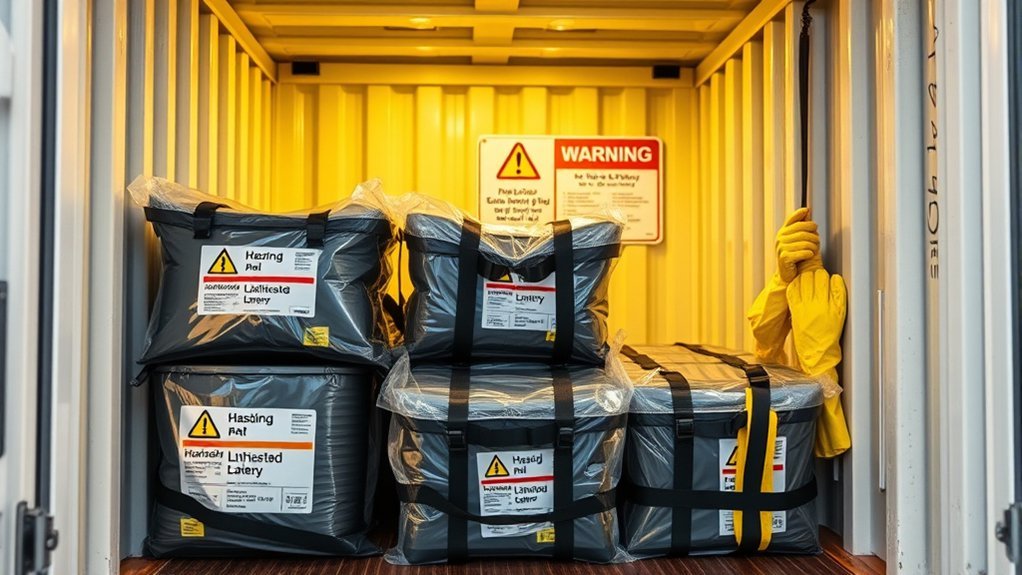
Proper preparation of lithium batteries before shipping markedly reduces the risk of accidents and guarantees compliance with safety regulations. We must guarantee batteries are fully protected against short circuits—using insulating tape or individual packaging—and securely contained to prevent movement. Damaged or defective batteries should be identified and safely disposed of, aligning with battery recycling protocols to minimize environmental impact. Labeling batteries correctly as “dangerous goods” is essential for safe handling. Incorporating lithium batteries into alternative energy systems emphasizes the importance of responsible shipping practices. Proper packaging, documentation, and adherence to safety standards not only protect handlers but also promote sustainable energy solutions. These preparatory steps are crucial in maintaining safety and supporting the broader goal of responsible energy development.
Regulatory Requirements for Lithium Battery Shipping

Regulatory requirements for shipping lithium batteries are strict and must be meticulously followed to guarantee safety and compliance. International regulations, such as IATA and IMDG codes, specify packaging, labeling, and documentation standards to prevent hazards during transit. Compliance guarantees that batteries are handled responsibly, supporting battery recycling efforts and minimizing environmental impact. Proper documentation includes safety data sheets and declaration forms, ensuring authorities are aware of the shipment’s contents. Non-compliance can result in severe penalties, shipment delays, or safety incidents. It’s essential to stay updated on evolving regulations and adhere to the latest guidelines. By following these requirements, we contribute to safer transportation, promote responsible battery disposal, and reduce the environmental footprint associated with lithium battery handling.
Packaging Best Practices to Prevent Damage and Short Circuits
Proper container selection is critical to safeguard batteries during transit, ensuring they withstand impact and environmental factors. Securing the battery’s position prevents movement that could cause damage or short circuits, while insulating contacts effectively eliminates the risk of accidental electrical contact. Implementing these best practices is essential to maintain safety and compliance throughout transportation.
Proper Container Selection
Selecting the right containers is essential to ensuring lithium batteries remain safe during transportation. We must prioritize container durability to withstand handling stresses and prevent damage. The container material should be compatible with lithium batteries, avoiding any reactions that could compromise safety or cause short circuits. High-quality, impact-resistant materials such as sturdy plastics or metal enclosures are recommended, provided they are non-reactive with battery components. Proper container selection minimizes the risk of punctures, crushing, or exposure to external elements. Additionally, the container must meet regulatory standards for lithium battery transport, offering secure containment and environmental protection. By focusing on durability and material compatibility, we enhance safety and reduce the risk of accidents during transit.
Securing Battery Position
To prevent damage and short circuits during transportation, securing the battery’s position within its container is critical. Proper battery storage minimizes movement, which can cause physical damage or internal short circuits. We recommend:
- Using cushioning materials to immobilize the battery, preventing vibrations and shocks.
- Ensuring the battery is tightly secured to avoid shifting within the container.
- Implementing dividers or separators in multi-battery packages to prevent contact.
- Maintaining voltage management by avoiding over-discharge or overcharge during packaging, which can compromise structural integrity.
These practices optimize safety by reducing mechanical stress and maintaining stable voltage levels. Properly securing the battery not only safeguards against damage but also ensures compliance with transport regulations, essential for safe lithium battery transport.
Insulating Contacts Effectively
Ensuring contacts are effectively insulated is crucial for preventing short circuits and damage during transportation. Proper insulation of contacts eliminates the risk of accidental contact that could lead to short circuits or sparks. We recommend using non-conductive materials such as plastic covers or electrically insulating tapes to cover exposed contacts thoroughly. Additionally, insulating contacts helps prevent corrosion caused by moisture or environmental exposure, which could compromise battery safety and performance. It is vital to check that all contact points are fully protected before shipping. Consistent application of insulation not only enhances safety but also prolongs battery lifespan by preventing unintended electrical contact and corrosion. Effective insulation is a fundamental step in adhering to lithium battery transport safety guidelines.
Labeling and Documentation for Lithium Battery Shipping
Have you ever wondered why proper labeling and documentation are critical when shipping lithium batteries? Clear labels ensure handlers recognize the hazards, preventing accidents. Accurate documentation guarantees compliance with regulations and supports safe transit. Proper labeling also promotes responsible battery recycling, reducing environmental impact. To achieve this, we emphasize four key points:
- Use internationally recognized hazard labels, such as Class 9 miscellaneous dangerous goods.
- Attach labels visibly on multiple sides of the package.
- Include detailed shipping documents, listing battery type, watt-hour rating, and handling instructions.
- Verify that documentation complies with international standards like IATA or IMDG codes.
These measures help prevent mishandling, promote environmental responsibility, and facilitate safe, compliant transportation of lithium batteries.
Handling and Storage Guidelines During Transit
Proper handling and storage during transit are crucial to maintaining the safety of lithium batteries. We must guarantee batteries are stored in secure, well-ventilated containers that prevent short circuits and damage. Proper segregation reduces risks of thermal runaway, which could lead to fires or explosions. Additionally, we emphasize the importance of tracking and documentation to facilitate efficient battery recycling after transit, minimizing environmental impact. Safe storage practices also involve avoiding exposure to extreme temperatures and moisture, which can degrade battery integrity and pose hazards. By adhering to these guidelines, we reduce safety risks and promote environmentally responsible disposal. Effective handling and storage during transit are essential for protecting personnel, preventing accidents, and supporting sustainable battery recycling efforts, ultimately reducing the environmental footprint associated with lithium battery transport.
Emergency Response Procedures for Lithium Battery Incidents
We must quickly recognize hazard signs, such as swelling or smoke, to respond effectively. In case of fire, immediate action is vital to contain damage and protect lives. We also need clear evacuation procedures to guarantee everyone’s safety during an incident involving lithium batteries.
Identifying Hazard Signs
How can we quickly recognize a lithium battery incident? The key lies in identifying hazard signs, such as hazard symbols and warning labels. These labels are designed to alert responders to potential danger. Look for the following indicators:
- Bright, recognizable hazard symbols indicating flammability or chemical risk.
- Warning labels with labels like “Lithium-ion Battery” or “Danger: Explosive.”
- Labels showing fire or heat symbols, signaling thermal runaway potential.
- Specific handling instructions that warn against puncturing or exposing to heat.
These signs are crucial for immediate safety measures. Recognizing hazard symbols and warning labels ensures swift, effective responses, minimizing risk during incidents involving lithium batteries. Always stay alert and adhere to these visual cues.
Immediate Fire Response
When a lithium battery fire occurs, swift and systematic actions are imperative to contain the blaze and guarantee safety. Immediate fire response must prioritize effective fire suppression techniques tailored to lithium battery incidents, such as using Class D fire extinguishers or specialized fire suppression agents designed for metal fires. It’s essential to prevent the fire from spreading, which requires rapid hazard mitigation measures, including isolating the affected area and removing nearby flammable materials. Personnel should avoid using water on lithium battery fires, as this can intensify the blaze. Proper training ensures responders act quickly and confidently, minimizing damage and risks. Precise, coordinated efforts in fire suppression and hazard mitigation are critical to protecting lives, property, and the environment during lithium battery fire emergencies.
Proper Evacuation Procedures
In the event of a lithium battery incident, executing prompt and organized evacuation procedures is essential to ensuring everyone’s safety. Effective evacuation depends on clear protocols and preparation. We recommend:
- Conduct regular evacuation drills to familiarize personnel with escape routes and procedures.
- Establish reliable emergency communication systems to alert everyone immediately.
- Designate specific roles, such as safety wardens, to coordinate the evacuation process.
- Ensure all personnel know how to identify signs of battery fire or thermal runaway and respond swiftly.
Preparedness minimizes confusion and delays during an incident. Proper training, combined with established evacuation protocols, ensures quick, safe evacuation. Remember, a well-practiced plan saves lives and prevents escalation of lithium battery emergencies.
Common Mistakes to Avoid When Shipping Lithium Batteries
Shipping lithium batteries involves strict regulations, and failing to adhere to them can lead to serious safety risks and regulatory penalties. One common mistake is inadequate packaging, which increases the risk of short circuits or thermal runaway. Avoid using damaged or non-compliant containers, and always follow packaging guidelines. Another error is improper labeling; clear, accurate labels are essential for safety and regulatory compliance. Additionally, neglecting to inform handlers about battery type and hazards compromises consumer safety and complicates emergency response. Failing to prioritize battery recycling protocols can lead to environmental hazards and legal issues. Ultimately, rushing shipments without proper documentation can cause delays and penalties. Ensuring proper handling, clear labeling, and adherence to regulations safeguards consumer safety and ensures responsible disposal and recycling practices.
Training and Certification for Safe Lithium Battery Transport
Proper training and certification are essential to guarantee the safe transport of lithium batteries, as they equip personnel with the necessary knowledge to handle, package, and label batteries according to regulatory standards. Well-trained staff understand the importance of minimizing environmental impact and promoting safety, including proper procedures for battery recycling. Key elements include:
Proper training and certification ensure safe lithium battery handling, packaging, labeling, and environmental responsibility.
- Understanding packaging requirements for different battery types
- Recognizing hazards and implementing safety protocols
- Properly labeling batteries to meet international standards
- Staying informed about evolving regulations to prevent violations
Certification assures personnel are competent, reducing risks associated with mishandling. In doing so, companies protect the environment and contribute to sustainable practices in lithium battery transportation. This foundation of knowledge is critical for maintaining safety and regulatory compliance.
How to Stay Updated on Lithium Battery Shipping Regulations
To guarantee compliance, we must actively monitor updates from regulatory bodies and stay informed of any changes. Subscribing to industry news sources guarantees timely access to critical information, while attending certification workshops keeps our knowledge current. Together, these actions help us maintain the highest safety standards in lithium battery shipping.
Monitor Regulatory Bodies
Staying current with lithium battery shipping regulations requires actively monitoring the updates issued by regulatory bodies. To do this effectively, we recommend:
- Regularly review updates from organizations like the UN, IATA, and DOT.
- Subscribe to official newsletters for real-time regulatory changes affecting battery recycling and transportation.
- Attend industry webinars and conferences that discuss evolving safety standards and battery lifespan considerations.
- Maintain direct contact with regulatory authorities to clarify compliance requirements and stay ahead of potential regulation shifts.
Keeping track of these updates ensures compliance, enhances safety, and minimizes risks associated with lithium battery transport. It also helps us adapt procedures related to battery recycling and manage battery lifespan, reducing hazards during shipment and ensuring responsible handling.
Subscribe to Industry News
Subscribing to industry news sources is essential for staying informed about the latest regulations and safety practices related to lithium battery shipping. Regular updates help us monitor changes in regulations concerning battery chemistry and charger compatibility, which directly impact compliance and safety protocols. Industry news outlets provide timely insights into emerging safety standards, packaging requirements, and handling procedures, guaranteeing we are prepared for regulatory shifts. Staying current minimizes risks associated with improper transport and helps us adapt quickly to new rules. By consistently following authoritative sources, we can proactively implement best practices, maintain legal compliance, and enhance safety measures. This approach ensures our shipping processes remain efficient, safe, and aligned with the evolving landscape of lithium battery transport regulations.
Attend Certification Workshops
Participating in certification workshops provides a direct and practical way to stay current with lithium battery shipping regulations. These workshops guarantee we comprehend the latest rules, including those related to battery recycling and minimizing environmental impact. To maximize benefits, focus on:
- Learning updates on international and local shipping standards.
- Understanding proper packaging and handling procedures.
- Gaining insights into regulations promoting battery recycling.
- Recognizing the environmental impact of non-compliance and improper disposal.
Frequently Asked Questions
How Can I Identify Different Types of Lithium Batteries?
We identify lithium battery types by examining their battery chemistry labels, such as lithium-ion or lithium polymer, and checking their state of charge. This precise approach guarantees proper handling, safety, and compliance with transport regulations.
What Are the Penalties for Non-Compliance With Shipping Regulations?
Breaking the rules is like sailing into stormy seas; regulatory penalties loom like thunder, risking hefty fines and legal trouble. We face compliance challenges that can capsize our operations, emphasizing the need for strict adherence to shipping regulations.
Are There Temperature Restrictions During Lithium Battery Transit?
Yes, during lithium battery transit, we must adhere to strict temperature monitoring and storage conditions, typically between 0°C and 30°C, to prevent hazards. Maintaining proper conditions guarantees safety and compliance throughout transportation.
How Often Should Shipping Equipment Be Inspected for Safety?
We recommend inspecting shipping equipment and packaging materials at least monthly to guarantee safety and compliance. Regular inspection frequency helps identify potential issues early, maintaining safety standards for lithium battery transit and preventing hazards during transportation.
What Are the Signs of Damaged or Compromised Lithium Batteries?
Like a ticking time bomb, damaged lithium batteries show signs of swelling, corrosion, or leakage, indicating compromised integrity. Recognize these warning signs early to prevent safety hazards, ensuring proper handling and disposal.
Conclusion
In summary, adhering to lithium battery transport safety guidelines is vital to prevent incidents and protect the environment. Did you know that improper handling accounts for over 40% of lithium battery-related incidents during shipping? By following proper packaging, labeling, and training protocols, we can greatly reduce risks. Staying informed about regulatory updates and best practices isn’t just recommended—it’s essential for ensuring safe, compliant, and responsible transportation of these powerful energy sources.