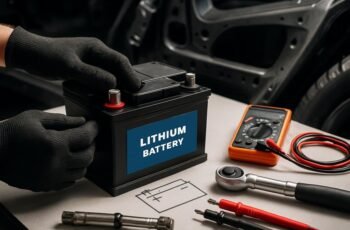
You probably don’t know how small changes in charge current or termination timing can drastically affect a Li‑ion pack’s lifespan and safety. We’ll outline how to pick certified chargers matched to your chemistry and configuration, monitor voltage, current, and temperature in real time, and enforce automatic shutoffs for limit breaches. This precision approach reduces thermal risk and extends pack life, but it also raises questions you’ll want answered as we step through safe handling, temperature windows, and end‑of‑life planning.
Key Takeaways
- Use chargers matched to your battery chemistry and rated voltage/current with proper termination and active protections.
- Monitor temperature and avoid charging at extreme temperatures; high heat accelerates aging, cold impedes kinetics.
- Prioritize certified charging equipment, proper isolation, and real-time voltage/current monitoring during initial cycles.
- Maintain safe storage at 0–25°C with 30–60% state of charge for long-term health and calendar aging reduction.
- Implement enclosure ventilation, fault detection, and emergency procedures for thermal events and venting.
Core Principles of Safe Li‑Ion Charging

What are the core principles that keep Li-ion charging safe? We present a precise, data-driven view, addressing readers directly. We establish safe limits for voltage, current, and temperature, then enforce these through protective circuitry and real-time monitoring. We minimize thermal rise by controlling charging rates and stopping at termination thresholds, preventing thermal runaway. We rely on certified chemistries and known safety margins, validating packs with rigorous testing and quality controls. We emphasize battery safety through robust insulation, fault detection, and safe-handling practices that reduce exposure to hazards. We describe charging etiquette as a practical, procedural mindset: use approved chargers, avoid extreme temperatures, and disconnect only when appropriate. Our approach prioritizes reliability, traceability, and consistent performance across devices and environments.
How to Choose the Right Li‑Ion Charger
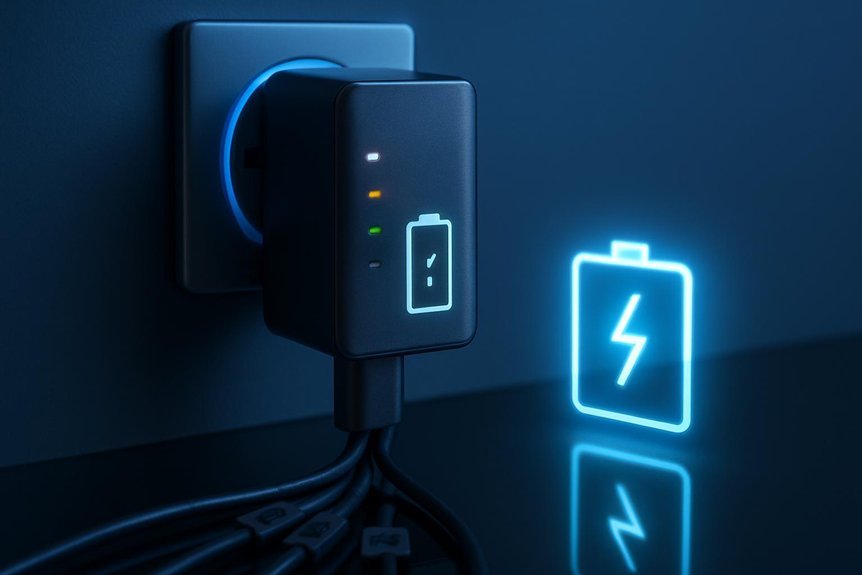
We’ll start with compatibility: select chargers that match your battery type and chemistry to ensure proper voltage, current, and termination. We’ll also verify safe charging parameters—rated voltage, maximum current, and temperature thresholds—to prevent overcurrent or overheating. By sticking to these data-driven criteria, we can help you choose a charger that supports both safety and performance.
Compatible Battery Types
Choosing the right Li‑ion charger starts with identifying the chemistry and form factor of your battery. We tailor our guidance to compatible battery types by matching cell chemistry, voltage range, and connector standards to the charger’s specs. Our approach emphasizes data-driven checks: verify nominal and maximum voltages, cell count, and pack configuration before selection. We prioritize modular chargers that support common chemistries like NMC, LCO, and NCA, while noting constraints for pouch vs. cylindrical formats. We include guidance on solid state compatibility tips, ensuring contiguously rated output and proper balance features for mixed packs. We also acknowledge cobalt free chemistries as part of future-proof options, focusing on safe, manufacturer-recommended compatibility. This precision helps minimize mis‑matches and enhances overall safety and performance.
Safe Charging Parameters
Safe charging parameters hinge on matching charger output to your cell chemistry and pack configuration, then following manufacturer-recommended voltage and current limits. We evaluate charger specs against cell type, capacity, and temperature rise to ensure compatibility, and we verify that protections—overcurrent, overvoltage, and short-circuit safeguards—are active. Our approach emphasizes using certified chargers with proper isolation and load profiles, avoiding generic USB power banks for high-C-rate packs. We monitor real-time voltage and current during initial cycles to confirm steady behavior and thermal stability, adjusting only within spec. Safe charging relies on adherence to documented limits and proactive battery protection throughout the charging window.
| Charger Parameter | Purpose |
|---|---|
| Voltage Limit | Prevent overvoltage stress |
| Current Limit | Control heat and chemical aging |
How Temperature Affects Li‑Ion Battery Health
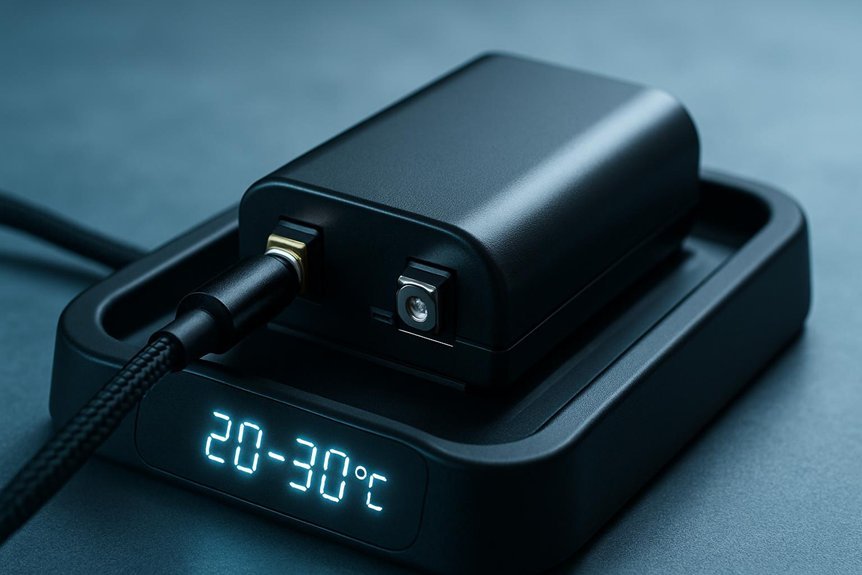
Temperature strongly influences Li‑ion battery health. We quantify effects with data: high temperatures accelerate impedance growth, capacity fade, and SEI layer changes, while cold reduces kinetic activity and delivers lower instantaneous power. We monitor thermal profiles to prevent excursions beyond safe ranges, using cooling or heating as needed. In practice, we target operation within the manufacturer’s recommended temperature window and avoid rapid temperature shifts that stress materials. Elevated ambient heat, enclosure heat, or charging at high current under heat can double degradation rates over time, whereas persistent cold hampers full chemical reaction and can trigger lithium plating in extreme cases. Subtopic idea 1, Subtopic idea 2 guide our safety judgments and maintenance checks as we optimize longevity and reliability.
Daily Charging Habits vs. Storage: A Longevity Guide
Daily charging habits and storage routines directly affect long‑term lithium‑ion performance. We guide you toward maximizing battery longevity by balancing usage patterns with safe storage targets. In daily use, we favor controlled bulk charging when needed, avoiding prolonged high‑voltage exposure that accelerates degradation. When devices sit idle, we recommend storage at moderate state of charge and cool temperatures, not at full or empty extremes. Understanding Daily vs. storage tradeoffs helps us minimize calendar aging and impedance growth, while preserving usable capacity. Bulk charging is efficient for regular cycles, but we pair it with periodic trickling charging during extended downtime to stabilize cells. This approach reduces stress, supports consistent performance, and maintains battery longevity without compromising readiness or safety.
When to Fast Charge vs. Slow Charge
Why choose fast charge over slow charge? We reserve fast charging for time-critical needs and consider battery health tradeoffs. When our usage is urban and time-pressured, rapid top-offs can minimize downtime and keep schedules intact, but only if the pack isn’t near thermal or voltage limits. Data shows charging rate and temperature interact strongly: high C-rates at elevated V benchmarks raise degradation risk more than moderate rates at stable temps. We recommend fast charging for short daily trips, back-to-back errands, or unavoidable delays, keeping a close eye on charger quality, battery age, and pack indication. For longer trips or when temps spike, slow charging preserves longevity. In all cases, monitor state-of-charge targets and avoid prolonged high-current sessions to maintain health during urban use.
Safe Handling and Safety During Charging
We maintain a safe charging environment and closely monitor for signs of thermal risk, following established guidelines and documented thresholds. Our approach is data-driven: we verify ventilation, proper enclosure, and compatible hardware to minimize exposure to heat and possible leaks. We’ll outline concrete safety checks and incident response steps to ensure consistent, proactive protection during every charging session.
Safe Charging Environment
To guarantee safe charging, we must establish a controlled environment that minimizes risk from heat, sparks, and leaks: keep the area dry, well-ventilated, and free of flammable materials, and store batteries away from direct sunlight or extreme temperatures. We evaluate energy density implications for enclosure design, guaranteeing spacing supports safe heat dissipation without compromising performance. Pack ventilation must maintain a steady air exchange rate, preventing accumulation of any vented gases during abnormal events. We choose components with high corrosion resistance to withstand electrolyte exposure and minimize degradation over cycles. Connector durability is critical; use robust contacts and secure housings to avoid intermittent connections. Clear labeling, routine inspections, and proper grounding reduce contact hazards and support repeatable, safe charging outcomes.
Thermal Risk Management
Thermal risk management begins with proactive handling and safe charging practices to prevent overheating, thermal runaway, and gas buildup. We align procedures with measured data, monitor temps, and enforce clear thresholds to minimize venting risks. Our approach emphasizes containment, rapid response, and documented recommendations that reduce exposure and incident likelihood. We describe validated cooling, proper enclosure ventilation, and compliant materials to sustain safe operation during charging.
- Establish continuous temperature monitoring with defined alerts and automatic shutdown if limits are breached.
- Use purpose-built enclosures with adequate ventilation and fire-resistant barriers to limit heat transfer.
- Implement standardized thermal management protocols, including cooling, conditioning, and fault isolation.
- Train staff on recognizing early signs of thermal buildup and executing emergency venting and containment procedures.
Storage, Maintenance, and End‑of‑Life Planning
Proper storage, routine maintenance, and a clear end-of-life plan are essential to maximize battery life and safety. We approach storage best practices with data-backed targets, monitoring temperature, voltage, and state of charge to minimize degradation. Regular inspections catch swelling, leaks, or corrosion early, reducing failure risk. End of life planning is proactive: establish recycle pathways, record usage history, and define replacement criteria to avert hazards. The following table highlights key actions and metrics we track:
| Action | Metric |
|---|---|
| Temperature control | Maintain 0–25°C |
| State of charge targets | 30–60% for long-term storage |
| Cycle and age monitoring | Schedule audits; retire when thresholds reached |
Frequently Asked Questions
Do Fast Chargers Reduce Battery Lifespan in the Long Term?
Fast charging can, over time, stress cells and slightly reduce lifespan; however, with proper thermal management and optimized charging protocols, reliability remains high. We monitor temps, balance chemistry, and adjust current to minimize degradation while staying efficient.
Can Wireless Charging Damage Li‑Ion Cells More Than Wired Charging?
Wireless charging can, on average, introduce similar heat profiles to wired charging, but not inherently more damage; the key is charging efficiency tradeoffs and proper alignment. We’ve seen data show modest efficiency losses with misalignment, avoiding premature aging.
Is Charging at 100% Always Worse Than Stopping at 80%?
Yes, charging to 100% isn’t always worse; we’ve seen higher stress on voltage stability and broader wear per cycle. We recommend shallow cycles, balancing charging cycles, and monitoring voltage stability to optimize longevity.
How Do Temperature Changes During Charging Affect Cell Chemistry?
We see temperature dynamics shaping cell chemistry: as charging proceeds, temperature spikes drive heat generation, accelerating degradation. We monitor, we quantify, we adjust; we prioritize safety, using data-driven limits to keep chemistry stable and reliable.
Are There Risks Using Third-Party Chargers With High-Capacity Packs?
We warn you about risks with unregulated third party, high capacity packs: they can deliver unstable voltage, overheating, and thermal runaway. We rigorously assess compatibility, quality controls, and safety certifications before advising any non-OEM charger use.
Conclusion
We are the keepers of a torch that hums with careful heat and measured charge. Think of a careful garden: each cell a seed, each charger a gentle sun, each safeguard a fence. When we monitor voltage, current, and temperature, we prune risks before they bloom. If we follow certified mappings and strict limits, the garden thrives longer and safer. Let’s charge with discipline, pause for balance, and end with a safe, quiet finish.