Imagine plugging in a charger and hearing a crackling sound from your lithium battery—this could indicate a short circuit, which poses serious safety risks. Ensuring lithium batteries are handled and stored correctly is essential to prevent such incidents. Understanding the causes, signs, and preventative measures can considerably reduce hazards. Let’s explore the critical safety practices and how to effectively manage these batteries to protect both your equipment and safety.
Key Takeaways
- Always handle lithium batteries in a safe environment, avoiding contact with conductive objects or damage.
- Inspect batteries regularly for swelling, damage, or unusual heat before use or storage.
- Use fire-resistant, non-conductive containers for storage and disposal, and limit storage duration to 6 months.
- Ensure batteries are certified (e.g., UN 38.3, IEC 62133) and avoid counterfeit or incompatible products.
- Utilize a Battery Management System (BMS) to monitor and prevent internal short circuits and thermal runaway.
How Do Lithium Batteries Short Circuit?
Lithium batteries short circuit when their positive and negative terminals are directly connected, either intentionally or accidentally, creating an unintended low-resistance circuit pathway. This occurs due to disruptions in the battery’s internal or external circuitry, allowing current to bypass the designed load. The battery chemistry plays a vital role; lithium-ion cells contain highly reactive materials that produce significant heat when a circuit pathway forms outside normal parameters. When a low-resistance circuit pathway develops, excessive current flows rapidly, causing rapid heating and potential thermal runaway. Short circuits can result from physical damage, manufacturing defects, or external conductive objects bridging terminals. Essentially, any unintended connection that bypasses the battery’s proper circuitry enables a dangerous, uncontrolled flow of current, risking damage and safety hazards.
Common Causes of Lithium Battery Short Circuits
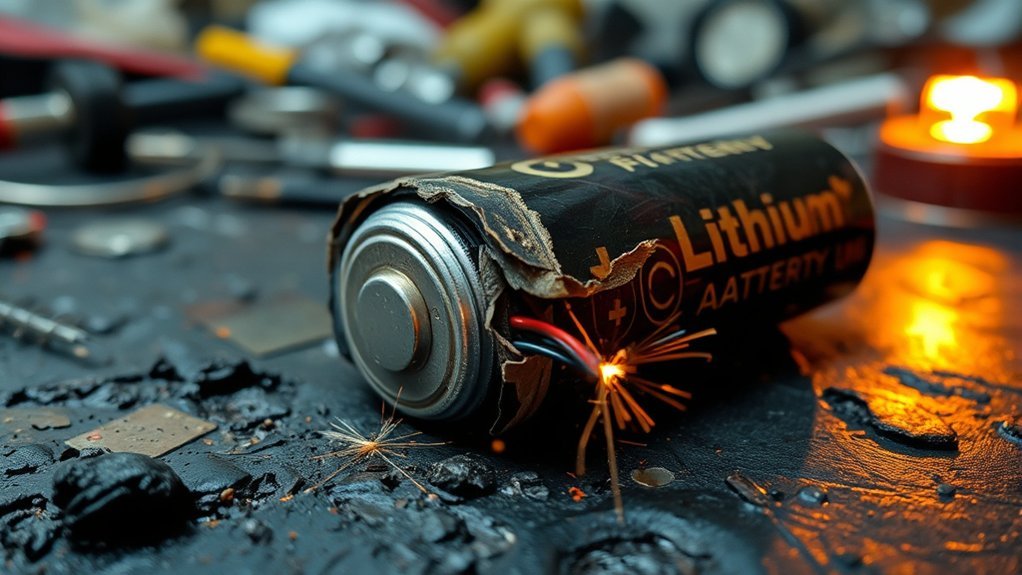
Many short circuits occur due to physical damage, manufacturing defects, or external conductive objects bridging the terminals. These issues compromise the integrity of the battery chemistry, leading to internal bridging or thermal runaway.
Key causes include:
- Physical Damage: Impact or puncture can break the separator, creating a direct connection between the anode and cathode.
- Manufacturing Defects: Faults during production, such as improper sealing or electrode misalignment, can result in internal short circuits.
- External Conductive Objects: Contact with metal tools, jewelry, or other conductive materials can bridge the terminals, especially if the battery is exposed or damaged.
Understanding these causes helps prevent hazardous failures related to lithium battery chemistry and manufacturing flaws.
Recognizing the Signs of a Short Circuit in Lithium Batteries
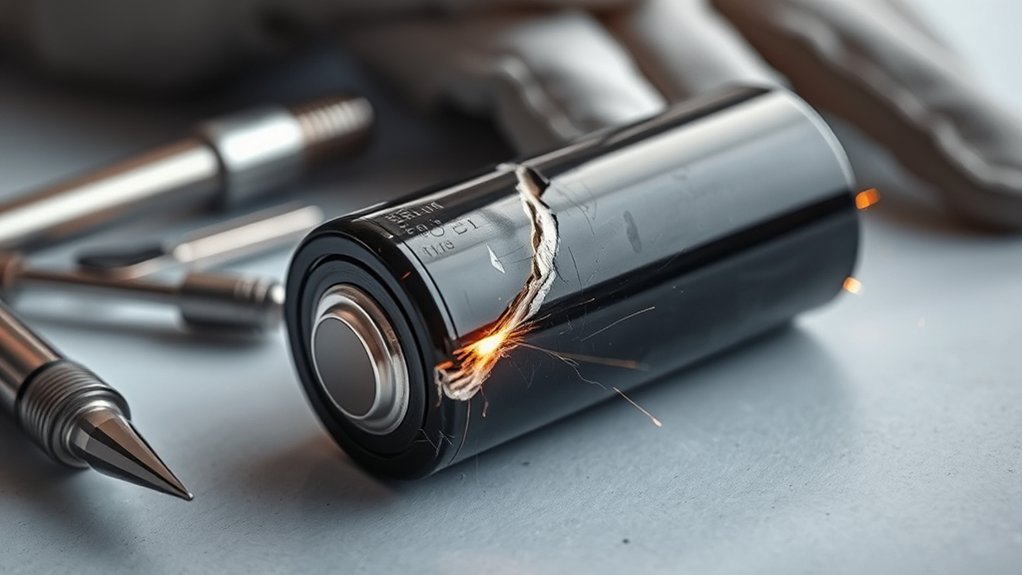
Recognizing the signs of a short circuit in lithium batteries is essential for preventing potential hazards. Indicators include rapid overheating, swelling, and a sudden decline in voltage. Smell of burnt material or visible discoloration signals internal damage, often caused by manufacturing standards lapses or contamination. During battery recycling, compromised cells may exhibit these signs prematurely, highlighting safety concerns. Consistent temperature rises during operation suggest internal shorting, which can lead to thermal runaway if ignored. Proper inspection and adherence to manufacturing standards help identify these symptoms early. Detecting these signs promptly enables safe handling and reduces risk of fire or explosion. Understanding these indicators is critical for maintaining safety across all stages, from manufacturing to disposal, ensuring that lithium batteries remain safe and reliable during their lifespan.
Best Practices for Handling Lithium Batteries Safely
To guarantee safety when handling lithium batteries, it is essential to follow established procedures that minimize risk and prevent accidents. Proper handling reduces the likelihood of short circuits, which can cause thermal runaway or fires. We recommend:
Following proper procedures minimizes risks and prevents accidents when handling lithium batteries.
- Always inspect batteries for damage or swelling before use, and avoid handling compromised units to prevent potential short circuits and environmental harm.
- Use designated containers for battery recycling, ensuring batteries are isolated from conductive materials to mitigate electrical hazards and reduce environmental impact.
- Follow manufacturer guidelines for charging and discharging to prevent overvoltage or deep discharge, which can compromise safety and complicate recycling efforts.
Adhering to these practices promotes safe handling, mitigates environmental impact, and supports responsible disposal of lithium batteries.
How to Properly Store Lithium Batteries to Prevent Short Circuits
Proper storage of lithium batteries is crucial to prevent short circuits and guarantee safety. We recommend using designated, fire-resistant containers and storing batteries in environments that are cool and dry. Maintaining ideal storage conditions minimizes the risk of internal damage and accidental discharge.
Use Proper Storage Containers
Ensuring lithium batteries are stored in appropriate containers is essential for preventing short circuits. Proper storage minimizes the risk of accidental contact, thermal events, and environmental contamination.
Consider these key points:
- Use non-conductive, flame-retardant containers specifically designed for lithium batteries, reducing the risk of internal short circuits.
- Ensure containers are sealed and clearly labeled to prevent accidental mishandling, which can lead to environmental impact due to leaks or fires.
- Opt for containers that facilitate battery recycling, supporting environmental sustainability and reducing hazardous waste.
Proper storage not only safeguards against short circuits but also promotes responsible disposal, minimizing environmental impact and supporting safe recycling practices.
Keep Batteries in Cool, Dry Places
Have you considered how environmental conditions impact lithium battery safety? Storing batteries in cool, dry environments minimizes the risk of thermal instability and potential short circuits. Excess moisture can corrode internal components, increasing environmental impact during disposal and complicating battery recycling processes. Conversely, high temperatures accelerate chemical reactions, damaging the battery and risking safety hazards. To optimize storage, we recommend maintaining stable temperatures between 15°C and 25°C, and low humidity levels. Below is a table illustrating key environmental parameters:
| Condition | Recommended Range |
|---|---|
| Temperature | 15°C – 25°C |
| Humidity | Below 50% |
| Exposure to Sunlight | Avoid direct exposure |
| Storage Duration | Max 6 months |
| Ventilation | Adequate airflow |
Proper storage preserves battery integrity, reduces safety risks, and supports responsible battery recycling efforts.
Protecting Devices With Lithium Batteries From Short Circuit Risks
To effectively protect devices with lithium batteries from short circuit risks, it’s essential to implement extensive safety measures that detect and interrupt abnormal current flows promptly. Proper circuit protection prevents thermal runaway and reduces potential damage, supporting sustainable practices like battery recycling and minimizing environmental impact.
Consider these precautions:
- Incorporate advanced electronic circuit protectors, such as fuses and circuit breakers, to shut down power during faults.
- Use quality insulation and separation techniques to prevent accidental contact between conductive parts.
- Regularly inspect and maintain devices to identify potential short circuit conditions early, ensuring safe battery disposal and reducing environmental hazards associated with damaged batteries.
What to Do Immediately After a Lithium Battery Short Circuit?
When a lithium battery short circuit occurs, immediate action is critical to prevent further damage or safety hazards. First, disconnect the power source if possible, and move the battery to a safe, non-flammable area. Do not attempt to handle or extinguish thermal runaway with water; instead, use a Class D fire extinguisher or smother the fire with a fire-resistant material. Initiate emergency response protocols, such as alerting fire services if necessary. Once stabilized, assess whether the battery can be safely disposed of; if so, follow proper battery disposal procedures to prevent environmental contamination. Never leave a compromised lithium battery unattended, and guarantee that all safety measures are in place before attempting any further handling or disposal.
Tips for Choosing Safe Lithium Batteries and Accessories
When selecting lithium batteries and accessories, verifying proper certifications guarantees compliance with safety standards and reduces risk. Prioritizing genuine components mitigates the hazards associated with counterfeit products, while checking compatibility details guarantees proper fit and function. These steps are essential for maintaining safety and performance in lithium battery applications.
Verify Battery Certifications
How can we guarantee that lithium batteries are safe to use? Verifying battery certifications is essential for ensuring safety and compliance with industry standards. Reputable manufacturers adhere to certification standards like UN 38.3, IEC 62133, and UL 2054, which verify safe design and manufacturing processes. Additionally, certified batteries often include traceability for battery recycling, ensuring environmentally responsible disposal.
To evaluate a lithium battery’s safety, consider these points:
- Confirm certification marks from recognized authorities on the label.
- Check for compliance with international certification standards.
- Ensure documentation indicates adherence to proper battery recycling protocols.
Following these steps helps prevent short circuits and safety hazards, ensuring reliable performance and environmental responsibility.
Prioritize Genuine Accessories
To guarantee safety and reliability, we must prioritize using genuine accessories and batteries that are officially authorized by manufacturers. Genuine accessories undergo rigorous testing to meet safety standards, ensuring peak performance and reducing risk factors such as short circuits or overheating. Counterfeit prevention is critical; counterfeit products often lack essential safety features, increasing the likelihood of failure and potential hazards. When selecting lithium batteries and accessories, verify authenticity through official channels and avoid unverified sources. Using genuine components also ensures compatibility with devices, minimizing electrical faults. Prioritizing authentic accessories is a proactive step in mitigating short circuit risks and securing the safety and longevity of your lithium-powered devices. This approach maintains system integrity and supports safe operation under various conditions.
Check Compatibility Details
Ensuring compatibility between lithium batteries and devices is essential for safe operation. Proper compatibility depends on understanding battery chemistry and conducting compatibility testing before integration. Here are key steps:
- Verify battery chemistry specifications (e.g., Li-ion, LiPo) to match device requirements, preventing voltage or current mismatches.
- Confirm physical dimensions and connector types align precisely to avoid improper connections.
- Review manufacturer datasheets and perform compatibility testing, ensuring the battery’s voltage, capacity, and discharge rate meet device specifications.
The Role of Battery Management Systems in Preventing Short Circuits
Battery management systems (BMS) play an essential role in preventing short circuits by continuously monitoring and controlling the electrical parameters within lithium batteries. They analyze critical data such as cell voltage, current, and temperature to guarantee safe operation. By managing battery chemistry, the BMS prevents conditions that could lead to internal shorts or thermal runaway. Voltage regulation is a core function, maintaining each cell within safe voltage thresholds to avoid overvoltage or undervoltage scenarios that could cause short circuits. The BMS employs algorithms that detect abnormal fluctuations, disconnecting the battery when necessary. This precise control safeguards both the battery’s integrity and user safety, making the BMS an indispensable component in lithium battery systems for preventing short circuits effectively.
Long-Term Safety Tips for Maintaining Lithium Battery Health
Maintaining lithium battery health over the long term requires consistent attention to proper handling and storage practices. Electrode degradation can accelerate if batteries are exposed to high temperatures or deep discharges, increasing the risk of thermal runaway. To minimize these risks:
Proper handling and storage are essential to prevent electrode degradation and ensure long-term lithium battery safety.
- Store batteries in a cool, dry environment, ideally between 20-25°C, to prevent electrode degradation and thermal stress.
- Avoid full discharges; keep charge levels between 30-80% to preserve electrode integrity and reduce degradation.
- Regularly monitor battery health using compatible systems to detect early signs of imbalance that could lead to thermal runaway.
Implementing these measures helps maintain ideal performance, prolongs lifespan, and reduces safety risks associated with long-term lithium battery use.
Frequently Asked Questions
Can a Lithium Battery Short Circuit Cause a Fire?
Yes, a lithium battery short circuit can cause a fire. We recommend proper battery recycling practices and having effective fire suppression systems in place, as these measures help prevent and control potential lithium battery fire hazards safely.
Are There Specific Warning Signs Before a Battery Short Circuit Occurs?
We observe warning signs like swelling, unusual heat, or leakage during battery manufacturing or user handling, indicating potential short circuits. Recognizing these signs early helps prevent fires by prompting immediate safety protocols and proper disposal.
How Often Should I Inspect My Lithium Batteries for Potential Issues?
We inspect our lithium batteries monthly, focusing on storage conditions and charging habits, checking for swelling, corrosion, or discoloration, ensuring ideal performance and safety. Regular inspections help prevent potential short circuits and extend battery lifespan.
Are Certain Brands More Prone to Short Circuits?
Some brands with lower reliability may have higher risks of short circuits due to manufacturing defects, so we recommend researching brand quality, checking reviews, and choosing reputable manufacturers to minimize potential safety issues and guarantee consistent performance.
What Legal Regulations Govern Lithium Battery Safety Standards?
Like a finely tuned machine, lithium battery safety relies on strict legal regulations, including international standards and manufacturing protocols. These govern safety, emphasizing proper battery recycling practices and adherence to industry standards to minimize short circuit risks effectively.
Conclusion
By treating lithium batteries with respect and vigilance, we act as guardians of their integrity—protecting the delicate balance within, much like a captain safeguarding a vessel’s core. Proper handling, vigilant monitoring, and adherence to safety protocols form our compass, guiding us safely through the potential storms of short circuits. When we prioritize these practices, we guarantee the battery’s energy remains a reliable force, empowering us without risking the chaos of thermal runaway.