As e-bike users, we recognize that lithium batteries are critical yet potentially hazardous components. Understanding the safety protocols for handling, charging, and storing these batteries is essential to prevent risks like thermal runaway or environmental harm. Proper management not only extends battery life but also safeguards users and surroundings. To guarantee responsible usage, we need to explore thorough safety measures and best practices that minimize hazards and promote longevity—topics that demand our careful attention.
Key Takeaways
- Store batteries in cool, dry places away from flammable materials and monitor for signs of damage or swelling.
- Use manufacturer-approved chargers and avoid overcharging to prevent thermal runaway risks.
- Handle batteries carefully during transportation, storage, and disposal to minimize damage and environmental hazards.
- Regularly inspect batteries for damage, leaks, or corrosion, and replace or recycle damaged units promptly.
- Follow safety protocols during charging, use protective gear if needed, and have emergency procedures for fires or overheating.
Understanding Lithium Battery Safety Risks for E-Bikes
While lithium batteries offer significant benefits for e-bikes, they also pose specific safety risks that users must understand. These batteries contain volatile electrolytes, which can lead to thermal runaway if damaged or improperly charged. Additionally, the environmental impact of lithium mining raises concerns about sustainability and safety in extraction processes, emphasizing the importance of responsible practices like battery recycling. Improper disposal or recycling of lithium batteries can result in fire hazards, chemical leaks, and environmental contamination. Understanding these risks underscores the need for proper handling, storage, and disposal protocols. As consumers, we should advocate for sustainable lithium mining practices and guarantee batteries are recycled responsibly to minimize safety and environmental hazards associated with e-bike technology.
How to Properly Handle and Store Your E-Bike Lithium Battery
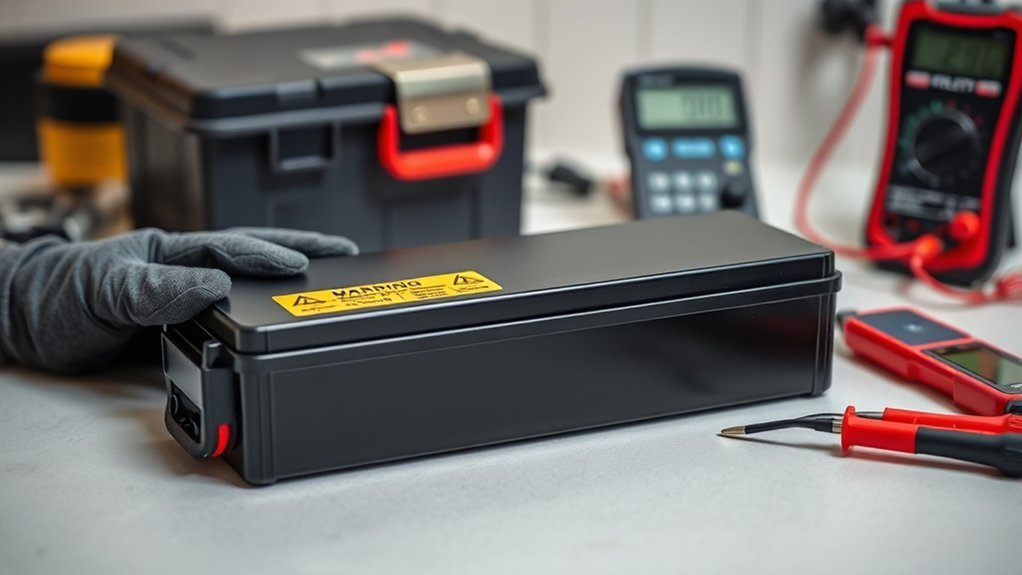
Proper handling and storage of e-bike lithium batteries are critical to maintaining safety and prolonging their lifespan. Safe handling minimizes risks of thermal runaway and damage, while proper storage guarantees battery integrity over time. Store batteries in a cool, dry environment away from flammable materials and direct sunlight to prevent degradation. Regularly inspect for damage or swelling, and avoid puncturing or exposing them to moisture. When not in use, consider battery recycling options to prevent environmental harm. Maintaining an emergency preparedness plan includes having accessible fire extinguishers rated for electrical fires. Additionally, storing batteries separately from other electronic devices and ensuring proper disposal methods adhere to safety standards. These practices are essential for minimizing hazards and supporting sustainable battery management.
Best Practices for Safe Charging of Your E-Bike Battery
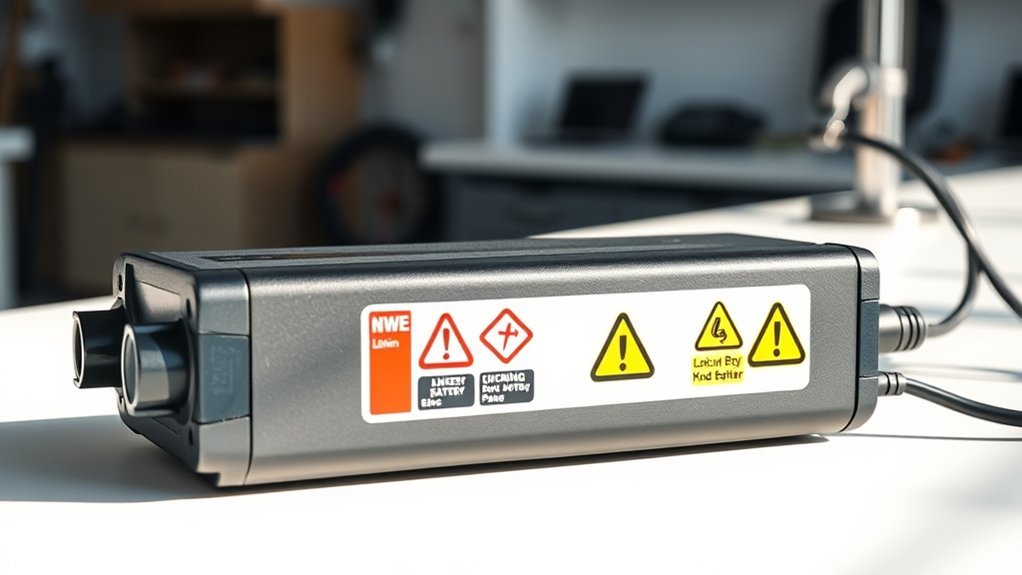
To guarantee the longevity and safety of your e-bike battery, following best practices during charging is vital. We recommend charging in a well-ventilated area away from flammable materials and using manufacturer-approved chargers to prevent overcharging or overheating. Monitoring charging stations for safety hazards, such as exposed wiring or damage, minimizes risk. Proper management of battery recycling is also essential; avoid discarding damaged batteries improperly to prevent environmental contamination or fire hazards. Implementing controlled charging routines, including avoiding full charges beyond manufacturer specifications, prolongs battery life. Regularly inspecting connections and ensuring the charging station is compliant with safety standards reduces potential failures. Adhering to these practices ensures safe, efficient charging while protecting both user and environmental safety.
Recognizing Signs of Battery Damage or Malfunction
Detecting signs of battery damage or malfunction is crucial for ensuring safety and peak e-bike performance. Early identification prevents potential hazards and maximizes lifespan, emphasizing responsible battery recycling and adherence to manufacturer warranties. Common indicators include:
Early detection of battery issues ensures safety, longevity, and responsible recycling for optimal e-bike performance.
- Swelling or bulging of the battery case, suggesting internal damage or overheating.
- Unusual heat generation during use or charging, signaling potential thermal runaway.
- Significant decreases in battery capacity or sudden power loss, indicating deterioration.
- Leaking electrolyte or corrosion around terminals, which can lead to short circuits.
Recognition of these signs allows for prompt action, such as consulting the manufacturer or initiating proper battery recycling procedures. Regular inspection and understanding these indicators are essential for safe handling and maintaining warranty coverage, ultimately safeguarding both user and environment.
Tips for Prolonging Your Lithium Battery’s Lifespan
Maximizing the lifespan of your lithium battery requires a strategic approach rooted in understanding its operational limitations and ideal usage practices. Proper management reduces capacity fade and delays replacement, which supports sustainable practices like battery recycling and minimizes environmental impact. To optimize lifespan, avoid deep discharges and high-voltage states, and store batteries at partial charge in cool environments. Regularly calibrate the battery indicator and use manufacturer-recommended chargers. Additionally, consider the following factors:
| Usage Practice | Effect on Battery Life | Environmental Impact |
|---|---|---|
| Avoid Deep Discharges | Preserves capacity and prolongs cycle life | Reduces waste and recycling needs |
| Store in Cool Conditions | Maintains chemical stability, delays aging | Lowers energy consumption for climate control |
| Use Proper Chargers | Prevents overvoltage damage, extends lifespan | Minimizes hazardous waste |
| Regular Calibration | Ensures accurate capacity readings | Promotes efficient use |
| Timely Battery Recycling | Reduces environmental pollution | Supports sustainability |
What to Do in Case of a Battery Overheat or Fire?
When a lithium battery overheats or catches fire, immediate and correct action is critical to prevent escalation and guarantee safety. Prompt response minimizes risks, including thermal runaway and toxic exposure. First, evacuate the area and alert emergency services. Use a Class D fire extinguisher designed for electrical fires if safe to do so; water should be avoided, as it can worsen the fire. Once the fire is controlled, assure proper disposal through battery recycling protocols, preventing environmental contamination. Finally, report the incident to manufacturers and authorities to improve emergency response strategies and safety standards. Understanding these steps emphasizes that safety isn’t just reactive—it involves proper disposal and awareness of battery recycling processes to prevent future hazards.
Choosing the Right Charger and Accessories for Safety
Selecting compatible charging devices and accessories is vital to prevent electrical hazards and guarantee ideal battery performance. We must also consider the charging environment to minimize risks related to moisture, heat, and physical damage. Confirming the use of high-quality accessories further reduces the likelihood of malfunctions and safety incidents.
Compatible Charging Devices
How can we guarantee safe and efficient charging of e-bike lithium batteries? Selecting compatible charging devices is essential, as it minimizes risks like overheating and electrical faults. Proper chargers should match the battery’s voltage and current specifications, ensuring ideal performance. Additionally, using certified chargers promotes safety, especially when considering battery recycling protocols that involve proper disposal and reuse of components. Regular insulation testing of charging cables prevents short circuits, reducing fire hazards. Compatibility also extends to accessories that monitor charge cycles and prevent overcharging. Overall, prioritizing device compatibility, adhering to manufacturer guidelines, and employing rigorous safety checks are critical for long-term battery health and safety during charging.
Proper Charging Environment
Ensuring a proper charging environment involves more than just choosing a compatible charger; it requires careful consideration of the surroundings and accessories to maintain safety. A well-ventilated, dry, and temperature-controlled space minimizes risks of overheating and fire hazards. Using certified chargers designed for specific lithium batteries ensures charging station safety and prevents overcurrent issues. Additionally, selecting accessories that adhere to safety standards reduces potential damage. Proper disposal through battery recycling programs prevents environmental hazards and potential safety risks associated with improper battery handling. Regularly inspecting charging areas for damage or deterioration enhances safety protocols. By maintaining a controlled environment and adhering to safety guidelines, we minimize the risk of accidents and ensure the longevity of the battery and charger system.
Quality Accessories Selection
Choosing the appropriate charger and accessories is essential for maintaining lithium battery safety and performance. Proper selection minimizes risks like overcharging, overheating, and potential fire hazards. When selecting chargers, verify compatibility with your e-bike battery’s specifications, and confirm they meet safety standards to prevent lithium battery myths from leading to unsafe practices. Consider accessories that facilitate battery recycling, promoting eco-friendly disposal, and reducing environmental impact.
Key points include:
- Use certified chargers designed for lithium batteries
- Avoid cheap, generic accessories that lack safety features
- Incorporate indicators for proper charging completion
- Prioritize accessories that support battery recycling efforts
A careful approach to accessory selection enhances safety, counters misconceptions about lithium batteries, and guarantees optimal longevity and performance.
Safe Transportation and Disposal of E-Bike Lithium Batteries
Transporting and disposing of E-bike lithium batteries require strict adherence to safety protocols to prevent hazards such as thermal runaway, fires, or chemical leaks. During transit, batteries should be transported in fire-resistant containers, with proper insulation to avoid short circuits. Secure packaging reduces the risk of damage, which could lead to leaks or thermal events. For disposal, we recommend battery recycling through certified facilities to minimize environmental impact and recover valuable materials. Implementing theft protection measures, like secure storage and tamper-proof containers, is imperative, especially during transport and disposal. Proper handling ensures safety for personnel and the environment while complying with regulations. Ultimately, diligent safety practices in transportation and disposal safeguard against potential hazards and support sustainable battery management.
Common Mistakes That Can Compromise Battery Safety
Many common mistakes, such as overcharging batteries, improper storage, and ignoring manufacturer instructions, can considerably compromise safety. These errors increase the risk of thermal runaway, damage, or reduced battery lifespan. Addressing these issues with proper procedures is essential for maintaining battery integrity and safety.
Overcharging Risks Increase
Overcharging lithium batteries considerably increases the risk of thermal runaway, which can lead to fires or explosions. Excessive charging causes internal temperature spikes and accelerates degradation, compromising safety. To mitigate this, users should avoid:
- Using chargers that exceed manufacturer specifications
- Leaving batteries plugged in beyond full charge
- Ignoring manufacturer safety features like automatic shutoff
- Disposing of damaged batteries improperly, hindering safe battery recycling
Overcharging also diminishes battery lifespan, prompting a shift toward lithium alternatives and sustainable battery recycling practices. Proper charging protocols are essential to prevent safety hazards and extend battery life. Awareness of these risks encourages informed choices, ensuring safer e-bike operation and environmental responsibility.
Improper Storage Dangers
Improper storage conditions can considerably compromise lithium battery safety, increasing the risk of thermal events and damage over time. Storing batteries in extreme temperatures, high humidity, or prolonged disuse can lead to capacity loss, swelling, or even fires. It’s essential to store batteries in a cool, dry place, ideally at a partial charge (around 40-60%). Poor storage also complicates battery recycling efforts and increases the risk of counterfeit batteries infiltrating the supply chain. Counterfeit batteries often lack proper safety features, posing severe hazards. To illustrate critical factors, consider the following:
| Storage Condition | Risks | Recommendations |
|---|---|---|
| High temperature | Thermal runaway | Store in cool, ventilated area |
| Moisture exposure | Corrosion, short circuits | Keep in dry environment |
| Extended disuse | Capacity fade, aging | Charge periodically |
Proper storage is essential for safety and longevity.
Ignoring Manufacturer Guidelines
Ignoring manufacturer guidelines can profoundly undermine lithium battery safety, as these instructions are based on rigorous testing and safety standards. Disregarding recommended procedures increases risks such as thermal runaway, fire, or damage to the battery’s integrity. It can also hinder compliance with safety regulations, leading to issues like missed manufacturer recalls or improper battery recycling.
- Failing to follow charging and discharging instructions can cause overheating.
- Overlooking recall notices risks continued use of compromised batteries.
- Using incompatible chargers may damage internal components.
- Neglecting proper disposal or recycling procedures can lead to environmental hazards and safety violations.
Adhering to manufacturer guidelines ensures safe operation, proper maintenance, and responsible disposal, ultimately protecting users and the environment from preventable hazards.
Building a Personal Safety Routine for E-Bike Battery Maintenance
How can we establish a consistent safety routine to guarantee the longevity and safe operation of our e-bike lithium batteries? First, routine inspections are essential—checking for swelling, corrosion, or damage, and promptly addressing issues. Proper storage practices, such as avoiding extreme temperatures and ensuring dry conditions, mitigate degradation risks. Integrating emergency preparedness, like knowing how to handle a thermal runaway or battery fire, enhances safety. Additionally, planning for battery recycling at end-of-life ensures environmental safety and compliance. Developing a systematic approach that combines regular maintenance, safe handling, and disposal procedures minimizes hazards and prolongs battery life. This proactive routine enables early problem detection, reduces safety risks, and supports responsible battery lifecycle management.
Frequently Asked Questions
How Often Should I Have My E-Bike Battery Professionally Inspected?
We recommend inspecting your e-bike battery professionally every 3 to 6 months, focusing on battery maintenance and charging guidelines. Regular checks help identify potential issues early, ensuring safety, longevity, and best performance of your lithium battery system.
Are There Specific Weather Conditions to Avoid When Using My E-Bike?
Coincidentally, we find that avoiding extreme weather hazards like heavy rain, snow, or excessive heat is vital, as they compromise lithium battery safety. Proper storage precautions in stable environments are necessary to prevent damage and guarantee peak e-bike performance.
Can I Carry Spare Batteries on a Plane or Train Legally?
We can carry spare batteries on planes or trains, but must follow airline regulations, including proper battery packaging, to prevent hazards. Always check specific airline policies and guarantee batteries are in carry-on luggage, not checked baggage.
What Are the Signs That My Battery Needs Replacement Before Failure?
We notice our battery needs replacement when its lifespan shortens noticeably, and charging indicators flicker or show inconsistent levels, signaling internal degradation. These signs help us prevent failure and maintain peak performance through timely replacements.
How Do I Identify Counterfeit or Unsafe Lithium Batteries?
We identify counterfeit batteries through inconsistent or missing battery markings, suspicious packaging, and poor build quality, which are red flags in counterfeit detection. Always verify markings against manufacturer data and purchase from reputable sources.
Conclusion
By adhering to these safety principles, we can navigate the complex landscape of lithium battery management with confidence. Maintaining vigilant inspection routines, proper handling, and responsible disposal guarantees not only the longevity of our batteries but also mitigates potential risks. Embracing a proactive approach transforms safety from a mere checklist into a strategic practice, allowing us to enjoy the benefits of our e-bikes while safeguarding our environment and personal well-being.