Imagine a sleek electric scooter silently humming beneath you, its lithium battery quietly powering your ride. Yet, beneath this quiet efficiency lies a complex system that demands careful management to prevent hazards. Proper handling, charging, and storage are critical to safety, and neglect can lead to dangerous failures. Understanding these safety measures is essential to protect yourself and prolong your battery’s life—questions about how to do so properly are just ahead.
Key Takeaways
- Always use manufacturer-approved chargers and avoid overcharging to prevent thermal runaway and capacity loss.
- Handle batteries carefully, avoiding punctures, impacts, or exposure to moisture to reduce fire and explosion risks.
- Store batteries in a cool, dry environment at around 50% charge for safety and longevity during extended periods.
- Regularly inspect for swelling, corrosion, or damage, and replace damaged batteries promptly.
- Dispose of lithium batteries at certified recycling facilities following local regulations to prevent environmental hazards.
Understanding Lithium Battery Basics for Electric Scooters
Although lithium batteries are widely used in electric scooters due to their high energy density and lightweight design, understanding their fundamental chemistry and operation is essential for safe handling. Lithium battery chemistry involves lithium ions moving between the anode and cathode during charge and discharge, which determines capacity and lifespan. Proper management of charging cycles is critical; each cycle slightly degrades the battery’s capacity, influencing longevity and safety. Repeated, shallow cycles extend battery life, while deep discharges or overcharging accelerate deterioration. Recognizing these principles helps users optimize performance and prevent hazards. Ensuring correct charging practices, understanding the chemistry behind the cells, and monitoring cycle counts are crucial steps in maintaining safe, efficient scooter operation. This foundational knowledge underpins responsible battery use and safety.
Recognizing the Risks of Improper Battery Handling
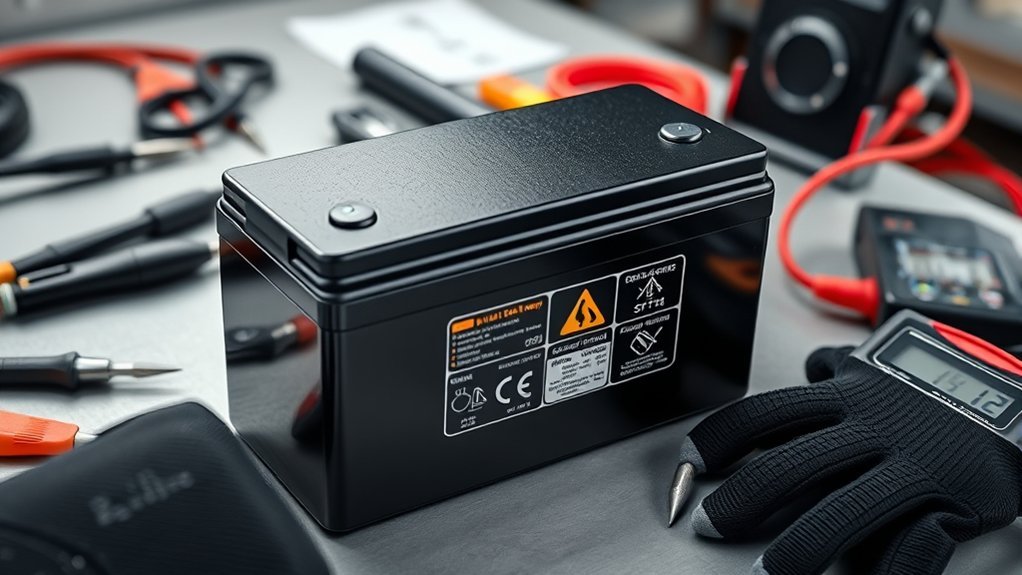
Handling lithium batteries improperly considerably increases the risk of hazards such as fires, explosions, and chemical leaks. Mishandling can accelerate battery degradation, reducing overall battery lifespan and increasing failure likelihood. Recognizing these risks is essential for safe operation.
| Handling Precaution | Associated Risk |
|---|---|
| Puncturing cells | Thermal runaway, fire |
| Exposure to moisture | Short circuits, corrosion |
| Using incompatible chargers | Overcharging, explosion |
| Dropping or impact | Internal damage, leaks |
| Improper storage | Capacity loss, chemical leaks |
Understanding these hazards emphasizes the importance of strict handling precautions. Safe practices mitigate the risk of catastrophic failures and prolong battery lifespan, ensuring reliable performance and safety during scooter operation.
How to Properly Charge Your Scooter Lithium Battery?
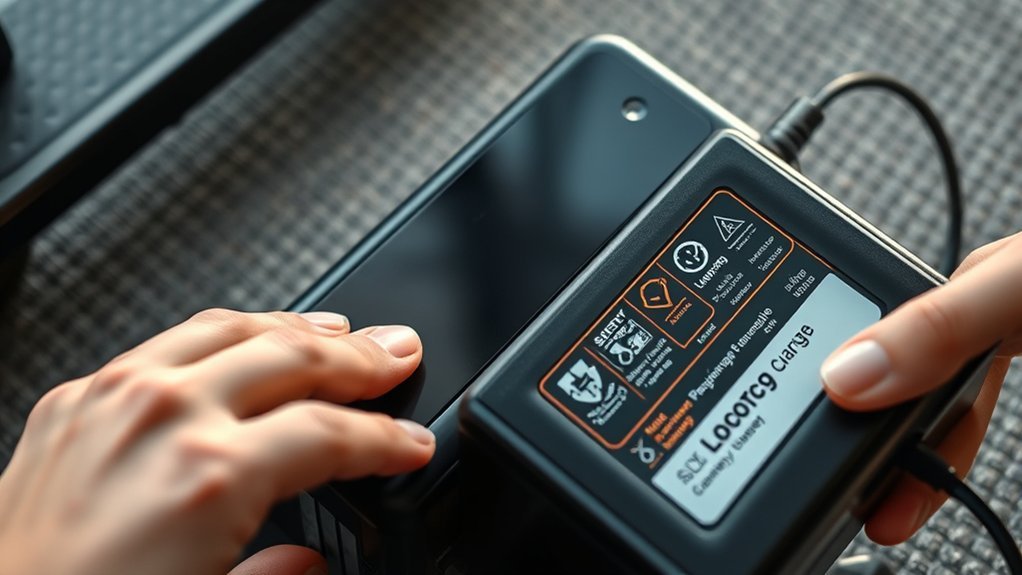
To guarantee safe and efficient charging, we must always use the charger specified by the manufacturer. Avoid overcharging by disconnecting the battery once fully charged, and charge in a cool, well-ventilated environment to prevent thermal issues. Proper adherence to these protocols minimizes risks of damage and extends battery lifespan.
Use Correct Charger
How can we guarantee the safety and longevity of our scooter lithium batteries? Using the correct charger is essential. A compatible charger ensures ideal charging etiquette, preventing voltage spikes that could degrade the battery over time. Always verify the charger’s voltage and current specifications align with the manufacturer’s recommendations. Using an incompatible charger risks reducing battery lifespan and compromising safety.
| Charger Type | Key Considerations |
|---|---|
| Original Manufacturer | Ensures compatibility and safety |
| Certified Third-Party | Meets safety standards, reliable performance |
| Over-Voltage Chargers | Risk damaging the battery |
| Fast Chargers | Use only if specified; avoid rapid charging |
| Smart Chargers | Regulate charge cycle, extend lifespan |
Avoid Overcharging Battery
Properly managing the charging process is essential to prevent overcharging, which can notably impair lithium battery health. Overcharging occurs when the battery exceeds its designated capacity, risking thermal runaway and reducing overall lifespan. To maintain peak performance, monitor the state of charge closely and avoid leaving the battery plugged in beyond 100% charge. Over time, repeated overcharging accelerates the degradation of charging cycles, diminishing the battery’s effective capacity. Using chargers with automatic cutoff features helps prevent overvoltage, preserving the integrity of the lithium cells. Limiting charging to the manufacturer-recommended capacity ensures longevity, minimizes capacity fade, and extends the number of charge-discharge cycles your scooter’s battery can endure. Proper charging practices maximize battery lifespan and ensure safe, reliable operation.
Charge in Cool Environment
Charging your scooter’s lithium battery in a cool environment helps maintain ideal performance and prolongs its lifespan. Elevated battery temperature during charging can accelerate degradation and risk thermal runaway. To maximize battery health, always charge in a cool environment, ideally between 20°C and 25°C. Keep in mind that excessive heat increases battery temperature, which hampers chemical stability and reduces capacity over time.
| Environment | Battery Temperature | Charging Effectiveness |
|---|---|---|
| Cool | 20°C – 25°C | Prime |
| Warm | 25°C – 30°C | Slightly reduced |
| Hot | Above 30°C | Detrimental |
Maintaining a cool environment ensures safe, efficient charging, preserving battery longevity and safety.
Best Practices for Battery Storage and Maintenance
Effective storage and maintenance of scooter lithium batteries are vital to guarantee safety, prolong battery lifespan, and maximize performance. Proper practices help preserve battery capacity over time by minimizing exposure to extreme temperatures and avoiding deep discharges. Maintaining stable storage conditions—preferably in a cool, dry environment—reduces the risk of capacity loss. Additionally, controlling charging cycles is essential; frequent, partial charges are preferable to deep, full discharges, as they reduce stress on the battery. Regularly monitoring voltage levels and avoiding overcharging prevents capacity degradation. Ensuring batteries are stored at approximately 50% charge during extended periods minimizes deterioration. Adhering to these best practices ensures the longevity of the battery, maintains peak capacity, and supports safe, reliable scooter operation.
Identifying Signs of Battery Damage or Malfunction
Recognizing the early signs of battery damage or malfunction is crucial for guaranteeing safety and maintaining ideal scooter performance. Battery corrosion appears as white, powdery deposits around terminals, indicating potential deterioration of connections and increased resistance. Charging anomalies, such as inconsistent charging cycles, prolonged charging times, or failure to reach full capacity, often signal internal cell issues or degraded circuitry. These symptoms can lead to reduced battery efficiency, swelling, or even thermal runaway if unaddressed. Regular inspection of terminals for corrosion and monitoring charging behavior are essential preventive measures. Promptly addressing these signs minimizes safety risks, preserves battery lifespan, and ensures reliable scooter operation. Accurate detection of corrosion and charging irregularities safeguards both user safety and device integrity.
Safe Methods for Disposing and Recycling Lithium Batteries
Proper disposal and recycling of lithium batteries are essential to prevent environmental hazards and safety risks. We should follow established procedures and utilize certified recycling programs to guarantee responsible handling. Adhering to these methods helps minimize potential dangers and supports sustainable waste management practices.
Proper Disposal Procedures
When disposing of lithium batteries from scooters, it’s essential to follow established safety procedures to prevent environmental harm and personal injury. Proper disposal involves transporting used batteries to certified recycling facilities that specialize in battery recycling processes. These facilities safely neutralize hazardous components, reducing the environmental impact of improper disposal. Handling batteries with care minimizes risks of thermal runaway, leaks, or fires during transit. It’s critical to avoid trash disposal or incineration, as these methods release toxic chemicals into the environment. By prioritizing battery recycling, we help conserve valuable materials and mitigate the ecological footprint of lithium battery waste. Adhering to these procedures guarantees compliance with safety standards and supports sustainable waste management practices, safeguarding both public health and the environment.
Recycling Program Options
What are the most effective options for safely disposing of and recycling lithium batteries from scooters? The best approach involves leveraging certified recycling programs that utilize advanced recycling technology to recover valuable materials and prevent environmental contamination. These programs are typically supported by battery manufacturing companies and authorized waste management entities, ensuring compliance with safety standards. Recycling facilities disassemble batteries to extract lithium, cobalt, and other critical materials, reducing the need for new resource extraction. Partnering with such programs minimizes fire risks and hazardous waste exposure while promoting sustainable battery lifecycle management. It’s essential to follow manufacturer guidance and local regulations, directing used batteries to certified recyclers equipped with state-of-the-art recycling technology designed for lithium battery safety and efficiency.
Tips for Preventing Overheating and Fire Hazards
To minimize the risk of overheating and fire hazards, it’s essential to implement specific safety measures during both the operation and storage of scooter lithium batteries. Prioritize battery safety by avoiding exposure to extreme temperatures, which can accelerate thermal runaway. Use thermal management solutions like cooling systems when available, and never cover or obstruct ventilation pathways. Regularly inspect batteries for signs of damage, swelling, or corrosion, as these are indicators of potential overheating issues. Store batteries in a cool, dry environment, away from flammable materials, and keep them at recommended charge levels. Implementing these practices enhances overheating prevention, reduces fire risks, and guarantees safe, reliable scooter operation. Proper handling and storage are critical for maintaining lithium battery integrity and safety.
Choosing Compatible Chargers and Accessories
Selecting the right charger and accessories for scooter lithium batteries is crucial to guaranteeing safety and peak performance. Proper charging accessories, such as chargers designed specifically for lithium batteries, help prevent overcharging, overheating, and potential fire hazards. Compatibility checks are essential; always verify that chargers match the battery’s voltage and current specifications. Using incompatible chargers or accessories can cause voltage mismatches that damage the battery or compromise safety. Ensure connectors are secure and rated for lithium use to avoid short circuits. Additionally, consider chargers with built-in safety features like temperature regulation and automatic shutoff. Regularly inspecting charging accessories for wear or damage is essential to maintain safety standards. Precise compatibility and quality in charging accessories are fundamental to prolonging battery life and preventing safety risks.
What to Do in Case of a Battery Fire or Emergency?
In a battery fire or emergency, immediate evacuation and calling emergency services are critical. We should use a Class D or multipurpose fire extinguisher designed for lithium-ion fires, avoiding water, which can worsen the situation. Proper response minimizes risk and prevents escalation of the incident.
Evacuate and Call Emergency
When a lithium battery fire or emergency occurs, immediate action is critical to guarantee safety. We must prioritize emergency evacuation to assure everyone’s well-being and minimize exposure to toxic fumes or heat. Quickly alert others nearby and move to a safe distance, ideally at least 30 meters away, following established fire safety protocols. Call emergency services immediately to report the incident, providing clear details about the fire and location. Do not attempt to extinguish the fire without proper training or equipment, as this could worsen the situation. Maintaining a calm, systematic response helps contain the emergency efficiently. Remember, prompt evacuation and rapid communication with emergency responders are essential steps in managing lithium battery-related incidents safely.
Use Proper Fire Extinguisher
Although lithium battery fires can escalate rapidly, using the correct fire extinguisher is vital for controlling the blaze safely and effectively. The appropriate fire extinguisher types for lithium battery fires include Class D for metal fires and CO₂ or dry chemical extinguishers for other types. Proper safety training ensures you recognize these extinguisher types and operate them correctly.
In an emergency, follow these steps:
- Select the appropriate fire extinguisher based on the fire’s class.
- Aim at the base of the fire, maintaining a safe distance.
- Discharge in short bursts until the fire is extinguished or emergency services arrive.
Knowing the right extinguisher types and proper use can prevent escalation and protect lives.
Avoid Water on Fires
Why is it essential to avoid water when dealing with lithium battery fires? Water hazards are significant because lithium-ion batteries react violently with water, releasing flammable gases and intensifying the fire. Attempting to extinguish such fires with water can cause explosions or spread the blaze, compromising safety and hindering fire prevention efforts. Instead, we recommend using a Class D fire extinguisher designed for metal fires or smothering the fire with a fire blanket to cut off oxygen. If a fire occurs, evacuate the area immediately and contact emergency services. Understanding water hazards is imperative for effective response and minimizing damage. Proper fire prevention measures, including avoiding water contact, are essential for ensuring safety during lithium battery emergencies.
Extending Battery Life Through Regular Care and Usage Habits
Regular maintenance and mindful usage are essential for maximizing lithium battery lifespan. To achieve this, we recommend:
- Avoid deep discharges by charging before battery levels fall below 20%, reducing stress and prolonging capacity.
- Follow charging safety protocols, such as using manufacturer-approved chargers and avoiding overcharging, which prevents thermal degradation.
- Practice battery recycling at designated facilities to prevent environmental hazards and promote responsible disposal, ensuring sustainable lifecycle management.
Consistent care also involves monitoring for signs of capacity loss or thermal issues. Proper handling reduces the risk of fires and extends overall battery life. By adhering to these practices, we optimize performance, enhance safety, and contribute to environmental sustainability.
Frequently Asked Questions
Can I Upgrade My Scooter’s Lithium Battery for Better Performance?
Yes, we can upgrade your scooter’s lithium battery for better performance, but it’s vital to take into account battery lifespan and maintain charging safety protocols to prevent overheating, guarantee compatibility, and avoid damaging the scooter’s electrical system.
Are There Specific Environmental Conditions That Damage Lithium Batteries?
Environmental hazards like extreme heat, cold, and humidity act as silent enemies, damaging lithium batteries over time. Proper storage considerations—cool, dry places—are essential to preserve battery health and prevent capacity loss, ensuring peak performance and longevity.
How Do I Identify Counterfeit or Substandard Lithium Batteries?
We identify counterfeit lithium batteries by examining battery markings for inconsistencies, such as misspellings or incorrect logos, and performing counterfeit detection tests like verifying serial numbers and inspecting build quality to guarantee authenticity and safety compliance.
What Insurance Options Are Available for Battery-Related Damages?
We explore battery warranties and insurance claims, balancing protection and risk. While warranties cover manufacturing defects, insurance options for damages often depend on policy specifics, offering technical safeguards against unpredictable failures or incidents involving lithium batteries.
Can I Customize or Modify My Scooter’s Lithium Battery System?
We advise against customizing or modifying your scooter’s lithium battery system due to safety risks and potential voided warranties. Proper battery recycling and disposal are essential if modifications are attempted, ensuring environmental safety and compliance with regulations.
Conclusion
By respecting the delicate balance of lithium chemistry, we become guardians of safety and longevity. Proper handling, vigilant monitoring, and responsible disposal are the keys to preventing disasters, much like tending to a fragile flame that sustains us. When we follow these guidelines, we guarantee our journey remains smooth and secure, illuminating the path toward sustainable mobility. In safeguarding our batteries, we safeguard ourselves, forging a future where technology and safety advance hand in hand.