Imagine choosing a vehicle engine that balances speed, efficiency, and safety—each option offers different strengths. Similarly, selecting between LiFePO4 and AGM batteries requires careful analysis of chemistry, performance, and longevity. While one might excel in high-demand applications, the other could be more suited for budget-conscious needs. To make an informed choice, it’s essential to understand how these technologies compare across critical factors—an evaluation that can substantially impact both short-term costs and long-term value.
Key Takeaways
- Chemistry & Safety: LiFePO4 offers better thermal stability and is non-flammable, while AGM uses sulfuric acid, posing spill risks.
- Lifespan & Cost: LiFePO4 has a longer cycle life (over 2,000 cycles) and higher initial cost, reducing long-term expenses compared to AGM.
- Performance & Temperature: LiFePO4 performs well in high temperatures; AGM is better suited for cold climates but degrades faster in heat.
- Maintenance & Recycling: AGM is maintenance-free and easier to recycle due to sealed design; LiFePO4 requires specialized chargers but offers eco-friendly longevity.
- Application Suitability: LiFePO4 is ideal for renewable energy and EVs due to weight and size advantages; AGM is more budget-friendly upfront and suitable for short-term needs.
How Do LiFePO4 and AGM Batteries Differ in Chemistry and Design?
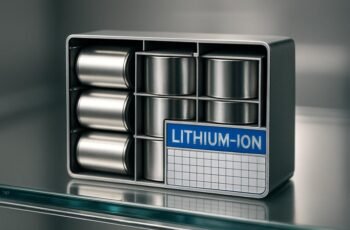
Although both LiFePO4 and AGM batteries serve as reliable energy storage solutions, they differ markedly in their chemistry and design. LiFePO4 batteries utilize a lithium iron phosphate electrolyte, which provides a stable, non-flammable electrolyte composition, enhancing safety and longevity. Their cell architecture typically features prismatic or cylindrical cells with a layered structure, optimizing thermal management and energy density. In contrast, AGM batteries employ a glass mat separator soaked in sulfuric acid electrolyte, creating a sealed, maintenance-free design. Their cell architecture involves stacked plates with absorbed glass mats to immobilize the electrolyte, which minimizes spillage and reduces internal resistance. These fundamental differences in electrolyte composition and cell architecture considerably influence performance, safety, and application suitability.
Which Applications Are Best Suited for LiFePO4 Batteries?
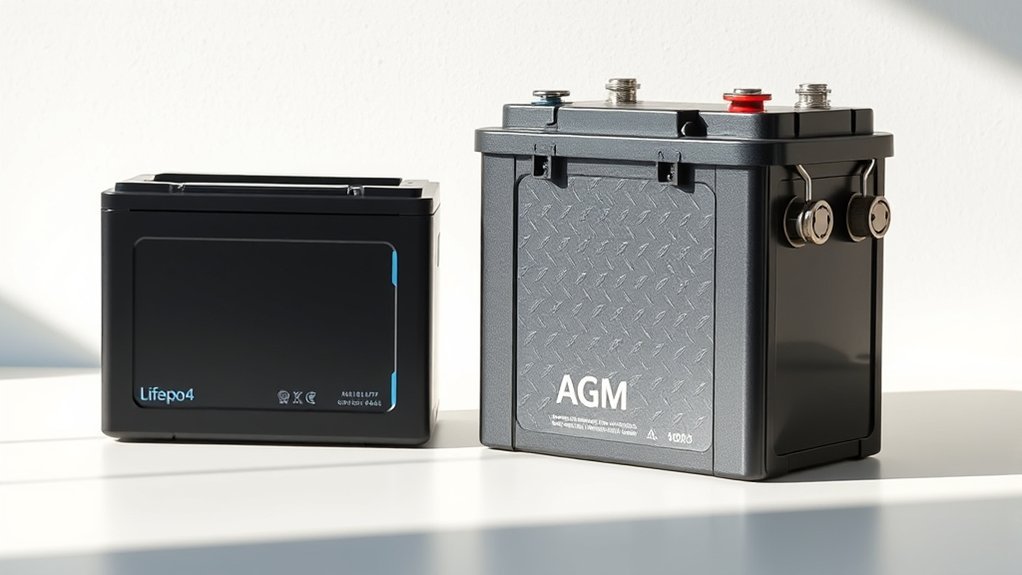
LiFePO4 batteries excel in applications requiring high safety, longevity, and stable performance, making them ideal for renewable energy storage, electric vehicles, and off-grid systems. Their fast charge and discharge capabilities, combined with thermal stability, support reliable power delivery in these demanding environments. By analyzing specific application needs, we can better understand where LiFePO4 batteries provide the most strategic advantages.
Renewable Energy Storage
Renewable energy storage presents a critical application area where LiFePO4 batteries excel due to their high thermal stability, long cycle life, and safety profile. These attributes make them ideal for large-scale solar and wind energy systems, ensuring reliable, long-term storage. Additionally, their manufacturing processes are optimized for sustainability, with advancements in battery recycling that minimize environmental impact. The stability of LiFePO4 chemistry reduces risks during charge and discharge cycles, which is essential for grid stability. Furthermore, their durability supports extended lifespan, decreasing replacement frequency and overall lifecycle costs. As renewable energy integration grows, LiFePO4 batteries provide a resilient, eco-friendly solution that aligns with sustainable energy goals, emphasizing the importance of efficient manufacturing and recycling methods to support widespread adoption.
Electric Vehicle Power
What makes LiFePO4 batteries particularly well-suited for electric vehicle applications is their high thermal stability and long cycle life, which enhance safety and durability under demanding conditions. Their consistent discharge profile ensures reliable power delivery for EV traction systems. Additionally, their relatively lower environmental impact, due to safer materials and easier battery recycling processes, aligns with eco-conscious manufacturing. The extended lifespan reduces frequency of replacement, minimizing waste and resource consumption. Moreover, LiFePO4’s stable chemistry reduces risks of thermal runaway, making them safer for vehicle integration. Overall, their combination of safety, longevity, and environmental benefits makes LiFePO4 batteries ideal for electric vehicles, especially as sustainable transportation solutions gain prominence.
Off-Grid Applications
The inherent safety, long cycle life, and stable chemistry of LiFePO4 batteries make them particularly well-suited for off-grid energy storage applications. Their robust design minimizes thermal runaway risks, which is critical for remote installations. In off-grid systems, high energy efficiency is essential to maximize stored power and reduce operational costs. LiFePO4 batteries excel in environments where frequent cycling and deep discharges are common, thanks to their superior cycle life. Additionally, advancements in battery manufacturing have improved their performance consistency and longevity. These factors make LiFePO4 batteries ideal for renewable energy setups, such as solar and wind, where reliable, long-term energy storage directly impacts system viability. Overall, their technical stability and efficiency advantages position them as the preferred choice for off-grid power solutions.
What Are the Advantages of AGM Batteries for Everyday Use?
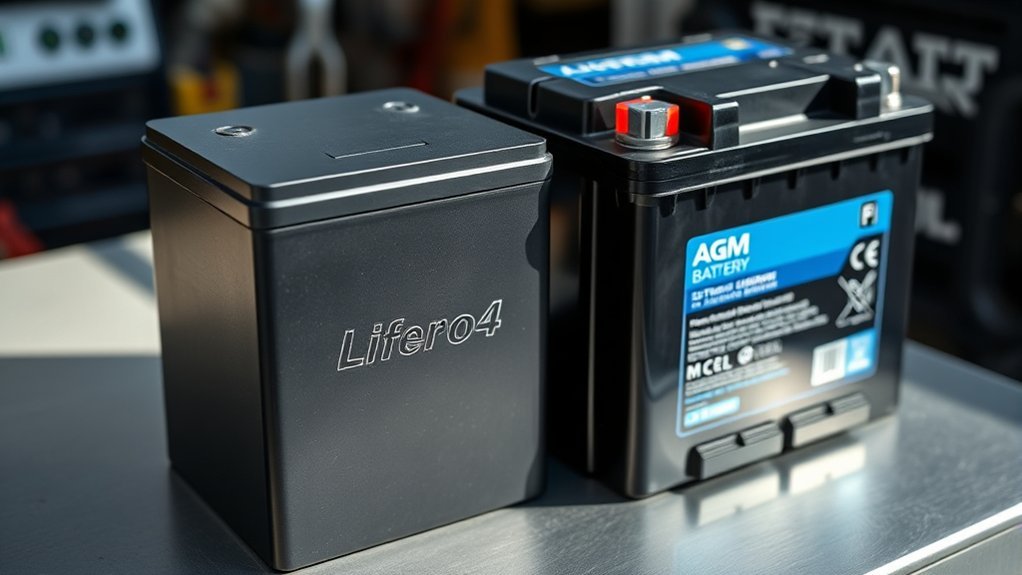
AGM (Absorbent Glass Mat) batteries offer several advantages that make them well-suited for everyday use. Their maintenance-free design and high power output ensure reliable performance with minimal upkeep. Additionally, AGM batteries feature advanced manufacturing processes that promote consistent quality and safety standards. They are also more resistant to vibration and shock, making them ideal for varied environments. From an environmental perspective, AGM batteries are easier to recycle due to their sealed construction, supporting sustainable battery recycling efforts. Their robust design often results in longer cycle life, reducing replacement frequency. Moreover, their quick recharge capability enhances usability for daily applications, ensuring minimal downtime. These attributes collectively make AGM batteries a practical and efficient choice for routine energy needs.
How Do LiFePO4 and AGM Batteries Compare in Lifespan and Durability?
When comparing LiFePO4 and AGM batteries, cycle life and resistance to degradation are critical factors influencing durability. LiFePO4 batteries typically offer a higher number of charge cycles before capacity loss, indicating greater longevity. Conversely, AGM batteries tend to degrade faster under repeated use, impacting their overall lifespan and reliability.
Battery Cycle Life
While both LiFePO4 and AGM batteries are popular choices for various applications, their cycle life and durability differ considerably. LiFePO4 batteries typically offer a higher cycle life, often exceeding 2,000 cycles at 80% depth of discharge, which preserves battery capacity over time. AGM batteries generally provide around 500-1,000 cycles before significant capacity loss. This difference impacts long-term environmental impact, as LiFePO4 batteries produce less waste and require fewer replacements. Key factors include:
- Cycle stability directly influences overall lifespan and replacement frequency.
- Battery capacity retention over multiple cycles determines usability.
- Environmental impact is reduced with longer-lasting batteries.
- Durability under repeated charge/discharge cycles affects operational reliability.
Understanding these distinctions helps optimize lifespan and sustainability for various applications.
Resistance to Degradation
Understanding how LiFePO4 and AGM batteries resist degradation is essential for evaluating their long-term durability. LiFePO4 batteries tend to exhibit superior resistance to degradation due to their stable chemistry and robust battery manufacturing processes, which minimize capacity loss over time. In contrast, AGM batteries often suffer from faster capacity decline, especially under high temperatures or repeated cycling, due to increased internal resistance and electrolyte evaporation. The environmental impact of their degradation also differs; LiFePO4 batteries produce fewer harmful byproducts during operation and disposal, reflecting more sustainable battery manufacturing practices. Overall, LiFePO4 batteries generally demonstrate greater durability and resistance to degradation, making them a more reliable choice for long-term applications. However, the initial manufacturing complexity influences their environmental footprint compared to AGM variants.
Which Battery Type Is More Cost-Effective Over Time?
Evaluating the long-term cost-effectiveness of Lifepo4 versus AGM batteries requires analyzing their initial investment, lifespan, and maintenance costs. Lifepo4 batteries typically have a higher upfront cost but offer extended cycle life, reducing replacement frequency. Their manufacturing processes are more environmentally friendly, facilitating easier battery recycling at end-of-life, which can offset initial costs. AGM batteries are less expensive initially but tend to degrade faster, leading to more frequent replacements and increased long-term expenses. Additionally, Lifepo4 batteries generally require less maintenance, further reducing lifecycle costs.
- Higher initial investment balanced by longer lifespan
- Manufacturing processes influence environmental impact and recycling
- Lower maintenance needs minimize ongoing expenses
- Recycling benefits impact total cost assessments over time
How Do Charging and Maintenance Requirements Vary Between LiFePO4 and AGM?
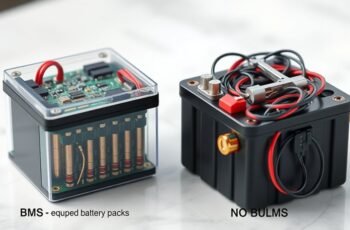
Charging and maintenance routines differ markedly between LiFePO4 and AGM batteries, impacting their overall usability and operational costs. LiFePO4 batteries require a specialized charger to optimize their charging profile, which helps maximize storage capacity and prolong lifespan. They typically have a longer cycle life, reducing the frequency of replacement and facilitating more efficient battery recycling. AGM batteries, on the other hand, are more tolerant of varied charging voltages but demand regular upkeep such as checking electrolyte levels and ensuring proper charge levels. This maintenance ensures consistent performance and prevents capacity loss. While AGM batteries are easier to service, they tend to have a shorter lifespan, affecting long-term cost-effectiveness. Overall, understanding these differences helps optimize charging practices and maintenance schedules for each battery type.
What Are the Safety Considerations for LiFePO4 and AGM Batteries?
LiFePO4 and AGM batteries each have distinct safety considerations that users must understand to prevent hazards and guarantee reliable operation. LiFePO4 batteries are thermally stable, reducing risks of thermal runaway, but require proper handling during manufacturing safety procedures to prevent internal damage. AGM batteries, containing sulfuric acid, pose chemical spill hazards and require rigorous sealing and maintenance protocols. Both types demand attention to battery recycling protocols to mitigate environmental impact.
Understanding safety protocols for LiFePO4 and AGM batteries ensures reliable operation and environmental protection.
- Proper disposal and recycling to prevent environmental contamination
- Avoiding physical damage that could lead to internal short circuits
- Ensuring correct charging procedures to prevent overheating
- Maintaining manufacturing safety standards to reduce manufacturing defects
How Do Weight and Size Impact Your Choice of Battery?
Because weight and size directly influence the feasibility and efficiency of a battery in various applications, understanding their impact is essential when choosing between LiFePO4 and AGM batteries. LiFePO4 batteries tend to be lighter and more compact due to their manufacturing processes, which emphasize high energy density and optimized battery aesthetics. AGM batteries, with thicker plates and lead components, are generally heavier and bulkier, affecting installation flexibility. This size and weight difference impacts applications like RVs or solar systems, where space is limited. The choice hinges on balancing portability with capacity needs:
| Feature | LiFePO4 | AGM |
|---|---|---|
| Weight | Lighter, more compact | Heavier, bulkier |
| Size | Smaller footprint | Larger footprint |
| Manufacturing Process | Advanced, precise | Traditional, robust |
| Battery Aesthetics | Sleeker design | Bulkier appearance |
| Application Flexibility | Higher due to size | Limited by weight/size |
Which Battery Performs Better in Extreme Temperatures?
When evaluating batteries for applications exposed to extreme temperatures, understanding their thermal performance becomes essential. Lithium Iron Phosphate (LiFePO₄) batteries generally maintain stability better in high temperatures due to their chemical composition, whereas AGM batteries are more susceptible to thermal degradation, impacting longevity and safety. Their manufacturing processes influence heat dissipation efficiency, with LiFePO₄’s stable chemistry reducing thermal runaway risks. Additionally, battery recycling practices are affected by temperature extremes, influencing environmental impact and lifecycle management.
- LiFePO₄’s thermal stability reduces risks during high-temperature operation.
- AGM batteries face accelerated capacity loss in cold environments.
- Manufacturing processes determine heat management and safety standards.
- Proper recycling becomes more challenging when batteries are exposed to extreme temperatures.
How Should You Decide Between LiFePO4 and AGM for Your Specific Needs?
Choosing between LiFePO4 and AGM batteries depends on evaluating your specific application requirements, including environment compatibility, budget constraints, and expected lifespan. We need to analyze how each technology performs under operational conditions and financial considerations to make an informed decision. This evaluation ensures that the selected battery aligns with both performance needs and long-term cost-effectiveness.
Usage Environment Compatibility
Determining the most suitable battery type for your specific application hinges on understanding how each performs under different environmental conditions. LiFePO4 batteries excel in high-temperature environments and resist thermal runaway, making them suitable for outdoor and extreme conditions. AGM batteries handle cold climates well and are often used in marine or RV settings. When considering environmental impact, LiFePO4 batteries are more eco-friendly due to safer chemistry and easier battery recycling processes. Conversely, AGM batteries contain lead and sulfuric acid, which pose greater hazards if not properly disposed of.
- LiFePO4’s stability reduces risks in harsh environments
- AGM’s performance in cold climates is advantageous
- Battery recycling considerations influence eco-conscious choices
- Environmental impact guides long-term sustainability decisions
Budget and Longevity Factors
Budget considerations play a crucial role in selecting between LiFePO4 and AGM batteries, as initial costs and long-term expenses vary considerably. LiFePO4 batteries typically have a higher upfront price but offer superior longevity, reducing replacement frequency and overall lifecycle costs. AGM batteries, being more affordable initially, tend to have shorter service lives and require more frequent replacements, increasing total ownership costs over time. Environmental impact and battery recycling are critical factors; LiFePO4 batteries are more eco-friendly due to their longer lifespan and safer recycling processes, minimizing waste and environmental footprint. Conversely, AGM batteries contain lead and other hazardous materials, complicating recycling efforts and increasing environmental risks. These factors should guide your decision based on budget constraints and long-term sustainability goals.
Frequently Asked Questions
Are Lifepo4 Batteries Environmentally Friendly Compared to AGM?
We find LiFePO4 batteries more environmentally friendly due to their longer battery lifespan and lower maintenance needs. Although initially costlier, their durability reduces waste, making them a better sustainable choice compared to AGM batteries.
Can Lifepo4 Batteries Be Used in Marine Applications?
We confidently say yes; lifepo4 batteries serve as reliable marine power sources, offering superior corrosion resistance and enhancing marine safety. Their stable chemistry guarantees resilience against harsh conditions, making them an analytical choice for long-term, dependable marine applications.
How Do Discharge Rates Differ Between Lifepo4 and AGM Batteries?
We find Lifepo4 batteries offer higher discharge rates with stable voltage and more charge cycles compared to AGM batteries, which tend to have lower discharge rates and less voltage stability, affecting overall performance and longevity in demanding applications.
What Are the Recycling Options for Each Battery Type?
While Lifepo4 batteries, with safer battery composition, are recyclable through specialized methods like cathode recycling, AGM batteries require lead recovery processes, highlighting the environmental impact; understanding these recycling methods helps us mitigate battery disposal concerns effectively.
Do Lifepo4 Batteries Require Special Chargers?
We find that LiFePO4 batteries do require specialized chargers to optimize charging efficiency and prolong battery lifespan, ensuring safe, efficient operation; using compatible chargers minimizes risks and maximizes overall performance and longevity of the battery system.
Conclusion
Ultimately, choosing between LiFePO4 and AGM batteries is like selecting the right tool for a complex job—each has its strengths and limitations. By understanding their fundamental differences in chemistry, lifespan, and application, we can align our choice with our specific needs. It’s a decision rooted not just in cost or convenience but in shaping a sustainable, reliable future. After all, the right battery isn’t just a component—it’s the silent backbone powering our progress.