Choosing between car lithium batteries and lead acid starters is akin to selecting the right conductor for a complex symphony—each has distinct qualities that can dramatically influence your vehicle’s performance. While lithium batteries promise higher energy density and longer cycle life, they come with nuances in cost and thermal management. As we explore these options, it’s essential to understand their technical differences and practical implications to make an informed decision that aligns with your vehicle’s needs.
Key Takeaways
- Lithium batteries offer higher energy density and longer lifespan compared to lead acid starter batteries.
- Lead acid batteries are more affordable initially but have shorter cycle life and lower performance in extreme conditions.
- Lithium batteries support faster charging and better thermal resistance, enhancing vehicle startup reliability.
- Lead acid batteries are easier and more cost-effective to recycle, though lithium batteries have lower environmental impact over time.
- The higher upfront cost of lithium batteries is offset by long-term durability and performance benefits.
What Are Car Lithium Batteries and How Do They Work?
Although lithium batteries have gained popularity in portable electronics, their application in automotive starting systems has become increasingly prominent due to their superior energy density and lightweight design. Car lithium batteries typically utilize lithium-ion chemistries, such as lithium nickel manganese cobalt oxide (NMC), which enable high energy storage capacity and rapid charge/discharge cycles. Their design minimizes weight and maximizes power output, making them ideal for engine startup. However, the environmental impact of lithium extraction and disposal raises concerns. Battery recycling is essential to mitigate resource depletion and reduce hazardous waste. Proper recycling processes recover valuable materials, decreasing the environmental footprint. Overall, lithium batteries’ advanced chemistry offers performance benefits while necessitating responsible lifecycle management to address environmental considerations.
Advantages of Lithium Batteries Over Lead Acid Batteries
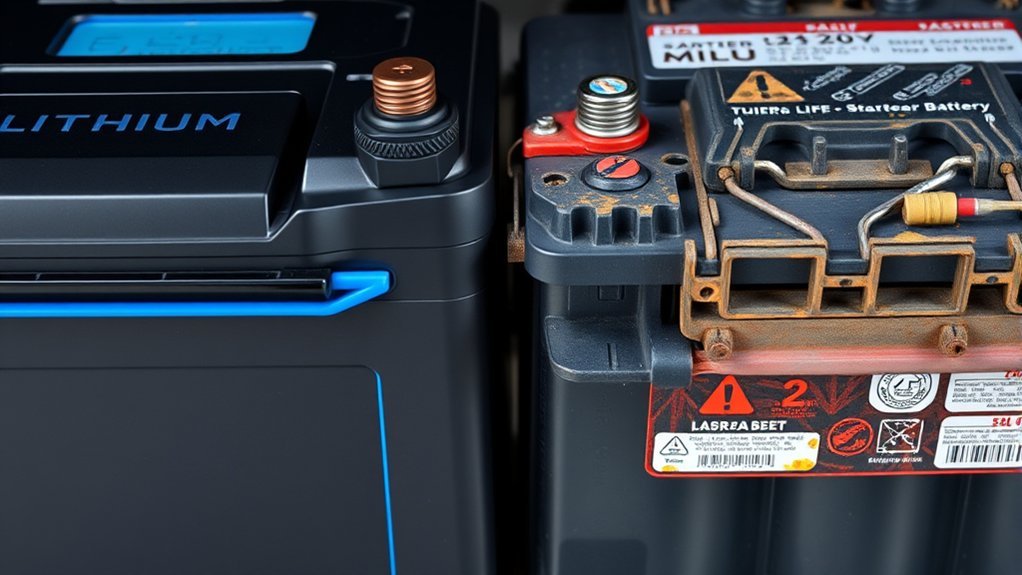
Lithium batteries typically offer a markedly longer cycle life compared to lead acid counterparts, reducing replacement frequency and total ownership costs. They also support faster charging rates, enabling quicker turnaround times in demanding automotive applications. These technical advantages make lithium batteries a compelling choice for enhanced durability and operational efficiency.
Longer Battery Life
When comparing the longevity of car batteries, lithium batteries consistently outperform lead acid counterparts due to their superior chemical stability and reduced degradation over time. Lithium batteries typically have a lifespan of 5,000 to 10,000 cycles, markedly exceeding the 500 to 1,000 cycles of lead acid options. This durability translates to fewer replacements and lower long-term costs. Additionally, lithium batteries exhibit better resistance to deep discharges, maintaining capacity over prolonged use. Their extended lifespan also benefits environmental impact by reducing waste and facilitating more efficient battery recycling processes. Key advantages include:
- Higher cycle life reduces replacement frequency
- Lower capacity fade over time
- Improved resistance to thermal stress
- Optimized battery recycling for sustainability
- Decreased environmental footprint over lifespan
Faster Charging Capabilities
Faster charging capabilities are a notably advantageous feature of lithium batteries over lead acid options, primarily due to their lower internal resistance and more efficient electrochemical processes. This results in reduced charging times and improved overall battery performance. Lithium batteries support higher charging currents without overheating or degrading, allowing for rapid recharging during short stops or quick turnaround cycles.
| Parameter | Lithium Battery | Lead Acid Battery |
|---|---|---|
| Charging Speed | Significantly faster | Slower due to high internal resistance |
| Internal Resistance | Low | High |
| Electrochemical Efficiency | High | Moderate |
| Heat Generation | Minimal | Higher |
| Impact on Battery Life | Less affected by rapid charging | Greater wear with fast charging |
This technical edge makes lithium batteries ideal for applications requiring swift replenishment, enhancing overall vehicle battery performance.
Drawbacks and Limitations of Lithium Car Batteries
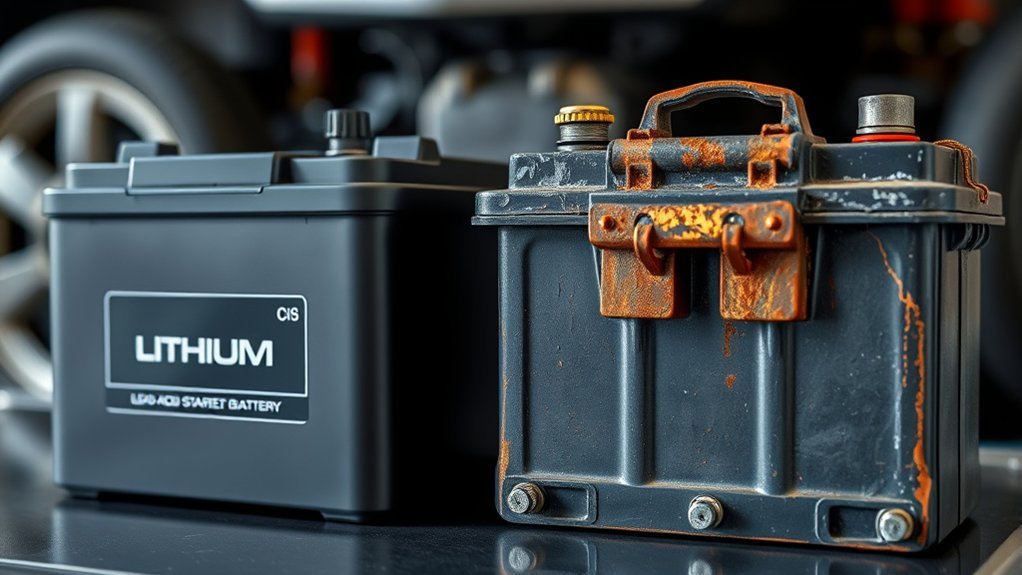
While lithium car batteries offer performance advantages, their higher initial cost presents a significant financial barrier for many users. Additionally, their limited operational temperature range can affect reliability in extreme climates, requiring careful consideration for specific environments. Understanding these limitations is essential for making an informed choice between lithium and traditional lead-acid batteries.
Higher Cost and Investment
Lithium car batteries typically come with a considerably higher initial purchase price compared to traditional lead-acid batteries, which can be a substantial barrier for many consumers and fleet operators. This higher cost reflects advanced manufacturing processes, raw material expenses, and sophisticated battery management systems. Additionally, the environmental impact of lithium extraction and disposal raises concerns, emphasizing the importance of battery recycling programs to mitigate ecological effects. The investment in lithium batteries demands careful consideration of long-term benefits versus upfront costs.
Key factors include:
- Elevated upfront purchase costs
- Complex recycling requirements
- Higher raw material expenses
- Fluctuations in lithium market prices
- Environmental considerations related to extraction and disposal
Limited Temperature Range
Have you considered how temperature fluctuations impact lithium car batteries’ performance? Lithium batteries exhibit limited temperature range, affecting their temperature stability and operational efficiency. Extreme cold reduces ion mobility within the electrolyte, impairing charge acceptance and delivery, while high temperatures accelerate degradation of internal components, shortening lifespan. This temperature sensitivity necessitates supplementary thermal management systems, increasing complexity and cost. Additionally, the environmental impact of thermal regulation solutions must be considered, as they often rely on energy-intensive components. Unlike lead-acid batteries, which tolerate a broader temperature spectrum, lithium systems require careful monitoring to maintain ideal performance. Consequently, their limited temperature range presents a significant drawback, especially in regions with harsh climate conditions, affecting reliability and overall usability in diverse environments.
How to Choose Between Lithium and Lead Acid Batteries for Your Vehicle
Choosing the right battery for your vehicle hinges on understanding the specific advantages and limitations of lithium and lead acid options. Lithium batteries offer higher energy density, faster charging, and longer lifespan, making them suitable for advanced applications. Conversely, lead acid batteries are more cost-effective and easier to recycle, reducing environmental impact. When selecting, consider factors like:
Lithium batteries provide higher energy and longer lifespan; lead acid offers affordability and easier recycling.
- Performance needs (cranking power versus longevity)
- Weight constraints for vehicle efficiency
- Charging infrastructure compatibility
- Environmental considerations, including battery recycling processes
- Long-term sustainability, balancing environmental impact with operational demands
Lithium batteries tend to have a lower environmental impact over their lifespan but require responsible recycling. Lead acid batteries are well-established, with mature battery recycling systems, emphasizing sustainability. Your choice should align with both technical requirements and environmental priorities.
Cost Comparison: Which Battery Offers Better Value?
When evaluating batteries for your vehicle, cost remains a fundamental factor influencing long-term value and operational efficiency. Lithium batteries generally have higher upfront costs due to advanced technology and materials, but their longer lifespan and faster charging can offset initial expenses. Lead acid batteries are less expensive initially but tend to require more frequent replacements, increasing maintenance costs over time. From an environmental impact perspective, lithium batteries often have a lower carbon footprint during operation, though recycling processes are more complex and less established. Lead acid batteries benefit from well-developed recycling processes, making disposal more straightforward and cost-effective. Ultimately, while lithium batteries offer superior long-term value, lead acid batteries may present a more economical choice upfront, especially considering recycling and environmental considerations.
Installation Tips and Maintenance for Car Lithium and Lead Acid Batteries
Installing and maintaining car lithium and lead acid batteries require adherence to specific procedures to guarantee ideal performance and safety. Proper installation involves ensuring terminals are clean, correctly torqued, and insulated to prevent shorts. Regular maintenance includes inspecting for corrosion, ensuring secure connections, and monitoring voltage levels. For lithium batteries, avoid overcharging and follow manufacturer guidelines to prevent thermal runaway. Lead acid batteries need periodic electrolyte checks and timely replacement to mitigate environmental impact. Recycling batteries responsibly minimizes environmental hazards associated with disposal. Additionally, adhering to manufacturer instructions reduces the risk of damage and prolongs battery lifespan. Proper handling and disposal are essential for reducing environmental impact, especially considering the significance of battery recycling initiatives. This approach ensures optimal performance while supporting sustainable practices.
Frequently Asked Questions
Are Lithium Batteries Environmentally Friendly Compared to Lead Acid Batteries?
We believe lithium batteries are more environmentally friendly overall due to lower emissions during use, but their environmental impact is hindered by recycling challenges and hazardous material concerns, making careful disposal essential for minimizing ecological harm.
How Do Lithium and Lead Acid Batteries Perform in Extreme Weather Conditions?
In extreme weather, lithium batteries outperform lead acid with faster charging speeds and lighter weight, maintaining better performance in cold and hot conditions, while lead acids struggle with weight and slower recharge rates under temperature stress.
What Are the Safety Concerns Associated With Lithium Car Batteries?
We’re concerned about battery fire hazards and chemical leakage risks with lithium car batteries. Their high energy density can lead to thermal runaway, risking fires or explosions, and potential leakage of hazardous electrolytes if damaged or improperly handled.
How Long Do Lithium Batteries Typically Last in Vehicles?
Lithium batteries in vehicles typically last around 8-10 years, like a well-tended engine’s heartbeat, with a capacity for 2,000-3,000 charging cycles, maintaining peak performance through consistent, careful management of charge and discharge.
Can Lithium Batteries Be Recycled or Disposed of Easily?
We can recycle lithium batteries through specialized battery recycling programs, but disposal challenges remain due to their chemical complexity. Proper recycling reduces environmental impact, yet safe disposal requires adherence to strict regulations, making it more complex than traditional lead acid batteries.
Conclusion
While lithium batteries excel in energy density and lifespan, their higher upfront costs and thermal management needs can’t be ignored. Lead acid batteries, though more affordable and easier to maintain, fall short in longevity and performance under demanding conditions. Ultimately, selecting the right battery hinges on balancing upfront investment with long-term reliability and application demands. Understanding these technical distinctions allows us to make informed decisions that optimize vehicle performance and longevity.