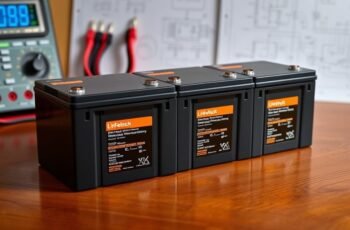
Some may assume that all scooter batteries serve the same purpose, but the choice between lithium and lead-acid markedly impacts performance, longevity, and overall cost. While lithium batteries offer superior energy density and durability, lead-acid options remain more economical upfront. Understanding these differences is essential for making an informed decision that aligns with your riding needs and long-term expectations, yet the nuances of each technology can be complex and deserve closer examination.
Key Takeaways
- Lithium batteries are lighter, more compact, and offer higher energy density, improving scooter performance and handling.
- Lead-acid batteries are cheaper initially but have shorter lifespan and require more maintenance.
- Lithium batteries provide faster charging and longer cycle life, reducing long-term replacement costs.
- Lead-acid batteries pose spill and corrosion risks, while lithium batteries need strict safety handling to prevent thermal hazards.
- Lithium batteries are more environmentally friendly with better recyclability, despite higher upfront costs.
How Do Lithium and Lead-Acid Batteries Work in Scooters?
While both lithium and lead-acid batteries serve as energy sources for scooters, they operate through fundamentally different chemical processes. Lithium batteries utilize lithium-ion chemistry, where lithium ions shuttle between anode and cathode during charge and discharge cycles, enabling high energy density. This results in more stored energy per unit volume, making lithium batteries lightweight and efficient. Lead-acid batteries rely on lead dioxide and sponge lead plates immersed in sulfuric acid, creating a chemical reaction that generates electrical energy. Their energy density is notably lower, leading to heavier batteries with less energy storage capacity. The distinct battery chemistry directly influences performance: lithium’s superior energy density offers longer ranges and faster charging, whereas lead-acid’s simpler chemistry results in bulkier, less efficient energy storage.
Comparing Battery Lifespan and Durability
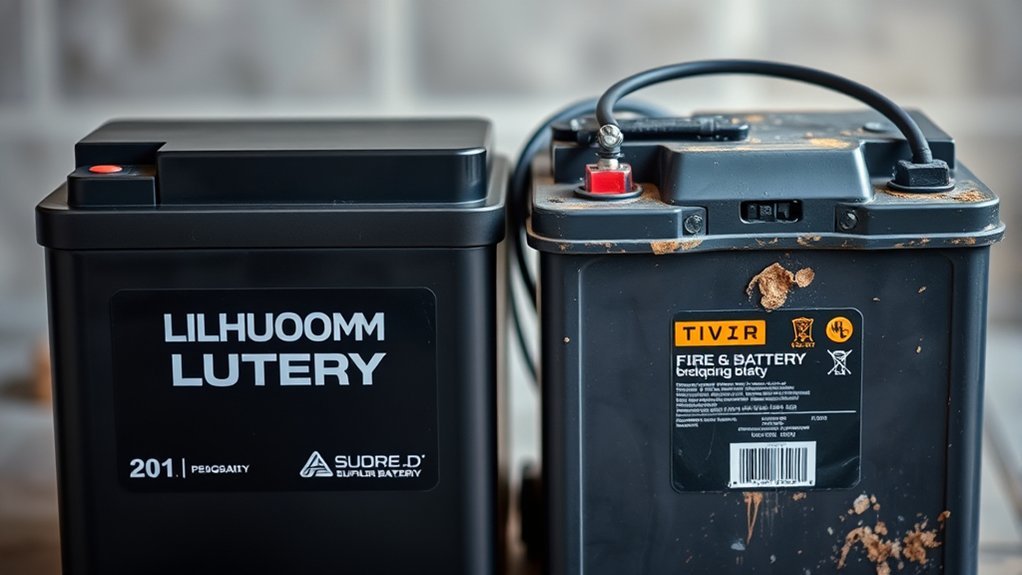
Lithium batteries generally offer a considerably longer lifespan and greater durability compared to lead-acid counterparts, primarily due to differences in their chemical stability and internal construction. Lithium cells are less prone to degradation from repeated charge cycles, enabling a typical lifespan of 2,000 to 3,000 cycles, whereas lead-acid batteries average around 500 cycles. Their robust internal design reduces the risk of internal damage, enhancing durability. Additionally, manufacturing processes for lithium batteries incorporate advanced materials that improve cycle life and resistance to temperature fluctuations. When considering battery recycling, lithium batteries pose challenges due to complex chemistries but offer opportunities for reclaiming valuable materials. Conversely, lead-acid batteries are simpler to recycle but generate more hazardous waste, impacting long-term sustainability and durability.
Which Battery Type Is More Cost-Effective Over Time?
When evaluating cost-effectiveness over time, we consider both initial purchase prices and ongoing maintenance expenses. Lithium batteries typically have higher upfront costs but lower maintenance and replacement requirements, whereas lead acid batteries are more affordable initially but incur higher long-term costs. Analyzing these factors helps determine which option offers better value throughout the battery’s lifespan.
Initial Purchase Cost
Initially, the upfront cost of scooter batteries considerably influences long-term investment decisions. Lithium-ion batteries, characterized by advanced battery chemistry, typically have a higher initial purchase cost compared to lead acid batteries. This cost comparison stems from the sophisticated materials and manufacturing processes involved in lithium technology. While lead acid batteries are cheaper initially, they often lack the energy density and longevity of lithium-ion options, which can impact overall value. Despite the higher initial expense, lithium batteries may prove more cost-effective over time due to their superior performance and longer lifespan. Understanding this initial purchase cost is vital for making informed decisions, as choosing between these battery types depends on balancing upfront investment with anticipated operational benefits.
Long-Term Maintenance Expenses
Although upfront costs influence purchasing decisions, evaluating long-term maintenance expenses is equally important to determine overall cost-effectiveness. Lithium batteries generally incur lower maintenance costs due to fewer replacements and less frequent servicing. They also require a more robust charging infrastructure, which can be an initial investment but results in safer operation and reduced battery safety risks over time. Lead acid batteries, on the other hand, have shorter lifespans, necessitating regular replacements, increasing cumulative costs. Additional considerations include:
- Battery safety: Lithium batteries have advanced safety features, reducing risk-related expenses.
- Charging infrastructure: Lithium batteries benefit from faster, more efficient chargers, lowering operational costs.
- Maintenance frequency: Lead acid batteries demand frequent watering and equalization, adding to ongoing expenses.
How Do Weight and Size Affect Scooter Performance?
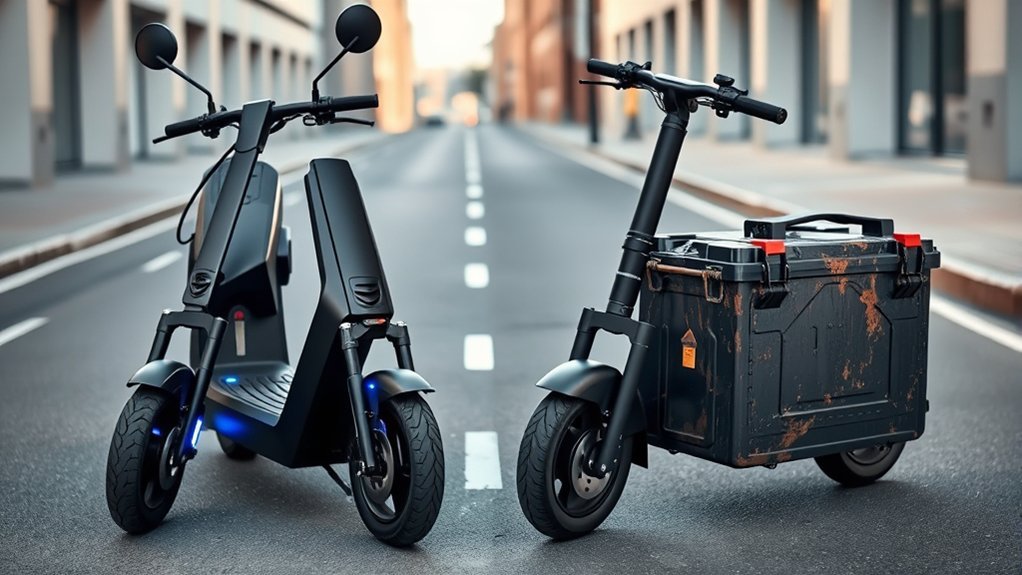
The weight and size of a scooter’s battery directly influence its overall performance, affecting acceleration, top speed, and energy efficiency. Larger, heavier batteries typically provide more capacity but can hinder maneuverability and increase energy consumption, reducing efficiency. Conversely, compact batteries improve handling and reduce strain on the scooter’s frame, but may limit range. Battery safety is also impacted, as larger batteries require rigorous manufacturing standards to prevent overheating or failure. Smaller lithium batteries, though lighter, often meet stricter safety standards due to their different chemistry. Properly balancing size and weight guarantees ideal performance without compromising safety. Consequently, selecting a battery involves evaluating trade-offs between weight, size, and adherence to manufacturing standards to enhance scooter efficiency and safety.
Charging Time and Maintenance Requirements for Each Battery
Battery chemistry considerably influences how long it takes to charge and the maintenance protocols required to guarantee ideal performance. Lithium batteries typically feature shorter charging times due to higher charge acceptance rates, supported by advanced charging infrastructure. They require minimal maintenance, primarily periodic checks on electrolyte levels and terminal cleanliness for lead acid types. Conversely, lead acid batteries demand regular topping up with distilled water and more frequent equalization charges to prevent sulfation, impacting operational efficiency. Both types benefit from proper battery recycling practices to minimize environmental impact.
- Lithium batteries benefit from rapid charging, reducing downtime.
- Lead acid batteries need consistent maintenance, including water levels and equalization.
- Infrastructure compatibility influences charging efficiency and sustainability efforts.
Environmental Impact and Recycling Options
Considering the environmental implications, lithium and lead acid batteries differ markedly in their sustainability profiles and recycling options. Lithium batteries, while containing valuable materials, pose challenges in battery disposal due to their flammability and complex recycling processes. However, they often utilize eco friendly materials that reduce long-term environmental impact when properly recycled. Lead acid batteries, on the other hand, have a well-established recycling infrastructure, with over 95% of the lead being recoverable, making them highly recyclable and less harmful if disposed of correctly. Nonetheless, improper disposal can lead to lead contamination, harming ecosystems. Overall, lithium batteries demand advanced recycling methods to mitigate environmental risks, whereas lead acid batteries benefit from mature recycling systems. Proper disposal and recycling are vital for minimizing ecological harm in both cases.
Which Battery Is Better for Different Rider Needs?
When selecting batteries for various rider needs, weight and portability play vital roles in maneuverability and ease of use, especially for daily commuters. Power and longevity determine how well a battery can sustain performance over time and distance, affecting overall rider satisfaction. Evaluating these factors helps identify which battery type aligns best with specific riding patterns and preferences.
Weight and Portability
While both lithium and lead-acid batteries serve as power sources for scooters, their differences in weight and portability considerably influence rider suitability. Lithium batteries are especially lighter, reducing overall scooter weight and enhancing handling, which benefits user comfort and design aesthetics. Conversely, lead-acid batteries are bulkier and heavier, often requiring additional structural support. These distinctions impact various rider needs:
- Urban commuters benefit from lithium’s lightweight design for ease of maneuverability.
- Long-distance travelers may prefer lead-acid batteries if weight isn’t a primary concern.
- Design-focused scooters favor lithium’s compactness, improving user comfort and aesthetic appeal.
Power and Longevity
Which battery type offers the most favorable balance of power and longevity for different rider needs? Lithium batteries excel in delivering high power output and rapid charge cycles, making them suitable for riders requiring quick acceleration and frequent use. Their superior battery cooling management prevents overheating during intense operation, extending overall lifespan. Lead-acid batteries, while offering lower power density, provide consistent performance over numerous charge cycles, making them reliable for less demanding applications. However, their slower charge cycles and limited thermal regulation reduce longevity under continuous high load. For riders prioritizing sustained power and longer-lasting performance, lithium batteries typically outperform lead-acid options. Conversely, for infrequent use with moderate power demands, lead-acid batteries may suffice, though they generally require more maintenance and have a shorter overall lifespan.
Making the Right Choice: Factors to Consider Before Buying
Choosing the appropriate battery type for your scooter requires careful evaluation of several critical factors. First, consider battery safety, as lithium batteries demand strict handling protocols to prevent hazards like thermal runaway, while lead-acid batteries pose spill and corrosion risks. Second, assess charging infrastructure, since lithium batteries often require specialized chargers and compatible charging stations, whereas lead-acid batteries benefit from more widespread, conventional charging options. Third, evaluate lifecycle costs and maintenance requirements, as lithium batteries typically offer longer service life and lower maintenance, but at a higher initial investment. Key considerations include:
- Safety protocols and risk management
- Compatibility with existing charging infrastructure
- Long-term cost and maintenance implications
Making an informed choice hinges on understanding these factors for superior performance and safety.
Frequently Asked Questions
How Do Temperature Variations Affect Lithium and Lead-Acid Scooter Batteries?
Temperature variations challenge both battery types, but lithium batteries offer better temperature stability due to superior thermal management. Lead-acid batteries are more sensitive, risking capacity loss or damage under extreme temperatures, emphasizing the importance of effective thermal regulation.
Are Lithium Batteries Safer Than Lead-Acid in Case of Damage?
Lithium batteries are safer than lead-acid in damage scenarios, but they still pose risks; considering battery recycling and cost comparison, we analyze their safety profiles, emphasizing technical durability and potential hazards, ensuring informed, responsible energy choices.
Can Lithium Batteries Be Used in All Scooter Models?
We find lithium batteries compatible with most scooter models, but checking charging compatibility and battery recycling options is essential; not all scooters are designed for lithium, so we recommend consulting manufacturer specifications before upgrading to guarantee safety and peak performance.
What Are the Warranty Differences Between Lithium and Lead-Acid Batteries?
We find lithium batteries often offer longer lifespan warranties due to their superior charging protocols and cycle life, whereas lead-acid warranties tend to be shorter, reflecting their limited charge cycles and more sensitive maintenance requirements.
How Does Initial Setup or Installation Differ Between Battery Types?
We find that lithium batteries require specific charging protocols and minimal maintenance, often involving a simple installation process. Conversely, lead-acid batteries demand careful setup, regular checks, and upkeep to guarantee proper operation and longevity.
Conclusion
Ultimately, choosing between lithium and lead-acid batteries hinges on your specific needs—much like selecting the right tool for a precise task. Lithium batteries, with their superior energy density and longevity, often represent a smarter investment for those seeking durability and performance. Conversely, lead-acid may suffice for budget-conscious users with less demanding use. By analyzing factors like weight, cost, and lifespan, you can make an informed decision—turning technical insight into a lasting ride.