It’s interesting that a coincidence of size and flexibility often influences our choice between LiPo and Lithium-Ion batteries, yet their fundamental differences go far beyond that. As we analyze their construction, safety profiles, and performance metrics, we realize that selecting the right type depends on understanding these nuances. Since each has distinct advantages and limitations, exploring their specifics can help us make more informed decisions for a wide range of applications.
Key Takeaways
- LiPo batteries are flexible, lightweight, and suitable for slim designs, while Lithium-Ion batteries are rigid and offer higher energy density.
- LiPo batteries are more prone to puncture and swelling, requiring careful handling and safety precautions.
- Lithium-Ion batteries typically have longer lifespan and faster charging capabilities.
- LiPo batteries excel in applications needing lightweight, adaptable shapes like drones and wearables.
- Both battery types require proper disposal and recycling to minimize environmental impact.
How Do LiPo and Lithium-Ion Batteries Differ in Construction and Design
Although both LiPo (Lithium Polymer) and Lithium-Ion batteries utilize similar chemistries, their construction and design differ markedly, impacting their performance and applications. LiPo batteries feature a flexible, pouch-like form factor, which influences battery aesthetics by enabling slimmer, more adaptable shapes. This flexibility stems from their manufacturing processes, which replace rigid metal casings with soft, laminated polymer enclosures. Conversely, Lithium-Ion batteries typically have rigid cylindrical or prismatic cells encased in metal shells, offering durability but limiting design flexibility. These structural differences affect heat dissipation, weight, and overall device integration. The manufacturing processes for LiPos emphasize precision in layering polymer electrolytes, while Lithium-Ion production focuses on assembling tightly sealed, metal-cased cells. These distinctions shape each battery type’s suitability for various applications.
Which Battery Type Is Safer for Your Devices? Safety Considerations for LiPo and Lithium-Ion
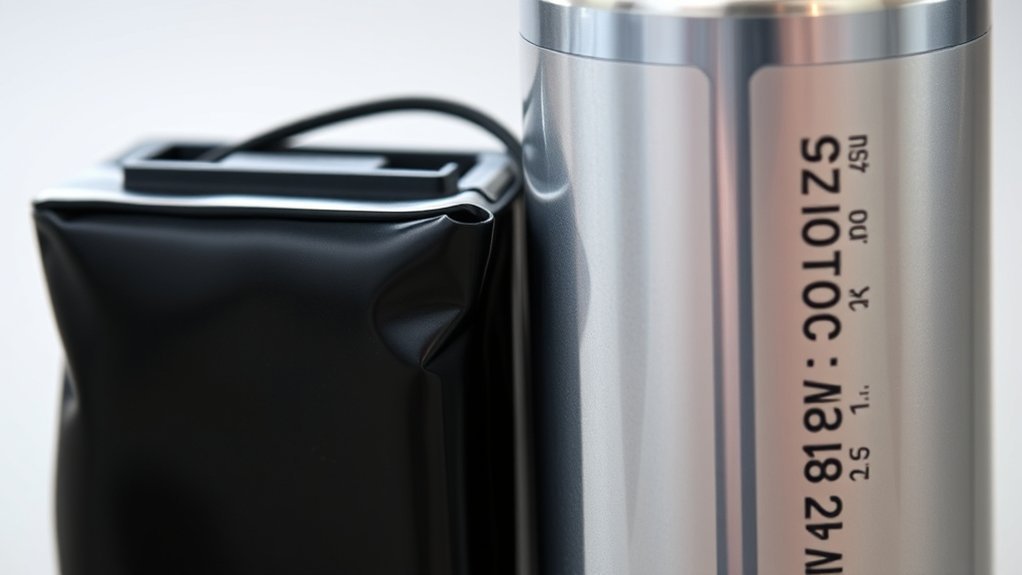
When evaluating the safety of LiPo and Lithium-Ion batteries, it’s essential to take into account their inherent design differences and how these impact risk factors. LiPo batteries, with their flexible, lightweight design, are more prone to puncture and swelling, increasing fire risk if damaged or improperly handled. Lithium-Ion batteries, though generally more stable, can still overheat or short-circuit under stress. Both types pose concerns for battery recycling, as improper disposal can lead to environmental contamination. Additionally, their chemical composition affects environmental impact; Lithium-Ion batteries often contain toxic electrolytes that require careful handling. Safety considerations extend beyond device use to responsible disposal, emphasizing the importance of proper recycling protocols to minimize hazards and environmental footprint.
Comparing Performance: Energy Density, Charging, and Discharge Rates in LiPo vs Lithium-Ion
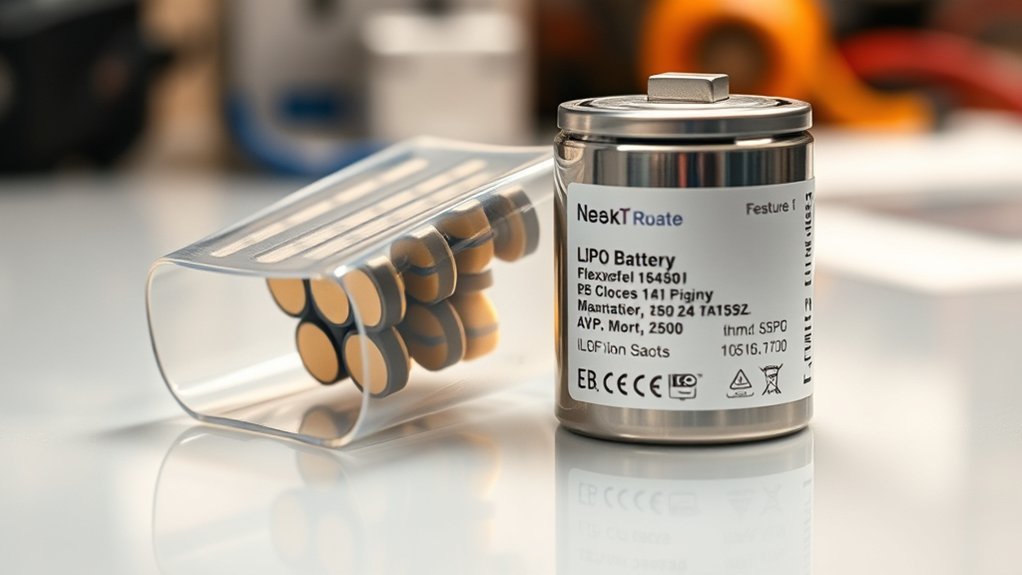
Both LiPo and Lithium-Ion batteries are designed to deliver high energy density and efficient power management, but they differ considerably in their performance characteristics. Lithium-Ion batteries typically offer higher energy density, allowing for longer device operation and improved battery longevity. LiPo batteries, however, excel in lightweight design and flexible form factors, which can influence charging efficiency and discharge rates. Lithium-Ion cells generally have faster charge times and more stable discharge rates, making them suitable for high-demand applications. From an environmental perspective, both types pose concerns due to resource extraction and disposal, but LiPo batteries may have a slightly lower environmental impact owing to their lighter weight and potential for longer lifespan. These differences impact performance, lifecycle, and ecological footprint.
What Are the Best Use Cases for LiPo and Lithium-Ion Batteries? Choosing the Right Battery for Your Application
Choosing the appropriate battery type depends on the specific demands of your application. For high-drain devices requiring rapid charge and discharge cycles, LiPo batteries excel due to their lightweight and flexible form factors. Conversely, lithium-ion batteries are ideal for applications needing longer, stable runtimes, such as laptops and electric vehicles. When selecting, consider environmental impact and battery recycling options to minimize ecological footprint. Proper disposal and recycling are vital for reducing hazardous waste. The table below summarizes key use cases:
| Application | Battery Type | Key Advantage |
|---|---|---|
| RC drones, portable gadgets | LiPo | Lightweight, high discharge rate |
| Electric vehicles | Lithium-ion | Long lifespan, stable energy |
| Wearables | LiPo | Flexibility and lightweight |
| Renewable energy storage | Lithium-ion | Efficiency over cycles |
How to Maintain and Extend the Lifespan of LiPo and Lithium-Ion Batteries
Maintaining ideal performance and prolonging the lifespan of LiPo and lithium-ion batteries requires disciplined care and proper handling practices. Regularly monitoring charge levels and avoiding complete discharges prevent capacity loss and internal damage. Store batteries at a moderate state of charge in a cool, dry environment to minimize degradation. Proper disposal through battery recycling programs reduces environmental impact by preventing toxic materials from leaching into ecosystems. Additionally, implementing efficient charging cycles and avoiding overcharging help maintain battery integrity over time. By adhering to these practices, we not only extend battery lifespan but also promote responsible environmental stewardship. Proper maintenance guarantees peak performance and supports sustainable use, emphasizing the importance of environmentally conscious disposal methods to reduce long-term ecological footprints.
Frequently Asked Questions
How Do Temperature Extremes Affect Lipo and Lithium-Ion Battery Performance?
Temperature extremes challenge thermal stability, causing performance degradation in both Lipo and lithium-ion batteries. High heat accelerates chemical reactions, reducing lifespan, while cold temperatures hinder ion flow, diminishing power output and efficiency in these energy storage systems.
Are There Environmental Concerns Related to Disposing of These Batteries?
We see discarded batteries as toxic time bombs, risking environmental harm with battery toxicity and recycling challenges. Proper disposal and advanced recycling methods are vital to mitigate these dangers, ensuring safer, sustainable handling of lithium-based batteries.
What Are the Charging Time Differences Between Lipo and Lithium-Ion Batteries?
We find that LiPo batteries generally offer faster charging speeds and higher power efficiency due to their design, while lithium-ion batteries typically require longer charging times but provide more stable power output over extended periods.
Can These Batteries Be Safely Recycled or Repurposed?
Like treasure chests, these batteries can be safely recycled or refurbished through strict recycling protocols. We analyze chemical composition, ensuring environmentally responsible disposal or repurposing, reducing waste, and maximizing resource efficiency in battery refurbishment processes.
How Do Cost Differences Impact Long-Term Usage Decisions?
Cost analysis reveals lithium-ion batteries often have higher upfront costs but lower long-term expenses due to better efficiency and longevity, impacting our budget considerations. We weigh these factors to optimize long-term usage and maximize value.
Conclusion
In summary, understanding the differences between LiPo and Lithium-Ion batteries helps us make informed decisions for our devices. While safety concerns with LiPo batteries are valid, proper handling greatly mitigates risks. Recognizing each type’s strengths allows us to optimize performance and lifespan. We believe that with careful selection and maintenance, we can harness their full potential, ensuring reliability without compromising safety—because ultimately, informed choices empower us to innovate confidently.