Swollen lithium batteries pose serious safety concerns due to the internal buildup of gases that can lead to fires, chemical leaks, or device failures. Recognizing the causes and signs of swelling is vital for preventing accidents. Understanding how to handle and dispose of these batteries safely can considerably reduce risks. Given the increasing use of high-capacity devices, it’s important to take proper safety measures—yet, many overlook the potential dangers until it’s too late.
Key Takeaways
- Swollen lithium batteries pose fire and chemical leak risks, requiring immediate safe handling and disposal.
- Internal gas buildup causes casing deformation, increasing chances of rupture or thermal runaway.
- Damaged batteries should be isolated, stored in non-flammable containers, and recycled at certified facilities.
- Using non-certified or damaged batteries heightens safety hazards, including potential fires and device failures.
- Regular inspection for swelling or leaks helps prevent accidents and ensures safe battery usage.
What Causes Lithium Batteries to Swell?
Lithium batteries swell primarily due to internal chemical reactions that produce gases, such as oxygen and carbon dioxide, which accumulate within the cell. This process is closely linked to battery chemistry, where improper electrochemical balance leads to gas generation. Manufacturing defects, such as imperfect sealing or flawed electrode assembly, can exacerbate this issue by allowing gases to escape or accumulate improperly. Over time, these gases increase internal pressure, causing the battery casing to expand. Additionally, chemical instability resulting from poor manufacturing quality or degraded battery chemistry accelerates swelling. This swelling is a sign of underlying issues within the cell, often stemming from structural weaknesses or chemical imbalance, making it a critical safety concern in lithium battery design and production.
Recognizing the Signs of a Swollen Battery
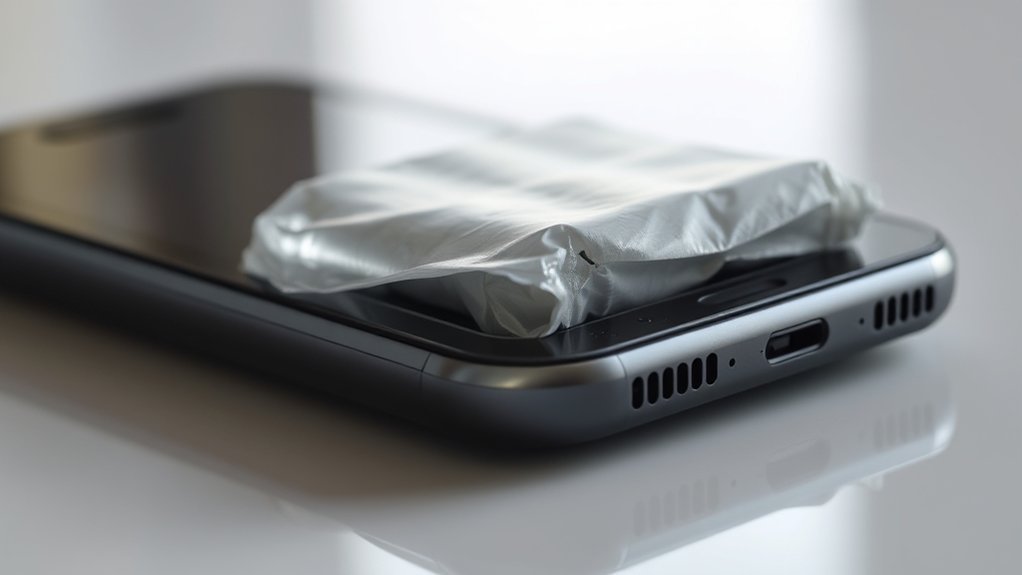
Since a swollen battery often indicates internal damage or failure, recognizing early signs is essential for safety. Visual inspection is the most immediate method; a swollen casing or bulging surface signals internal pressure buildup. During battery manufacturing, deviations in electrolyte composition—such as excess moisture or improper additives—can increase the likelihood of swelling. Changes in electrolyte stability cause gas generation, leading to expansion. Additionally, irregularities like a battery that feels abnormally warm or exhibits reduced capacity may indicate internal damage. Persistent swelling or deformation suggests compromised internal layers, which can compromise safety. Regularly monitoring these physical signs, alongside understanding the effects of electrolyte composition and manufacturing quality, helps identify potential hazards before failure occurs.
Why Are Swollen Batteries a Safety Hazard?

Swollen batteries pose significant safety risks due to the internal pressures and structural compromises they introduce. These issues arise from flaws in battery manufacturing and the inherent instability of lithium chemistry under stress. When a battery swells, it signals internal damage, increasing the likelihood of catastrophic failure. The risks include:
- *Potential for thermal runaway and fires*
- *Leakage of toxic and flammable electrolytes*
- *Sudden rupture causing physical injury*
- *Electrode delamination weakening the cell structure*
- *Unpredictable behavior risking device damage*
Understanding that swelling indicates compromised integrity helps emphasize the importance of addressing manufacturing defects and lithium chemistry limitations. These factors directly contribute to safety hazards, making swollen batteries not just a malfunction but a serious danger. Recognizing these risks is essential for preventing accidents and ensuring safe handling.
How to Safely Handle a Swollen Lithium Battery
Handling a swollen lithium battery requires immediate caution because internal damage can lead to dangerous failures. First, wear protective gloves and eye protection to prevent chemical leakage exposure. Do not puncture or attempt to puncture the battery, as this may cause fire or release hazardous chemicals. Carefully isolate the battery from other electronics and place it on a non-flammable surface in a well-ventilated area. Contact local recycling facilities to guarantee proper battery recycling, avoiding improper disposal that can harm the environment. If the battery shows signs of chemical leakage, handle it with extreme care and dispose of it according to hazardous waste protocols. Never attempt to discharge or repair a swollen battery yourself; professional disposal minimizes risk and environmental impact.
Preventing Battery Swelling Through Proper Use
Proper use of lithium batteries considerably reduces the risk of swelling, which can compromise safety and device performance. Effective battery maintenance involves monitoring charge levels, avoiding over-discharge, and preventing exposure to extreme temperatures. Maintaining ideal charging habits—such as using compatible chargers, avoiding rapid charging, and unplugging once fully charged—minimizes stress on the battery. Additionally, regularly inspecting batteries for signs of damage or swelling helps catch issues early.
Proper lithium battery use prevents swelling, ensuring safety and optimal device performance.
Key practices include:
- Using manufacturer-recommended chargers
- Keeping batteries within recommended charge ranges
- Avoiding charging in high-temperature environments
- Not leaving devices plugged in overnight
- Performing routine inspections for physical signs of deterioration
Implementing these measures enhances battery longevity and safety.
When and How to Dispose of a Swollen Battery
When a lithium battery shows signs of swelling, immediate action is vital to prevent safety hazards such as leaks, fire, or explosions. Do not attempt to puncture or use the battery. Instead, follow strict disposal procedures to ensure safety and environmental protection. Proper disposal involves contacting local recycling facilities that accept lithium batteries. Never throw swollen batteries in regular trash, as they pose fire risks. Instead, store the damaged battery in a non-conductive container until disposal.
| Step | Action |
|---|---|
| 1 | Isolate the swollen battery in a fireproof container |
| 2 | Contact certified battery recycling centers or authorities |
| 3 | Transport the battery following safety guidelines |
| 4 | Complete proper battery recycling to prevent hazards |
Adhering to these procedures minimizes risks and promotes safe battery recycling.
What Devices Are Most at Risk From Swollen Batteries?
Devices with high-capacity lithium-ion batteries, such as smartphones, tablets, electric vehicles, and e-bikes, are particularly vulnerable to damage from swollen batteries. Portable power banks also pose significant risks due to their frequent use and compact design. Understanding the specific risks associated with each device type is essential for effective safety management.
Smartphones and Tablets
Smartphones and tablets are particularly susceptible to swelling batteries because their compact design restricts internal space, increasing the risk of damage from battery expansion. The close integration of components means even minor swelling can compromise device integrity. Factors like battery chemistry and manufacturing defects heighten this risk, as unstable chemistries or flawed manufacturing processes can lead to rapid gas buildup. When a swelling battery occurs, it poses serious safety concerns, including fire hazards and device failure.
- Unexpected device shutdowns
- Risk of sudden battery rupture
- Damage to internal components
- Potential for chemical leaks
- Increased safety hazards for users
Electric Vehicles and E-Bikes
Electric vehicles and e-bikes are particularly vulnerable to the dangers posed by swollen batteries, given their reliance on large-scale lithium-ion cells that store significant energy. Swelling indicates internal damage, increasing risks of thermal runaway and fire. Proper battery recycling is essential to prevent hazardous deterioration, especially when batteries reach end-of-life. Charging habits directly influence swelling; overcharging or using incompatible chargers accelerates degradation. The following table highlights key factors affecting swollen batteries in these devices:
| Device Type | Risk Factors | Preventive Measures |
|---|---|---|
| Electric Vehicles | Fast charging, high mileage | Use manufacturer-approved chargers |
| E-Bikes | Frequent deep discharges | Avoid deep cycling and monitor battery health |
| Battery Recycling | Improper disposal | Follow certified recycling protocols |
| Charging Habits | Overcharging, high temperature | Use smart chargers, avoid extreme temps |
| Overall | Storage conditions | Store in cool, dry environments |
Portable Power Banks
Have you ever considered which portable devices are most vulnerable to the risks associated with swollen batteries? Power banks, often overlooked, are highly susceptible due to their frequent use and compact design. Manufacturing defects and improper battery recycling can lead to swelling, increasing the risk of thermal runaway. Devices with older or poorly manufactured batteries are particularly at risk, especially when subjected to physical damage or high temperatures. Swollen power banks can cause fires, leaks, or explosions, endangering users and property.
- Fire hazards from compromised batteries
- Chemical leaks contaminating surroundings
- Sudden device failure risking data loss
- Increased environmental impact from improper battery disposal
- Hidden dangers from unnoticed swelling during use
Tips for Choosing Safer Battery Options
When selecting lithium batteries, prioritizing certified battery standards guarantees adherence to safety regulations and quality benchmarks. Proper handling practices, such as avoiding punctures and extreme temperatures, further reduce risk. By combining these criteria, we can greatly improve overall battery safety.
Certified Battery Standards
Choosing a battery that meets recognized safety standards is essential for minimizing risks associated with lithium batteries. Certified battery standards guarantee adherence to strict manufacturing standards and consistent quality. These standards verify that the battery’s chemistry is stable, reducing the likelihood of swelling or thermal runaway. When selecting batteries, look for certifications from reputable organizations such as UL, IEC, or UN/DOT. These certifications confirm rigorous testing of battery chemistry, safety mechanisms, and durability.
- Feel confident in the product’s safety and reliability
- Trust in rigorous, standardized testing processes
- Minimize the risk of swelling or failure
- Guarantee consistent quality across production batches
- Protect yourself and your devices from hazards
Proper Handling Practices
Selecting batteries that meet recognized safety standards is an essential step, but proper handling practices are equally important in ensuring safety during everyday use. We must adhere to strict storage precautions, such as avoiding exposure to extreme temperatures and preventing physical damage, which can compromise battery integrity. Proper handling also involves safe charging practices, including using compatible chargers and avoiding overcharging. Additionally, responsible battery recycling is vital; dispose of damaged or expired batteries at designated facilities to prevent environmental hazards and potential safety risks. Regular inspection for swelling, leaks, or corrosion helps identify compromised batteries early. By following these handling practices, we minimize risks associated with lithium batteries, ultimately enhancing safety and prolonging battery lifespan.
Frequently Asked Questions
Can a Swollen Battery Still Hold a Charge?
A swollen battery typically can’t hold a charge effectively due to internal damage. We advise against recharging it, prioritize proper battery recycling, and follow charging precautions to prevent hazards and guarantee safety.
Are Certain Brands More Prone to Swelling?
Certain brands are more prone to swelling due to varying brand reliability and manufacturing defects. We recommend researching specific brand quality and defect rates, as these factors considerably influence the likelihood of battery swelling and safety risks.
How Long Does It Take for a Battery to Swell?
Battery expansion can occur in days to weeks, caused by swelling due to internal chemical reactions or damage. Swelling causes vary, but rapid expansion signals imminent failure, prompting immediate safety measures to prevent hazards and guarantee device safety.
Is It Safe to Puncture a Swollen Battery?
It’s unsafe to puncture a swollen battery because it can cause chemical leakage and potential fire hazards. Always follow proper battery disposal procedures and avoid damaging the battery to prevent dangerous chemical exposure.
Can Swollen Batteries Cause Fires During Charging?
Swollen batteries can ignite like a ticking time bomb, especially during charging. Battery swelling indicates internal damage, considerably increasing fire hazards. Always disconnect and safely dispose of swollen batteries to prevent potential fires and safety risks.
Conclusion
In summary, swollen lithium batteries pose serious safety risks, with studies showing that over 50% of battery-related fires originate from damaged or swollen cells. Recognizing early signs and handling them properly can prevent accidents and injuries. We must prioritize proper disposal and select certified, high-quality batteries to mitigate these dangers. Staying vigilant is essential—because a small swelling can lead to catastrophic failure if ignored. Safety starts with informed, proactive actions.