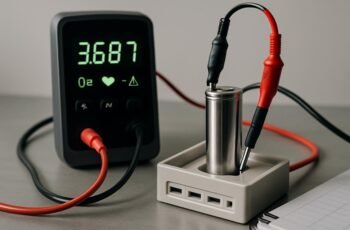
We know lithium batteries can be recycled, but the process is complex and tightly regulated. Dismantling, sorting, and quality checks help separate modules, plastics, metals, and electrolytes, while data on energy density and temperature guides decisions. Recovered materials—cobalt, nickel, lithium, manganese, and plastics—offer value, yet costs and contamination shape outcomes. We’ll explore how economics, policy, and innovation are driving safer, cleaner recycling—and what you need to know to participate effectively.
Key Takeaways
- Yes, lithium batteries can be recycled to recover valuable metals and reduce waste, with processes that separate packs, modules, and electrolytes before material recovery.
- Recycling unlocks cobalt, nickel, lithium, and manganese, helping conserve critical elements and lower dependence on virgin mining.
- Advanced sorting, shredding, and data-driven quality checks ensure purity, safety, and efficient recovery of active materials.
- Recovered materials be reprocessed into polymers, solvents, salts, and feedstocks, supporting a circular economy and pricing stability.
- Regulatory standards, handling guidance, and consumer practices (proper disposal, avoiding mixing chemistries) improve safety and transparency.
What Happens Inside Lithium Battery Recycling
Lithium battery recycling starts with careful disassembly and screening to separate cells, plastics, and metals. We then assess battery packs for damage, odors, and leakage, prioritizing safety hazards and containment. Our team analyzes lithium chemistry to predict how ions move and how materials will respond to subsequent processing, guiding our approach to avoid reactive mixes. We separate modules, electrolytes, and cathode materials to reduce cross-contamination before shredding or mechanical separation. Data-driven quality checks track particle sizes, metal content, and potential fires, informing downstream recovery steps. We monitor energy density, cell impedance, and temperature as we compact and feed materials into subsequent processing streams. Across all steps, safety hazards are mitigated with engineered controls, proper ventilation, and protective equipment to safeguard workers and communities.
Why Recycling Protects Resources and the Environment
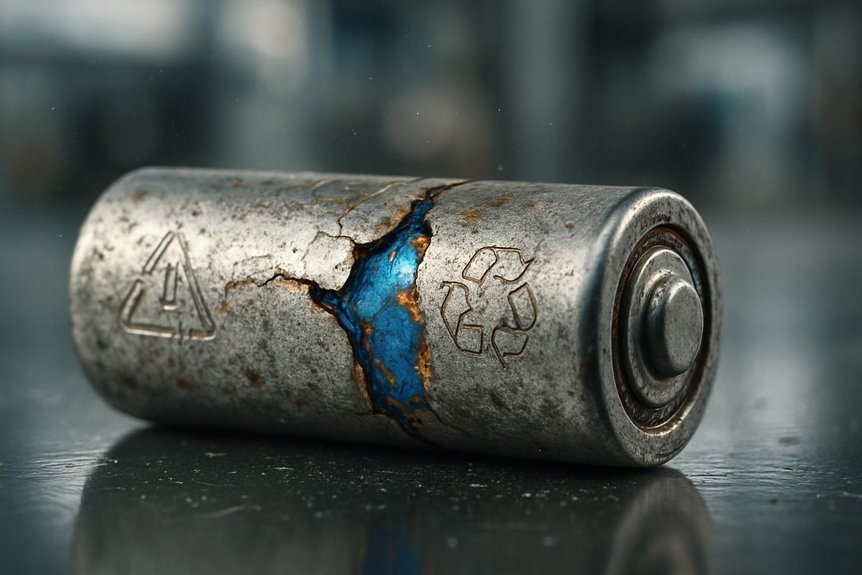
Recycling protects resources and the environment by closing loops on finite materials and reducing the need for virgin extraction. When we recycle lithium batteries, we conserve critical elements like lithium, cobalt, and nickel that are geographically concentrated and facing rising demand. This means fewer mining disruptions, lower greenhouse gas emissions, and steadier supply chains that protect consumers from price volatility. Our data show that recycling can cut waste destined for landfills, decreasing leachate risks and space use in communities. By elevating material reuse, we address resource scarcity and support a more circular economy. Waste reduction through recycling minimizes overall environmental footprint, helping ecosystems and public health. Informed, proactive choices now prevent future shortages and costly remediation.
The Recycling Process: Dismantling, Separation, and Recovery
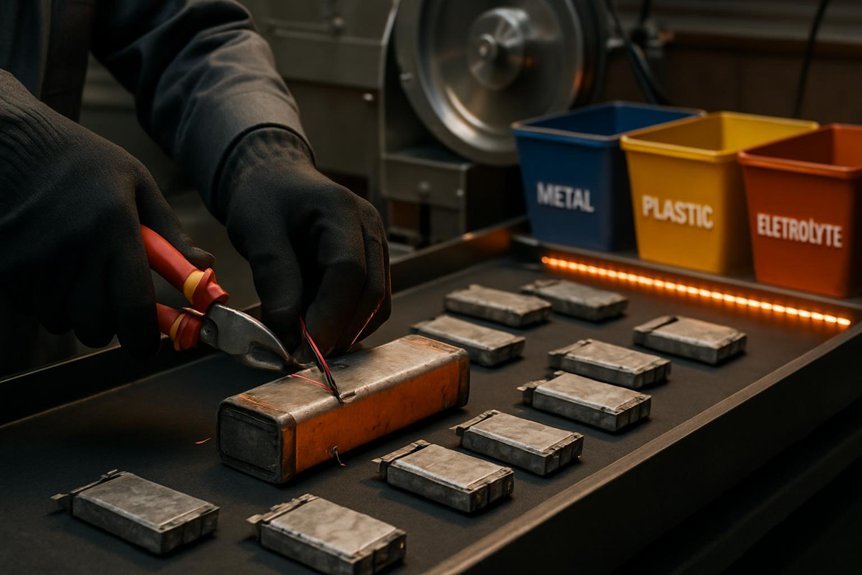
To turn recycled materials back into usable battery components, facilities follow a clear sequence: dismantling the battery pack, separating its components, and recovering valuable elements. We, together, outline how this works to you with data-driven clarity. We begin with dismantling methods designed to minimize damage and exposure, isolating modules, trays, and casings for safe handling. Next, separation technologies distinguish active materials from plastics, metals, and electrolytes, using shredders, screens, and automated sorting to maximize purity and minimize cross-contamination. Then, recovery processes extract critical metals—cobalt, nickel, lithium—from complex mixtures, guided by efficiency targets and environmental controls. Throughout, we monitor yields, energy use, and emissions to ensure transparent performance and continual improvement in the recycling chain.
Materials Recovered From Lithium Batteries
At a glance, the materials recovered from lithium batteries fall into three main categories: active metals, plastics, and electrolytes. We explain what each yields and why it matters for recycling economics and battery materials recovery. Our goal is to quantify impact, not just describe processes.
At a glance, battery recycling yields active metals, plastics, and electrolytes, with a focus on quantifying impact for economics and material recovery.
- Active metals: cobalt, nickel, lithium, and manganese reused in new cells or alloys.
- Plastics: outer casings and separators reprocessed into polymers for secondary applications.
- Electrolytes: recovered solvents or neutralized for safe disposal or reuse in manufacturing.
- Byproducts: refined salts and minerals that contribute to supply chain resilience.
We rely on consistent reporting, traceability, and quality controls to optimize value. This clarity helps readers understand the financial drivers and material stewardship behind recycling economics.
Key Challenges: Economics, Contamination, and Regulation
What are the real hurdles that shape lithium battery recycling today—economics, contamination, and regulation—and how do they interact to affect outcomes? We’re examining how economics volatility, price swings, and capital costs influence processing viability, facility uptime, and investment timelines. We’re also weighing contamination risk from mixed chemistries, impurities, and inconsistent feedstock, which threaten recovery yields and downstream product quality. Regulation adds friction through evolving standards, permitting hurdles, and reporting requirements, shaping project feasibility and scale. We see how small cost changes ripple into margins, how tighter purity specs raise processing complexity, and how policy signals can accelerate or stall innovation. Together, these factors determine access to reliable recycling streams, infrastructure buildout, and the pace at which the system improves.
Who Recycles Lithium Batteries and How It Works
1) Battery collection programs run by municipalities, retailers, and service providers guarantee access to end-of-life packs
2) Sorting and pre-processing separate by chemistry, size, and damage for efficient downstream steps
3) Pyrometallurgical and hydrometallurgical techniques recover metals, balance costs, and manage emissions
4) Quality controls and reporting align with regulatory expectations and traceability needs
This ecosystem depends on regulated flows and ongoing data to address regulatory hurdles and environmental impacts.
What Consumers Should Do: Disposal Steps, Fees, and Compliance
Where should you start when disposing of lithium batteries? We begin with clear disposal steps to minimize risk and maximize recycling yield. We track local rules, since compliance gaps vary by jurisdiction, and noncompliance can incur penalties. We document each battery type, package properly, and avoid mixing with incompatible materials. We assess consumer fees before dropping off recyclers, choosing options with transparent pricing and no hidden surcharges. We require certification from facilities and request receipts for all transactions to support accountability. Data shows containment, labeling, and timely drop-off reduce contamination and hazards. We stay informed about regulatory changes and advocate for standardized fees and processes. By staying proactive, we protect communities and ensure responsible recycling, not just compliance, but environmental stewardship.
The Future of Lithium Battery Recycling: Trends and Innovations
The future of lithium battery recycling will hinge on scalable, data-driven innovations that boost recovery rates while cutting costs and environmental impact. We’re seeing trends that blend advanced sorting, robotics, and chemical analytics to reclaim more materials with fewer emissions. As readers, you’ll notice pilots funded by public-private partnerships accelerating scaling and standardization. We also expect tighter regulations and transparency, guiding safer, cleaner processes as policy shifts unfold. Meanwhile, economics will hinge on sustained future funding and smarter supply-chain modeling to reduce waste.
- Automated, AI-guided sorting and dismantling
- In-situ analytics to tailor hydrometallurgy
- Containerized, modular recycling plants
- Open data for cross-operator benchmarking
Frequently Asked Questions
How Do Battery Disposal Rules Vary by Country?
We answer: country regulations vary widely, shaping our disposal practices; we track and compare rules, penalities, and incentives, because cross border recycling ethics depend on clear standards. We advocate harmonized guidelines, data-driven compliance, and transparent reporting.
Are There Safe DIY Lithium Battery Recycling Methods?
We shouldn’t DIY lithium battery recycling; it’s unsafe. We warn you about DIY hazards and emphasize proper waste handling, because data shows fires and leaks. We’re concerned, we’re practical, and we’re directing you toward certified recycling options.
What Is the Best Indicator of Battery End-Of-Life?
End-of-life indicators vary, but we rely on battery health metrics like capacity fade and internal resistance to judge when disposal is warranted. We monitor data closely, and we caution readers that thresholds guide safe, responsible decisions in practice.
How Do We Distinguish Between Damaged and Non-Damaged Packs?
We see danger flicker like warning lights; damaged packs show swelling, heat, or venting, while non damaged packs remain stable under test. We distinguish by data: voltage, impedance, and capacity drift, comparing damaged packs to baseline non damaged packs.
What Happens to Non-Recycled Lithium From Batteries?
We don’t want non-recycled lithium from batteries to accumulate; it harms the environment. We’ve measured it’s linked to higher environmental impact, waste, and resource loss, so we’ll push for better recycling, safer disposal, and stricter standards.
Conclusion
We’re steering this through data, not guesswork, and the stakes couldn’t be higher. Lithium battery recycling isn’t just “nice to have”—it’s a planetary emergency plan with numbers to back it up: material supply, emissions, and waste metrics all hinge on how well we dismantle, sort, and recover. If we don’t act decisively now, demand will outpace supply, and we’ll pay in higher costs and harsher penalties. Let’s recycle smarter, faster, cleaner—together.