We need to start by identifying the battery type and size, recognize hazards, and decide whether at-home prep or professional recycling is appropriate under local rules. We’ll isolate damaged packs, use insulated PPE, and store small cells in nonconductive, labeled containers. For large packs, we’ll document condition and transport them with proper containment and chain-of-custody. This careful footing sets the stage, but the specifics will depend on your battery and jurisdiction—so we’ll proceed with precision to keep you compliant.
Key Takeaways
- Identify battery type, size, and safety features to determine appropriate disposal and regulatory requirements.
- Isolate and handle damaged or overheated cells with insulated PPE; avoid puncturing or discharging.
- Prefer professional recycling for damaged, swollen, or unknown batteries; document type, chemistry, and state of charge.
- Choose disposal path based on local rules: curbside, drop-off, or hazardous-waste programs with proper labeling and documentation.
- Ensure safety and compliance: use approved containers, keep away from heat, obtain chain-of-custody paperwork, and verify facility credentials.
Why Lithium Batteries Are Hazardous and Why Disposal Matters
Lithium batteries pose serious safety and environmental risks if mishandled, because their chemistry can generate dangerous heat, fire, or toxic exposure when damaged or improperly disposed. We recognize that these risks translate into real costs for communities and industries, so we approach disposal with rigor. Our guidance emphasizes that lithium cells can short, vent, or ignite if crushed, punctured, or exposed to extreme temperatures, creating hazardous waste scenarios and air or soil contamination. Proper separation, labeling, and transport under regulatory standards mitigate these dangers and support safe recycling streams. We also assess environmental impact, from resource extraction to end-of-life processing, ensuring compliance with environmental protection laws. By prioritizing containment, documentation, and authorized vendors, we reduce risk and protect public health.
Identify Your Lithium Battery Type and Size
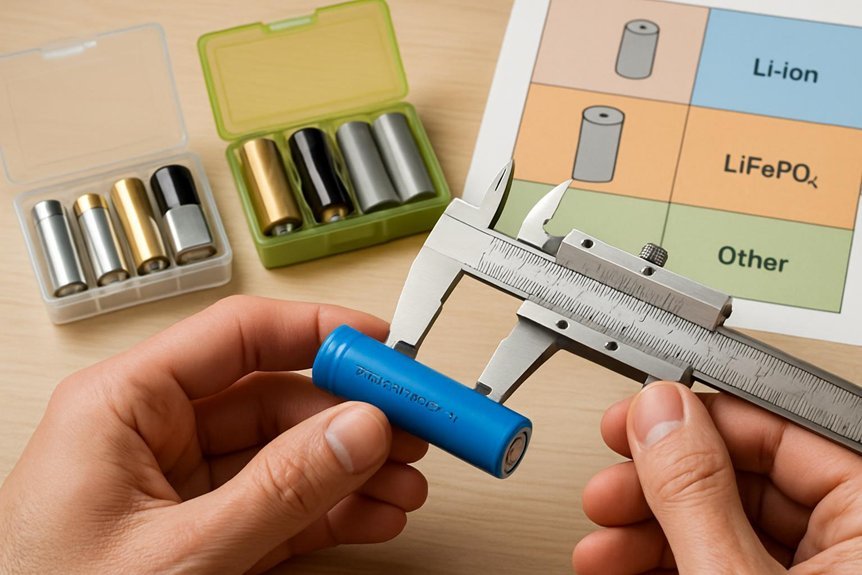
What type and size is your lithium battery? We’ll identify the specific battery by confirming model markings, chemistry, and form factor, then measure capacity for proper handling. Knowing these details supports safe transport and compliant disposal.
1) Identify battery type using labels, casing, and markings to differentiate Li-ion, Li-poly, or lithium metal.
2) Record nominal voltage and capacity, then cross-check with manufacturer data sheets for accuracy.
3) Measure physical size when needed using length, width, and height, noting any irregular shapes or prismatic packs.
4) Document additional safety features such as protection circuits, venting, or rigid containment to guide proper processing and regulatory adherence.
Decide How to Dispose: At-Home Prep vs. Professional Recycling
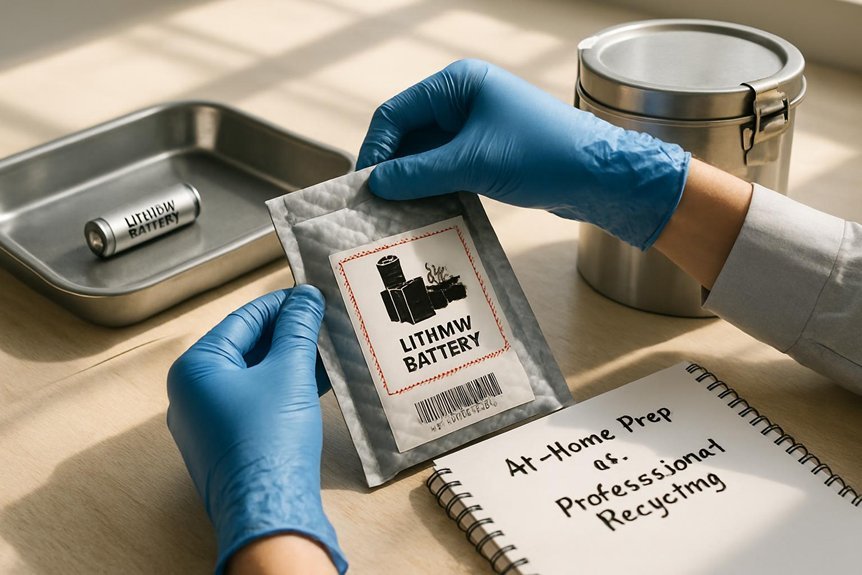
How should we decide between at-home prep and professional recycling? We assess risk, regulatory requirements, and practicality before handling any lithium battery. When we opt for home prep, we confirm that the battery is properly isolated, undamaged, and within safe voltage limits, and we follow strict containment and labeling guidelines. This path emphasizes responsible handling, minimal transport, and compliance with local disposal rules. If the battery shows signs of damage, leakage, or overheating, we prefer professional recycling to guarantee safe processing and environmental protection. We document the battery’s type and destination, preserve proof of recycling, and avoid mixed waste streams. Our choice hinges on safety, regulatory compliance, and the complexity of handling, ensuring responsible disposal through appropriate channels, whether via home prep or professional recycling.
Choose the Right Disposal Option for Your Batteries
Choosing the right disposal option for our batteries starts with a clear assessment of risk, regulatory requirements, and practicality. We then select the option that minimizes harm while complying with rules, including how to handle battery storage until disposal.
Choosing the right disposal option begins with assessing risk, regulations, and practicality to minimize harm.
1) Evaluate facility capabilities and local regulations before deciding between curbside collection, dedicated drop-off, or hazardous waste programs.
2) Confirm labeling and documentation requirements (hazardous waste labeling, manifests) to ensure traceability and compliance.
3) Consider battery chemistry and state of charge to determine suitability for recycling partners or authorized recyclers.
4) Plan ahead for storage safety, using approved containers and separation to reduce fire risk and exposure.
Dispose Small Lithium Batteries: A Step-by-Step Guide
Once the correct disposal option has been identified in our prior step, we now specify how to handle small lithium batteries safely and compliantly. We begin with preparation: collect batteries in a nonconductive container, label it clearly, and avoid metal contacts touching. Prioritize disposal safety by insulating terminals and placing single cells, not packs, in separate, rugged containers. Do not mix damaged or swollen cells with intact ones. Maintain battery storage at moderate temperatures away from heat sources and moisture, and avoid battery recycling streams that aren’t approved for small cells. Transport rules require sealed, leak-proof containers and documentation when needed. Follow local regulations for drop-off sites, and verify accepted battery types with the recycler. Regularly audit storage practices to prevent accidental short circuits and ensure traceability.
Dispose Large Lithium Packs: A Step-by-Step Guide
We’ll outline how to handle large lithium packs safely, starting with proper preparation and documentation. We’ll cover transporting the packs securely and in compliance with regulations, then outline recycling options that minimize environmental impact. By following these steps, we ensure a prudent, precise, and regulatory-aligned process for disposal.
Prepare Large Packs
When preparing large lithium packs for disposal, we start with a careful assessment of the pack’s condition and the surrounding environment to minimize risk.
- We evaluate pack integrity, signs of swelling, leakage, or thermal damage, documenting findings for compliance.
- We verify labeling, documentation, and any safety data sheets to align with regulatory expectations.
- We isolate the pack from other materials and ensure proper grounding, monitoring for heat buildup during handling.
- We review applicable case studies and market trends to inform best-practice disposal pathways and risk controls.
Transport Safely Stepwise
Transporting large lithium packs safely requires a structured, risk-aware approach that builds on prior packing and condition assessments. We guide you through stepwise containment, labeling, and documentation to meet regulatory expectations for hazardous materials. First, verify pack integrity, voltage, and thermal history; reject any signs of damage or swelling. Next, choose appropriate outer containment and cushioning that comply with transport standards, then seal and mark the package with clear battery safety indicators. Maintain complete chain-of-custody records, including transport mode, driver qualifications, and emergency contacts. Use certified carriers familiar with hazardous materials rules, and schedule transfers to minimize exposure and transit time. Finally, implement contingency planning for leaks, fires, or thermal runaway, ensuring responders can access pertinent safety data. This disciplined method reduces risk and supports compliant disposal.
Recycle Properly Dispose
What’s the right way to recycle large lithium packs, and what steps guarantee a compliant, environmentally responsible disposal? We’re guiding you through proper handling, packaging, and destination selection to minimize risk and ensure disposal legality. Our emphasis is on accuracy, safety, and transparent labeling so facilities can assess batteries quickly and correctly. Battery labeling and documentation are essential to verify chemistry, state of charge, and hazard classification before drop-off or pickup.
- Verify disposal legality and local regulations; confirm accepted pack sizes and return programs.
- Prepare packs with proper insulation, terminals protected, and sealed containers to prevent short circuits.
- Label clearly with chemistry, voltage, and SOC; attach all required documentation for facility review.
- Choose certified recyclers or authorized collection points; obtain receipt and tracking information.
What to Do If a Battery Is Damaged or Swollen
If a lithium battery is damaged or swollen, act quickly but calmly to minimize risk and protect people and property. We’ll outline immediate steps to follow and regulatory considerations that keep you compliant. Do not handle a damaged battery with bare hands; use insulated PPE and avoid metal jewelry or tools that can short the cells. If you notice a swollen pack, evacuate the area if needed and contact local authorities or the hazardous-waste program per your jurisdiction. Isolate the device and place it on nonflammable, non-conductive material away from heat sources. Do not discharge, puncture, or attempt to charge or repair. Report the incident to the proper waste stream or recycler to ensure safe, compliant disposal and to mitigate environmental and safety risks.
Verify Recyclers and Reduce Environmental Impact
To verify recyclers and reduce environmental impact, we start by identifying licensed, reputable facilities and confirming they accept lithium batteries from consumer devices. We prioritize compliance with local, state, and federal regulations and require documented manifests for every shipment. We verify credentials, insurance, and proper handling procedures, focusing on safety data sheets and qualified technicians. We assess facility capacity, recycling streams, and end destinations to ensure responsible processing. We request disposal compliance statements and chain-of-custody records before any drop-off or pickup. We also compare accreditation, pricing, and timeliness to minimize delays and waste.
- Verify licenses, certifications, and accepted battery types
- Confirm shipping, packaging, and labeling requirements
- Review chain-of-custody and data security measures
- Assess reporting and environmental impact reduction outcomes
Frequently Asked Questions
Can I Mix Different Lithium Battery Chemistries for Disposal?
We can’t mix different lithium battery chemistries for disposal. Mixing chemistries risks incompatibilities and fires; we strictly follow guidelines, avoid incompatible disposal, and segregate cells by chemistry, size, and hazard level to ensure safe, compliant handling.
How Do I Store Batteries Safely Before Drop-Off?
We store batteries safely by keeping them in a cool, dry place and using the original packaging or a non-conductive container; 90% of fires start with improper storage. We emphasize storing batteries and safe handling for drop-off.
Are There Costs for Recycling Lithium Batteries?
There are cost considerations and potential recycling fees, reader, and yes, some programs charge or waive them depending on location, carrier, and battery type. We evaluate options to minimize costs while meeting regulatory requirements and safety standards.
Can Household Batteries Be Recycled With Lithium Packs?
We can’t mix lithium packs with household batteries; separate handling is required for lithium pack safety reasons. We’ll follow regulations and emphasize household battery recycling guidelines, ensuring safe, compliant disposal and preventing hazards from improper mixed recycling.
What Happens to Batteries at the Recycling Facility?
We take you through what happens at the recycling facility: processes separate metals and plastics, safety steps guard workers, and regulatory inspections assure compliance, while we assess environmental impacts and optimize recovery throughout each stage of the recycling facility processes.
Conclusion
We’ve walked through safe choices for disposing lithium batteries, from identifying type to choosing the right path and securing proper documentation. By following regulatory guidance and using approved containment, you protect people and the environment. Are you ready to commit to compliant disposal, with clear labeling and chain-of-custody for every shipment? Let’s handle each step carefully, document diligently, and minimize risk from small cells to large packs. Your responsible action starts now.