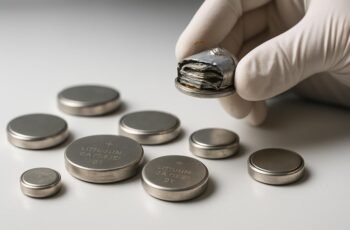
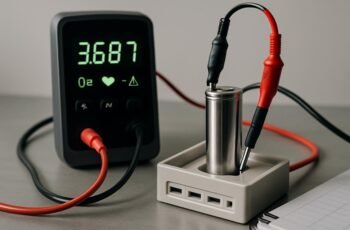
We want to quantify how long a lithium battery lasts, using real-world data and operating conditions. In general, consumer cells endure roughly 300–1,500 full cycles to about 80% capacity, with life shortened by high drains, heat, and aggressive charging. We’ll look at devices—phones, laptops, EVs, grids—and how thermal management, duty cycles, and BMS strategies shape longevity. We’ll also spot signs of aging and practical steps to push the timeline, but there’s more to consider beyond the basics.
Key Takeaways
- Lifespan is measured in cycles, calendar years, and remaining capacity; Li-ion cells typically 300–1,500 cycles to about 80% health.
- Longevity depends on temperature, depth of discharge, and charging strategy; moderate temps with shallow cycles extend life.
- By device class: phones 3–5 years, laptops 4–7 years, EVs 8–15 years, grids decades.
- Rapid charging and high heat accelerate aging; use temperature-aware charging and moderate charging rates.
- Manage expectations with signs like capacity loss and higher resistance; plan replacements based on cycle and calendar aging.
How Long Do Lithium Batteries Really Last?
Lithium batteries don’t have a single universal lifespan; their longevity depends on chemistry, usage, and operating conditions. We quantify life as cycles, calendar years, and capacity retention, not a vague deadline. For Li-ion, typical consumer cells range from 300 to 1,500 cycles before reaching ~80% capacity, with high-drain chemistries skewing lower and robust formats performing better under moderate temperatures. Calendar life depends on storage state of charge and ambient temperature, often limiting year-over-year degradation to single-digit percentages under ideal conditions. In practice, real-world performance reflects pack design, BMS optimization, and duty cycle. We debunk impactful myths and charging myths by emphasizing that gentle cycling, proper thermal management, and manufacturer-recommended charging profiles materially influence outcomes without guaranteeing guarantees.
What Shortens or Extends Lithium Battery Longevity
We’ve covered how lithium battery life is measured and what typical cycles look like; now we can pinpoint what shortens or extends that longevity. Our findings show cycle degradation follows a near-linear trend with depth of discharge and temperature exposure. Higher temperatures accelerate SEI growth and electrode impedance, while frequent deep discharges amplify stress, reducing capacity per cycle. Conversely, moderate temperatures, shallow cycling, and optimized charge protocols preserve material structure. Charging rate matters: ultra fast charging increases instantaneous stress, elevating impedance growth and potential lithium plating risk, shortening calendar life in practice. Material strategies—stable cathodes and robust anodes—mitigate this, and solid state alternatives promise higher safety margins and slower aging under similar usage. Nonetheless, a balanced profile remains essential for longevity.
Lifespan by Device: Phones, Laptops, EVs, and Grids
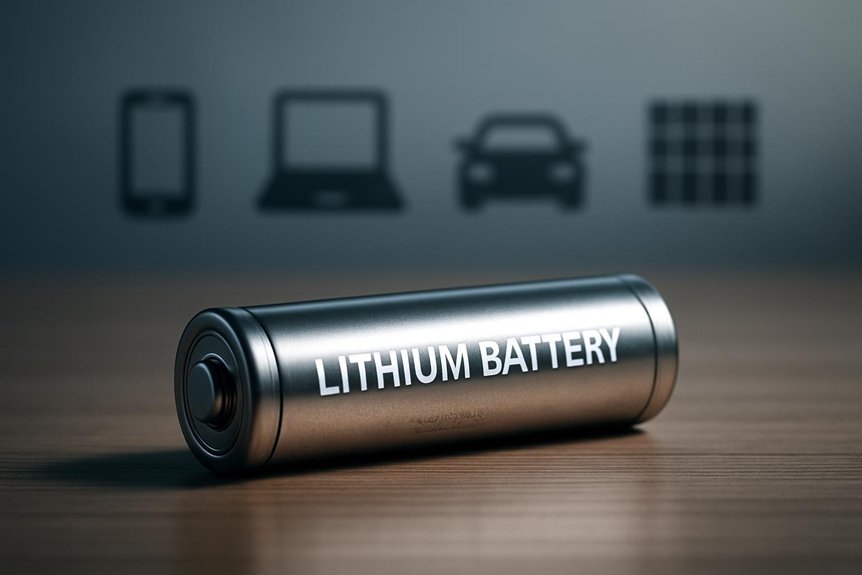
What lifespan differences should we expect across device classes—phones, laptops, EVs, and grids—given usage patterns and thermal management? We analyze cycles, depth of discharge, and operating temperatures to compare expected lifespans. Phones endure rapid charge cycles and compact form factors, often delivering 3–5 years or 500–1000 full-equivalent cycles before noticeable capacity loss. Laptops typically show 4–7 years with 600–1200 cycles, aided by active cooling but constrained by heat in thin chassis. EVs benefit from larger packs and robust thermal management, achieving 8–15 years or 1500–2500 cycles before steep degradation. Grids demand long life and wide-temperature resilience, targeting decades with conservative cycling. Battery chemistry and charging myths influence behavior; real-world longevity hinges on thermal controls, charge rate, and duty cycle rather than single factors.
How to Maximize Battery Longevity in Practice
From the prior discussion, we can apply practical longevity strategies across device classes by focusing on usage patterns, thermal management, and charging behavior. We target predictable stressors that shorten cycle life and capacity retention. Our recommendations center on understanding battery chemistry to optimize state of charge, temperature, and current rates during operation. We emphasize moderate depths of discharge and avoidance of sustained high-voltage charging, which accelerate degradation for most chemistries. We also quantify charging mishaps, such as rapid charging beyond design limits or charger incompatibilities, that introduce transient heat and unnecessary cycles. Implement practical controls: temperature-aware scheduling, phased charging, and calibrated battery management systems. Together, these measures reduce loss mechanisms, extend usable life, and preserve performance across devices without compromising safety or user experience.
Signs Your Lithium Battery Is Deteriorating
Signs your lithium battery is deteriorating can be spotted through measurable changes in performance and behavior. We observe capacity loss beyond baseline, with usable energy dropping faster per cycle and peak voltage sag under load increasing. Cycle life declines when we see reduced full-charge capacity or shortened runtime in routine tests. High internal resistance manifests as greater warming under modest use and elevated voltage recovery times after discharge. Predictive indicators include disproportionate calendar aging relative to cycles and pronounced capacity fade after thermal excursions. Insufficient data can obscure true health, so we rely on repeated measurements rather than a single snapshot. External factors such as charging practices, ambient temperature, and storage conditions must be controlled to avoid misinterpreting symptoms. When anomalies persist, schedule diagnostic checks before evaluating replacement options.
Replacements, Recycling, and When to Upgrade
We’ll outline clear timing for replacements, using performance and capacity benchmarks to guide decisions. We’ll summarize recycling options and safety considerations with data-backed guidelines, and define when an upgrade is warranted by efficiency and energy density trends. We’ll keep the focus sharp on replacement timing, recycling pathways, and upgrade criteria to inform practical, evidence-based decisions.
Replacement Timing Tips
Replacement timing hinges on balancing performance, safety, and total cost of ownership. We guide readers through practical decision points grounded in data: monitor cycle life estimates for your battery chemistry, track calendar aging, and compare replacement costs against expected runtime gains. We emphasize that battery chemistry dictates degradation trajectories; some chemistries tolerate high-cycle use with modest calendar loss, others decline quickly without careful management. We also examine charging hardware implications: faster charging often accelerates wear unless supported by appropriate thermal and voltage controls. We advocate aligning charging profiles with manufacturer recommendations, using calibrated state-of-health metrics, and planning replacements before capacity dips impact critical operations. In short, timing hinges on objective runtimes, trusted SOC/SOH readings, and a clear cost–benefit view that avoids surprise downtime.
Recycling Guidance and Upgrades
How should you approach replacements, recycling, and upgrades to maximize safety, performance, and total cost of ownership? We outline a data-driven framework: assess remaining capacity, internal resistance, and safety margins before considering replacements. Recycling guidance emphasizes proper collection, standardized sorting, and certified processing to recover critical materials with minimal environmental impact. For end-of-life decisions, we quantify residual value from modules, packs, and materials, guiding salvaging versus disposal. Upgrades trends show higher energy density chemistries, improved thermal management, and longer cycle life, shifting economics in favor of staged replacements rather than complete pack swaps. Implement a lifecycle plan, track performance metrics, and align with regulatory requirements. This approach reduces risk, preserves value, and informs timely, cost-effective upgrade choices.
Frequently Asked Questions
Do Lithium Battery Cycles Differ by Chemistry Type?
Yes, lithium chemistry affects cycle differences. We observe distinct cycle life curves across NMC, LFP, and LiCoO2 chemistries, with varying degradation rates, depth-of-discharge sensitivities, and calendar effects, influencing usable cycles and overall battery longevity for each type.
Does Charging Speed Affect Long-Term Capacity Loss?
Charging speed does affect long-term capacity loss: faster charging can increase stress, reducing lifespan unless mitigated by charging efficiency optimizations and robust thermal management. We quantify impacts through cycle counts and temperature controls, maintaining safe operating windows for sustained performance.
Can Storage Temperature Fully Preserve Battery Life?
Storage temperature can’t fully preserve battery life. In a case study, storage at room temp still degrades battery chemistry over time. We observe slower aging but not complete preservation; we’d need sub-zero storage to markedly mitigate losses.
Is Wireless Charging Gentler on Longevity Than Wired?
Wireless charging is gentler on longevity than wired when optimized; we see smaller peak currents and slower heat rise, improving longevity effects. We recommend moderate power profiles and cool-down periods to preserve overall battery health and performance.
Do Third-Party Chargers Impact Battery Lifespan Risks?
Third party chargers can introduce battery lifespan risks if they lack proper regulation; our data show safety-certified charger technology mitigates these risks, but uncertified devices may cause overvoltage or overheating, impacting longevity and performance. We recommend certified solutions.
Conclusion
We’ve seen that lithium batteries age by cycles, heat, and time, with life measured in hundreds to thousands of cycles and years depending on usage. By mastering temperature, charge rate, and duty cycles, we can stretch cycles, maintain capacity, and postpone replacement. Think of longevity as a careful marathon, not a sprint: steady pacing, smart management, and timely upgrades. When deterioration signs appear, plan replacements or recycling to keep systems efficient, safe, and sustainable.