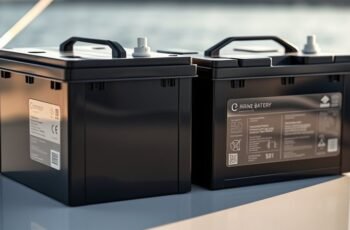
When evaluating solar energy storage options, we recognize that lithium and lead-acid batteries differ markedly in technology, cost, and performance. While lithium batteries offer higher efficiency and longer lifespans, their higher initial investment raises questions about overall value. Conversely, lead-acid systems remain popular due to lower upfront costs but face limitations in lifespan and maintenance. Understanding these distinctions is essential for making informed choices aligned with specific energy needs and sustainability goals.
Key Takeaways
- Lithium batteries have higher energy density and longer lifespan, making them more efficient for solar storage.
- Lead-acid batteries are cheaper upfront but require frequent replacement, increasing long-term costs.
- Lithium batteries require minimal maintenance and are easier to install due to their lightweight, sealed design.
- Lead-acid batteries have an established recycling process, whereas lithium recycling is more complex and developing.
- Lithium batteries offer better performance with more charge cycles, ideal for maximizing solar energy use.
How Do Solar Lithium Batteries and Lead-Acid Batteries Differ in Technology?
Although both solar lithium and lead-acid batteries serve the same fundamental purpose of energy storage, their underlying technologies differ considerably. Lithium batteries utilize advanced electrochemistry with lithium-ion cells, offering higher energy density and longer cycle life. In contrast, lead-acid batteries rely on lead plates submerged in sulfuric acid, making them more bulky and less efficient. Manufacturing challenges are prominent for lithium batteries, particularly in ensuring high purity materials and scalable production processes, which impact sustainability and cost. Battery recycling also differs; lithium batteries pose more complex recycling challenges due to their diverse chemistries, while lead-acid batteries are easier to recycle but raise environmental concerns if improperly disposed of. These technological distinctions influence performance, sustainability, and manufacturing complexity.
Which Battery Type Offers Better Cost-Effectiveness Over Time?

When evaluating long-term cost-effectiveness, lithium-ion batteries generally outperform lead-acid batteries despite higher initial investment costs. A thorough cost comparison reveals that lithium batteries often have lower total ownership costs due to reduced maintenance, higher efficiency, and longer lifespan. Market availability of lithium technology has improved markedly, leading to more competitive pricing and better supply chains, which further enhances their value proposition over time. Conversely, lead-acid batteries require frequent replacements and incur higher operational costs, diminishing their economic appeal. Though the upfront costs for lithium batteries are higher, their durability and efficiency translate into savings over the lifespan of the system. Ultimately, the improved cost profile of lithium batteries makes them a more economically viable choice for long-term solar energy storage.
How Do Efficiency and Lifespan Compare Between Lithium and Lead-Acid Batteries?
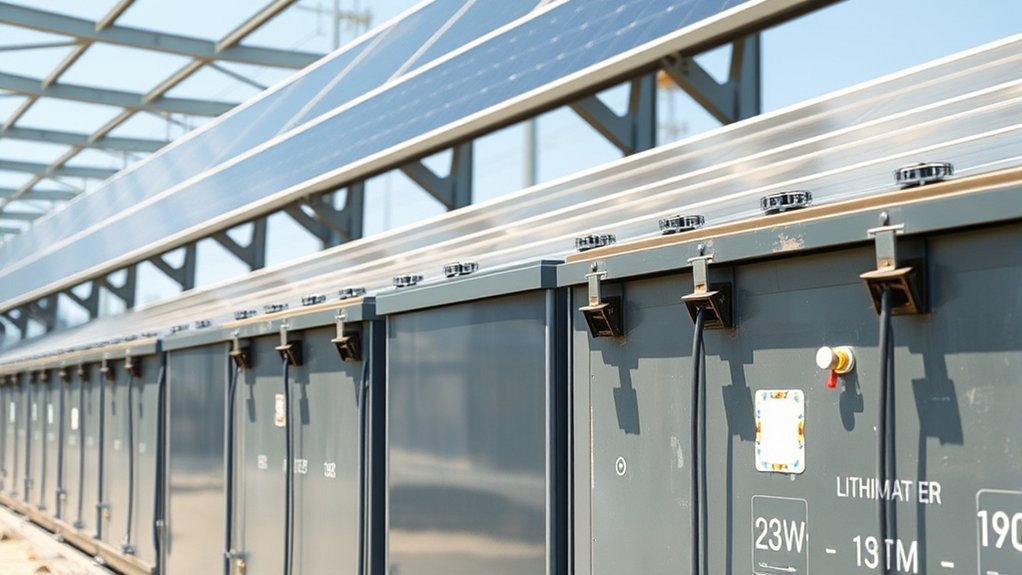
Lithium and lead-acid batteries differ considerably in charge cycle capacity and overall lifespan, impacting long-term performance. Lithium batteries typically offer higher energy efficiency levels, reducing energy loss over multiple cycles, whereas lead-acid units tend to degrade faster. Understanding these differences is essential for optimizing storage system longevity and efficiency.
Charge Cycles and Longevity
Understanding the charge cycle capacity and overall lifespan of solar batteries is essential for optimizing system performance. Lithium batteries typically offer more charge cycles—around 3,000 to 5,000—compared to lead-acid batteries, which average 500 to 1,000 cycles. This greater longevity translates to a longer operational life, reducing replacement frequency and associated costs. Safety considerations are critical, especially since lithium batteries require proper management to prevent thermal runaway, while lead-acid batteries pose risks related to acid leaks. Additionally, battery recycling plays a crucial role in minimizing environmental impact, with lithium batteries being more challenging but increasingly recyclable. Overall, lithium’s higher cycle count and longer lifespan make it a more durable choice, but safety protocols and recycling processes are essential for sustainable deployment.
Energy Efficiency Levels
Energy efficiency directly impacts the overall performance and cost-effectiveness of solar battery systems, making it a key consideration when comparing lithium and lead-acid batteries. Lithium batteries typically exhibit higher energy density, enabling more stored energy per unit volume, which enhances effectiveness. They also have superior charge acceptance and lower self-discharge rates, reducing energy losses over time. Conversely, lead-acid batteries tend to have lower efficiency, with more energy lost during charge-discharge cycles. Additionally, lithium batteries support sustainable practices through easier battery recycling, which can influence lifecycle efficiency. This longevity in recycling processes and higher efficiency levels often translate into better long-term value. Understanding these differences helps optimize system performance and ensures more effective energy management in solar applications.
What Are the Environmental Impacts of Choosing Lithium or Lead-Acid Storage?
While both lithium and lead-acid batteries serve as critical components in solar energy storage, their environmental footprints differ considerably. Lithium batteries generally have lower manufacturing emissions due to more efficient production processes, but they pose significant recycling challenges, especially in extracting valuable materials like lithium and cobalt. Lead-acid batteries, on the other hand, have a well-established recycling infrastructure, which minimizes waste and reduces environmental contamination. However, their manufacturing involves higher emissions and the use of toxic lead, posing risks during production and disposal. Overall, lithium batteries offer potential environmental benefits but require advancements in recycling technology to mitigate resource depletion. Conversely, lead-acid batteries, while easier to recycle, carry greater risks from toxic materials and higher emissions during manufacturing.
Which Battery Is Easier to Maintain and Install?
When comparing the maintenance and installation requirements of lithium and lead-acid batteries, lithium batteries generally present a more straightforward process due to their modular design and sealed construction. Lithium batteries are lighter, reducing handling difficulty during installation and minimizing structural support needs, consequently lowering installation complexity. They require minimal maintenance, as they do not need regular watering or equalization charges like lead-acid units. Lead-acid batteries, on the other hand, are heavier, necessitating more effort and equipment for safe handling and setup. Additionally, their venting requirements and periodic maintenance increase overall complexity. The sealed nature of lithium batteries eliminates the need for ventilation and reduces ongoing upkeep, making them more user-friendly for installation and long-term maintenance.
Which Storage Solution Is Better Suited for Your Energy Needs?
Choosing the appropriate storage solution depends on evaluating your specific energy consumption patterns and long-term goals. Lithium batteries generally offer higher storage capacity in a lighter package, reducing overall battery weight and easing installation constraints. Lead acid batteries, while heavier, tend to have lower upfront costs but require more space and frequent maintenance. To determine the best fit, consider the following:
| Parameter | Lithium Battery | Lead Acid Battery |
|---|---|---|
| Battery weight | Lighter, easier to install | Heavier, more demanding in setup |
| Storage capacity | Higher, efficient for larger loads | Lower, suitable for smaller needs |
| Long-term use | Better longevity and efficiency | Shorter lifespan, more replacements |
Frequently Asked Questions
How Do Temperature Variations Affect Lithium and Lead-Acid Battery Performance?
Temperature variations impact lithium and lead-acid batteries differently; lithium offers better thermal stability, reducing voltage fluctuations, while lead-acid batteries experience more significant performance drops and instability under extreme temperatures, affecting overall efficiency and longevity.
What Safety Concerns Are Associated With Each Battery Type?
Did you know lithium batteries have a 10-year lifespan, while lead acid batteries last about 5 years? Safety concerns include thermal runaway in lithium, risking fire, and acid leaks in lead acid, impacting long-term cost implications and operational safety.
Are There Recycling Programs Available for Lithium and Lead-Acid Batteries?
We find recycling programs for lithium and lead-acid batteries are available, focusing on sustainable recycling processes that extend battery lifespan. These programs help mitigate environmental impact, though lithium recycling remains less widespread than lead-acid.
How Do Charging Times Compare Between Lithium and Lead-Acid Batteries?
We observe that lithium batteries charge faster, boosting cost efficiency and extending battery lifespan, while lead-acid batteries take longer, reducing overall efficiency; understanding these differences helps optimize energy storage and investment in solar systems.
Can Lithium Batteries Function Effectively in Cold Climates?
We find lithium batteries can operate effectively in cold climates with proper thermal insulation, which helps maintain ideal temperature, thereby enhancing battery longevity and performance, making them a reliable choice despite low temperatures.
Conclusion
Ultimately, choosing between lithium and lead-acid batteries hinges on your specific energy needs and long-term goals. While lithium offers higher efficiency and durability, lead-acid remains a viable, cost-effective option for certain applications. Have we fully considered the environmental and maintenance implications of each? By analyzing these factors critically, we can make a more informed decision that optimizes both performance and sustainability for your solar energy system.