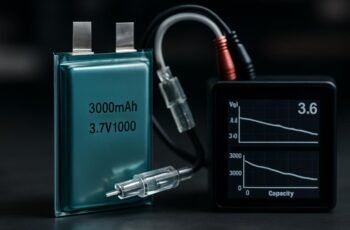
We understand LiPo safety can feel restrictive, but disciplined practice prevents dangerous outcomes. We’ll outline clear steps for monitoring voltage, balancing during charge, and watching temperature and sag, then explain proper storage and disposal so you aren’t left guessing. Our method is precise and repeatable, reducing risk without slowing you down. If you encounter swelling, heat, or venting, we’ll show you exactly how to respond, and why knowing the disposal path matters as a final safeguard.
Key Takeaways
- Regularly monitor charging voltage, temperature, and cell balance to prevent overcharge, undercharge, or overheating.
- Use a quality charger with proper balance charging and verify pack voltage before each charge.
- Store LiPo packs at 40–60% SOC in a cool, dry environment and avoid deep discharge.
- Inspect packs for swelling, heat, or damage; isolate and document any signs of distress immediately.
- Contain and dispose of damaged or swollen packs through certified programs, with proper safety and record-keeping.
LiPo Battery Safety: Core Principles You Should Know
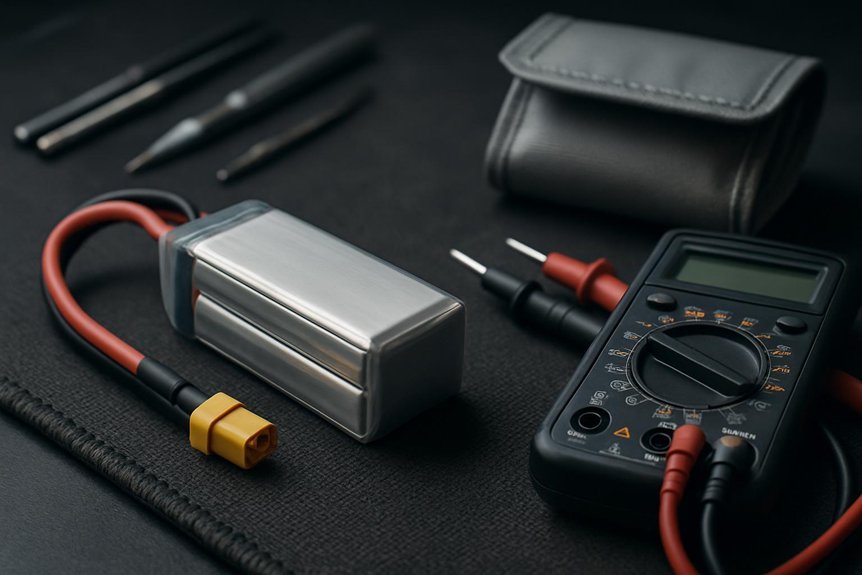
LiPo battery safety hinges on controlling voltage, current, temperature, and physical integrity. We adopt a disciplined approach to avoid risks, outlining core principles we expect you to follow. We monitor charge voltage limits strictly, preventing overcharge and undercharge scenarios that destabilize cells. We regulate discharge rates to maintain chemical balance and minimize heat generation. We track ambient and pouch temperatures, pausing use if thresholds are exceeded. We ensure mechanical protection to prevent puncture, swelling, or impact damage that can escalate to thermal runaway. We implement safe handling practices, using dedicated chargers, balancers, and monitoring devices. We define disposal steps clearly, segregating damaged packs and following local regulatory protocols. By adhering to these principles, we maintain predictable performance and reduce incidents.
Understanding LiPo Basics Before Storage
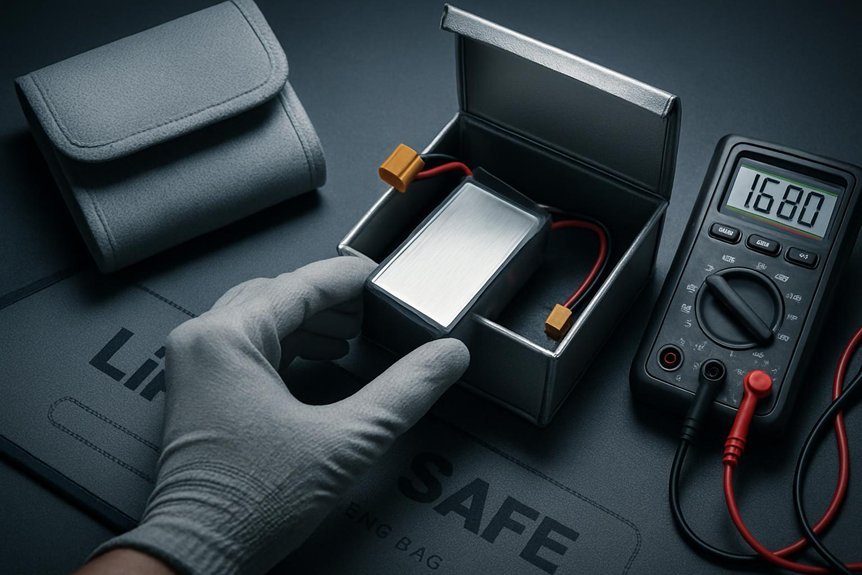
We start by outlining LiPo storage basics, including temperature control, storage duration, and the rationale for partial-state voltages. We’ll explain how to gauge cell voltage levels before storage and why maintaining cells within recommended ranges prevents capacity loss and swelling. Finally, we’ll cover safe charging practices to achieve the target voltage and how to verify balance across all cells for stable storage.
LiPo Storage Basics
Proper storage of LiPo packs is essential to preserve capacity and safety. We approach storage by confirming the pack is within a known, balanced state, and we verify connector, terminal cleanliness, and case integrity. We store at a defined nominal voltage per cell, avoiding deep discharge or full charge for extended periods. We adjust temperature exposure, favoring a cool, dry environment and consistent humidity levels. We monitor for swelling, leakage, or corrosion, and we segregate damaged packs from healthy ones. We address lipo myths by sticking to verifiable data, not anecdotes, and we reinforce charging fundamentals: never store at peak charge, and whenever possible, perform a midterm balance check before long-term storage. This disciplined protocol minimizes capacity fade and enhances safety.
Understanding Cell Voltage Levels
Ever wonder how cell voltage reflects LiPo health and readiness before storage? We’re focusing on voltage levels to gauge balance and readiness, not capacity. We measure each cell’s voltage, watch for a voltage plateau during discharge, and identify cell imbalance early to prevent latent damage. A stable plateau indicates uniform aging; deviations flag potential weak cells needing attention before storage. Consistent per-cell voltages near 3.7–3.8V suggest safe resting conditions, while gaps beyond 0.1–0.2V reveal imbalance risk. Below 3.6V or above 4.2V indicates unsafe states. Use this table as a quick reference for targets and alerts.
| Cell voltage (V) | Imbalance cue | Action |
|---|---|---|
| 3.7–3.8 | None | Maintain |
| 3.5–3.6 | Minor | Monitor/Balance |
| <3.4 or >4.2 | Critical | Stop, rebalance |
Safe Charging Practices
Are LiPo batteries ready for storage only after a proper charge? We approach safe charging as a defined process before storage. We verify pack voltage and cell balance, then connect to a quality charger with a matching charge profile. We target a conservative charge cutoff, avoiding overcharge while achieving stable electrolyte balance across cells. We confirm cell synchronization through routine balancing during charging, not after. We inspect temperature, connector integrity, and pack sag, stopping if deviations exceed specifications. We use balanced charging, monitor voltage per cell, and document the final resting voltage for storage. We emphasize safe charging practices to minimize LiPo degradation and risk, and we record the date and conditions. This disciplined workflow preserves capacity, consistency, and long-term health.
How to Store LiPo Packs for Long-Term Health
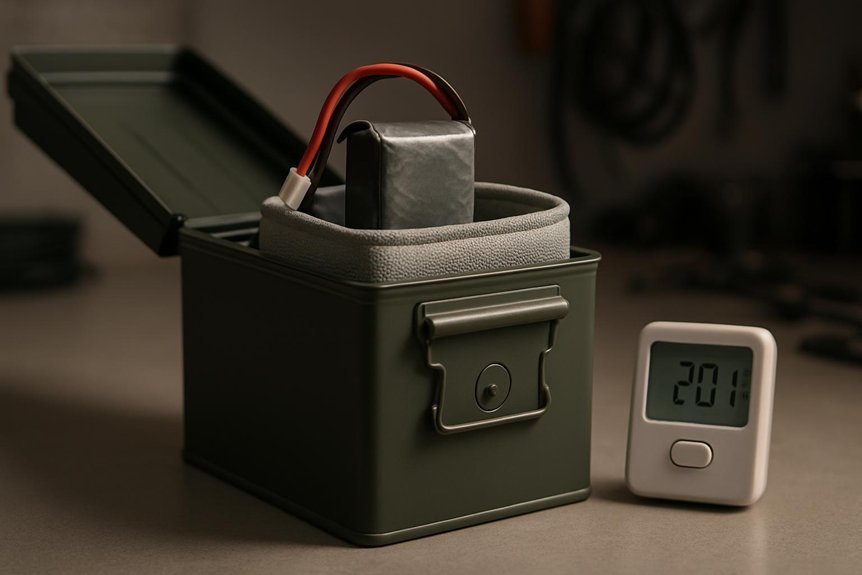
We store LiPo packs at a controlled temperature, typically around 0–25°C, to minimize capacity loss and chemical degradation. We also follow specific charge level guidelines, keeping packs at about 40–60% state of charge for long-term health. Finally, we implement long-term storage practices that protect from moisture, physical damage, and voltage drift, with periodic checkups to confirm stability.
Battery Storage Temperature
Proper LiPo storage temperature is essential for long-term cell health. We maintain a controlled storage environment by selecting a stable, cool setting and monitoring ambient conditions. Temperature stability minimizes voltage drift and self-discharge, preserving pack balance and capacity. We target a narrow band around 10–20°C for long-term storage, avoiding extremes that accelerate degradation. If storage temperatures shift, we document changes and re-evaluate the pack’s state before reintroduction to service. The following table emphasizes the key idea of maintaining stability:
| Parameter | Target Range | Rationale |
|---|---|---|
| Ambient temp | 10–20°C | Minimizes chemical stress and leakage risk |
| Humidity | Low | Reduces corrosion and impedance growth |
| Ventilation | Adequate | Prevents condensation and hot spots |
Charge Level Guidelines
Maintaining a stable charge level is the next step in preserving LiPo health once storage temperature is controlled. We establish target storage voltages and verify pack chemistry compatibility before any long-term conditioning. For packs stored idle, we recommend a nominal cell voltage of about 3.7 to 3.85V per cell, measured under balanced conditions, with a total pack voltage aligned to the number of cells. We avoid partial charging beyond the target window, and we track cumulative aging indicators to detect drift. We document initial voltage, cell balance status, and any deviations. We emphasize disciplined procedures to minimize forgetting safety and misinterpretation of readings. Improper terminology leads to misinformed decisions; our guidelines require using calibrated tools, consistent measurement points, and conservative assumptions when estimating remaining capacity during storage.
Long-Term Storage Practices
What are the essential steps for storing LiPo packs long-term to preserve chemistry and capacity? We approach storage with disciplined procedure. First, we verify a nominal 3.8 to 3.85 V per cell at rest and balance before containment. Next, we discharge to a safe 2.8 to 3.0 V per cell if storage voltage is not already in range; avoid deep discharge. Store in an environment at 3–25°C with low humidity, using a fireproof, insulated container. Use partial charging after aging to prevent self-discharge drift, and monitor monthly for voltage and temperature anomalies. Track cycles and conditions for storage optimization, and implement cost considerations by choosing durable packs and sleeves. Recheck voltage before reuse, recondition if necessary, and label storage dates for traceability.
Charging LiPo Packs Correctly: Do’s and Don’ts
Charging LiPo packs correctly requires strict adherence to best practices to prevent damage or safety risks. We, as stewards of performance, outline clear do’s and don’ts. Do verify cell balance before each charge and use a compatible charger with proper LiPo settings. Do monitor voltage per cell, stopping at the recommended maximum (usually 4.2V) to prevent overcharge. Don’t mix packs or use damaged leads; replace frayed connectors and torn insulation. Do enable a dedicated charging area with fire containment and a smoke alarm, never charging unattended near flammables. Do favor lower-rate charging when possible and avoid high-temperature environments. Don’t ignore manufacturer specs or bypass safety features. Remember charging safety, battery charging tips, and keep logs of cycle counts and voltages for ongoing health assessments.
Quick Signs of Swelling, Heat, or Damage to Watch For
Have you spotted any early warning signs of swelling, overheating, or damage in LiPo packs? We’ll outline quick indicators we monitor routinely. Look for swelling from gas buildup, which alters flat surfaces and creates a bulbous outline; any distortion signals internal cell stress. Heat warrants immediate attention; touch should reveal only mild warmth during normal use, not sustained hot spots. Edges that separate from the pouch, tamper seals that peel, or a crack along the casing indicate structural compromise. Unusual venting, popping, or a thin, acrid smell are nonnegotiables for inspection. Moving patterns of the pack’s flex during handling may betray internal impedance shifts; aesthetic design should not disguise dramatic changes in behavior. If observed, isolate the pack and document the signs for further review.
What to Do If a LiPo Issue Occurs and Safe Disposal Steps
If a LiPo issue is suspected, we stop using the pack immediately, isolate it from any devices and power sources, and begin a controlled response to minimize risk. We then assess visible damage, confirm battery status, and deploy appropriate containment. For swollen or venting cells, we place the pack in a non-flammable, fireproof container, such as a metal or ceramic bin, and monitor temperature while avoiding puncture or pressure. Do not apply water directly to active flames; use Class D or ABC extinguishers as needed. Initiate Emergency response by notifying teammates and local authorities if risk escalates. When disposal becomes necessary, follow LiPo disposal guidelines via certified e-waste or hazardous-material programs. Document serials, incident details, and disposal method for traceability and safety audits.
Frequently Asked Questions
How Often Should I Calibrate My Lipo Battery Voltage Gauge?
We calibrate our LIPO voltage gauge every 10 cycles to ensure gauge accuracy. This calibration frequency maintains precision, accounts for voltage drift, and minimizes misreadings; follow the procedure precisely, document results, and re-calibrate if deviations occur.
Can Lipo Packs Be Recycled at Regular Electronics Stores?
Yes, we can’t recycle LiPo packs at regular electronics stores; use proper recycling options. We’ll guide you to certified facilities, check for store drop off programs, and ensure safe containment and transport per hazardous-material guidelines.
Do Different Brands Require Different Storage Temperatures?
Yes, different brands can have distinct storage guidelines and temperatures, so we monitor brand temperature specs and follow manufacturer storage guidelines precisely, coordinating our approach to ensure consistent performance and safety across all LiPo packs we handle.
Is It Safe to Use a Lipo Battery in Extreme Cold?
We don’t advise using a LiPo battery in extreme cold; significant risk persists. We’ll follow safety precautions: minimize exposure, pre-warm cells, monitor voltage, and avoid charging below 0°C to curb extreme cold risk and thermal damage.
What Are Quiet Warning Signs of Hidden Internal Damage?
We acknowledge your offbeat concern; quiet warning signs of hidden internal damage include subtle capacity loss, intermittent voltage dips, rising internal resistance, and unexplained heat. We address this as an unrelated topic, methodically, to reassure reader trust.
Conclusion
We know LiPo care isn’t optional—it’s method, not mystery. Think of charging like tuning a precision instrument: balanced, conservative, checked. When a pack swells or heats, we pause, evacuate, and segregate for proper disposal. In practice, we store at 40–60% SOC, 10–20°C, and monitor voltage per-cell before charging. Anecdote: a technician’s note—one degree of overcharge can ripple into failure. Data point: balanced charging reduces imbalance by up to 20%. Stay calm, follow steps, ensure safe outcomes.