Think of lithium batteries as tightly wound potential—power we rely on, but must handle with care. We practice deliberate charging, correct chargers, and avoidance of heat or overcharging, while storing at cool, dry places with a 40–60% charge for long periods. We’ll watch for signs of trouble, follow manufacturer guidance, and know what to do if damage occurs. Stay with us as we outline practical steps to keep you and your spaces safer, and what to do when things don’t go as planned.
Key Takeaways
- Lithium batteries can be safe when used with proper charging, storage, and handling practices and regular safety checks.
- Thermal runaway, swelling, or leaks require immediate cooling, isolation, and follow-up inspection or replacement.
- Use approved chargers, avoid overcharging, and store at 40–60% SOC in cool, dry environments.
- Spot warning signs (heat, odor, swelling, performance drop, crackling) mandate stopping use and assessing integrity.
- For fleets or workplaces, establish dedicated charging zones, ventilation, BMS use, trained staff, and incident documentation.
Why Lithium Batteries Pose Safety Risks and What to Expect
Lithium batteries carry significant safety risks that you should understand upfront. We approach these risks with a clear, structured lens, outlining what can go wrong and how we respond. Thermal runaway remains a core concern, so we examine how internal faults, external damage, and improper charging can trigger rapid heat buildup. We also consider mechanical damage, over-discharge, and exposure to high temperatures, all of which elevate the probability of short circuits or fires. Our focus is on risk assessment: identifying scenarios, evaluating likelihood, and implementing controls before issues arise. Regulatory compliance guides our steps, ensuring we follow safety standards, labeling, and testing requirements. We’ll emphasize precautionary, evidence-based practices, avoiding assumptions while preparing to prevent incidents through disciplined planning.
Daily Habits for Safe Charging, Storage, and Handling
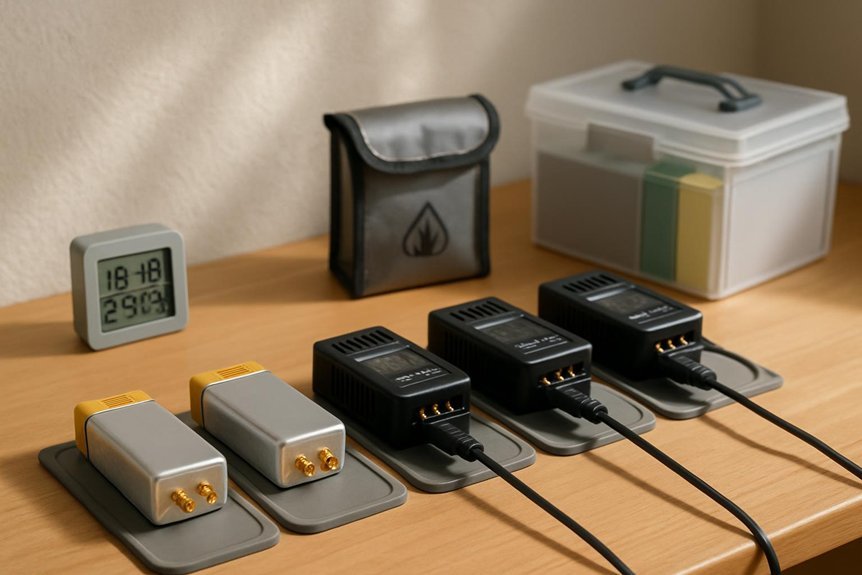
Are you maintaining safe charging, storage, and handling practices every day? We start with disciplined daily habits that minimize risk and extend battery life. Our daily charging rituals center on using the correct charger, avoiding overcharging, and unplugging once full. We keep devices away from heat sources and never charge overnight in beds or cushions. For safe storage practices, we store batteries in cool, dry places, roughly 40–60% state of charge for long-term periods, and prevent contact with metal objects. Handling stays deliberate: avoid drops, inspect for damage, and never use damaged packs. We don’t debería mix incompatible devices or adapters. By following these routines, we reduce thermal stress, chemical exposure, and accidental fires, preserving performance while protecting people and surroundings.
How to Spot Warning Signs Before a Failure
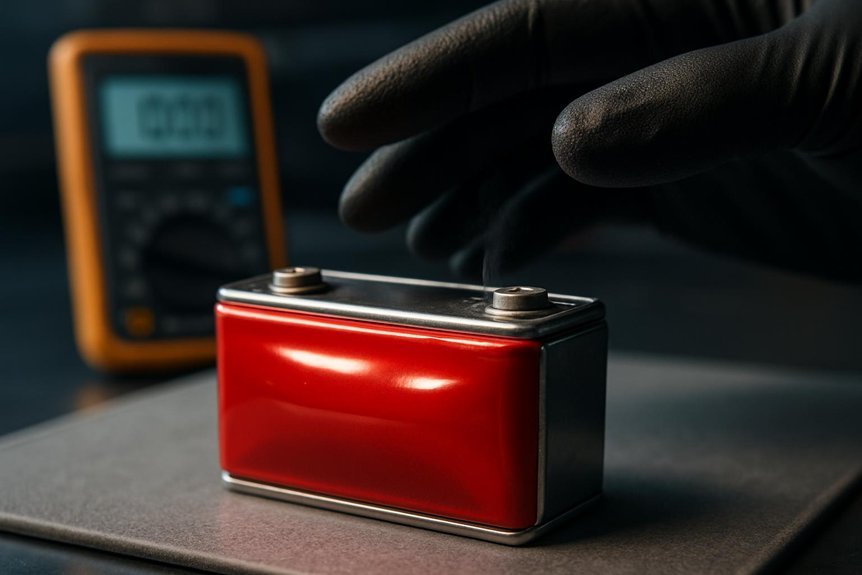
We’ve covered daily habits that minimize risk, now we turn to spotting trouble before it escalates. We stay vigilant by recognizing subtle changes early: unusual warmth, swelling, or odor; rapid capacity drop; or sudden dimming of LEDs. If any anomaly appears, we pause use, inspect connections, and avoid charging indoors. Monitoring temperature profiles during operation helps identify overheating trends, a hallmark of potential failure. When you notice inconsistent performance, treat it as a warning and reassess with a cautious approach. We emphasize documenting events and following manufacturer guidance. Table below illustrates key indicators and actions.
| Indicator | Action |
|---|---|
| Unexplained heat | Stop, cool, inspect |
| Odd odor or swelling | Isolate, replace if needed |
| Performance drop | Test, verify integrity |
| Audible crackling | Discontinue use immediately |
Home and Workplace Safety Measures for Lithium Use
We must stay vigilant at home and in the workplace by designing and following clear safety protocols for lithium use. We outline routine measures that minimize risk, from storage layout to maintenance checks. First, enforce organized spaces that support safe storage, keeping batteries away from heat sources, moisture, and flammable materials. Implement labeled zones, dedicated charging areas, and clear spill procedures, with only approved chargers and adapters. Schedule regular inspections for signs of wear, swelling, or corrosion, documenting findings and corrective actions. Train staff and households on emergency steps, including proper fire response and evacuation. Provide recycling guidance, ensuring collected units reach authorized facilities. Finally, review procedures quarterly, updating controls as technology and standards evolve. Consistency and vigilance protect people, property, and operations.
Safe Handling of Damaged or Swollen Packs
Damaged or swollen lithium packs pose serious fire and chemical risks, so handle them with immediate, deliberate care. We, as readers, must act with restraint and a clear plan. First, avoid touching exposed terminals or punctured cells; keep distance, and don’t press or bend the package. Move the object to a nonflammable surface, away from flammable materials. Notify appropriate authorities or building management, and follow their instructions for disposal or transfer to a certified recycler. Do not seal swollen packs in airtight containers; increase ventilation and place them in a cool location if safe to do so. Document visible damage, battery type, and serial details for reporting. If you suspect leakage or heat, evacuate nearby occupants and call emergency services.
Emergency Steps and Evacuation Guidance for Incidents
When a lithium battery incident occurs, act quickly and deliberately to minimize risk: assess the situation, alert others, and initiate appropriate response steps without delay. We guide you through precise emergency steps and clear evacuation guidance to limit harm.
| Step 1 | Step 2 |
|---|---|
| Assess the scene and extinguish small fires if trained. | Evacuate by the shortest safe path, close doors if possible. |
| Notify authorities and teammates; keep others away. | Use a nonflammable container for safe containment if needed. |
We then isolate the area, ventilate if safe, and await professional help. Stay calm, document key details, and prevent unnecessary exposure. Remember: emergency steps must be followed methodically, and evacuation guidance prioritizes your safety and that of others. We act together to minimize risk and ensure a controlled, informed response.
Safer Practices for Fleets and Electronics Users
Could tighter control of charging and handling reduce risk for fleets and electronics users? Yes, it can. We adopt disciplined routines, monitor temperatures, and verify charging parameters before every deployment. We separate high‑risk devices, inspect batteries for signs of wear, and train staff to recognize dangerous anecdotes and recycled myths alike. We document incidents and near misses to drive improvement, not blame. Our procedures emphasize isolation, proper storage, and prompt response to abnormalities.
- Establish dedicated charging zones with ventilation and fire suppression
- Use manufacturer‑approved chargers and battery management systems
- Inspect, log, and retire cells showing swelling, leaks, or heat rise
- Prohibit unauthorized modifications and DIY repairs
- Review lessons learned to counter recycled myths and prevent recurrence
Frequently Asked Questions
Can Lithium Batteries Be Recycled Safely at Home?
We can’t recycle lithium batteries safely at home. We avoid at-home recycling due to safety risks; instead, we follow proper channels for recycling at home, minimizing environmental impact, and guiding others toward certified programs to reduce environmental impact.
Do All Chargers Protect Against Overcharging Automatically?
Surely not all chargers protect against overcharging automatically; some lack safeguards, so we must choose carefully, use reputable models, and monitor. We consider unrelated premise and charger warranties while we assess safer charging practices for you and us.
How Do I Dispose of Damaged Packs Safely?
We dispose of damaged packs by contacting local hazardous waste programs and following their instructions, prioritizing disposal safety; never puncture or compress them. We handle damaged pack handling with protective gear, and transport them in nonconductive containers to authorized recyclers.
Are There Temperature Limits for Charging Outdoors?
We stand by the cautious flame: outdoor charging limits exist, and ambient temperature effects matter. We limit charging when temperatures stray from 0–40°C, and monitor promptly to prevent risks, ensuring safe, reliable performance outdoors.
What Grants or Programs Support Safe Lithium Use?
We can point you to grants for safety and programs promoting safe use. We review options, eligibility, and application steps, and we implement compliant practices. We’ll guide you methodically, precociously, and with precaution, ensuring responsible lithium battery deployment.
Conclusion
We understand these batteries power our lives, yet demand our vigilance. Picture a quiet fusebox—tiny sparks hidden inside, begging for respect. By charging correctly, storing cool and dry, and inspecting signs of trouble, we keep the glow from turning to blaze. When damage appears, we pause, evacuate, ventilate, and call in the pros. With steady habits, we turn potential hazards into safe, dependable power for everyday moments, and protect both people and property.