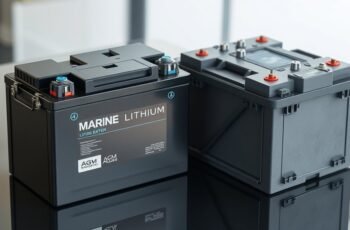
Understanding how different lithium chemistries influence battery lifespan is essential for making informed choices in various applications. Each chemistry offers unique trade-offs in longevity, safety, and performance, which can substantially impact long-term reliability. As we examine these distinctions, it becomes clear that selecting the appropriate chemistry requires careful consideration of specific use cases and expected lifespan. Exploring these factors further can help optimize battery selection and management strategies.
Key Takeaways
- Lithium iron phosphate (LiFePO₄) batteries generally have a longer lifespan due to higher chemical stability and better thermal resistance.
- Lithium cobalt oxide batteries tend to degrade faster with shorter cycle life despite higher energy density.
- Chemistries with stable electrolytes and thermal stability exhibit reduced capacity fade and extended durability.
- Battery aging signs include capacity loss, increased internal resistance, and performance decline, which vary by chemistry.
- Proper usage, temperature control, and manufacturing quality significantly influence lifespan differences among lithium battery chemistries.
How Different Lithium Battery Chemistries Affect Longevity
Although all lithium battery chemistries share core principles, their specific chemical compositions substantially influence lifespan and cycle stability. Variations in electrolyte stability are critical; stable electrolytes minimize decomposition, reducing capacity fade over time. Different chemistries, such as lithium cobalt oxide or lithium iron phosphate, exhibit distinct electrolyte interactions that impact longevity. Manufacturing quality also plays a pivotal role, as precise assembly and strict quality controls reduce defects, impurity inclusion, and internal resistance increases, all of which adversely affect cycle life. Chemistries with inherently stable electrolytes and rigorous manufacturing standards tend to demonstrate superior durability and consistent performance. Understanding these core chemical differences enables better prediction of battery lifespan and informs choices aligned with application-specific demands.
Lithium-Ion Batteries: Lifespan Factors and Expectations
Lithium-ion batteries’ lifespan is primarily determined by a combination of electrochemical, mechanical, and environmental factors that influence their cycle life and capacity retention over time. Electrochemical stability and electrode degradation directly impact overall longevity, while mechanical stresses from repeated charge cycles accelerate capacity fade. Environmental conditions like temperature fluctuations further exacerbate deterioration. Manufacturing processes play a essential role, affecting initial quality and long-term durability. Proper battery recycling practices are indispensable to mitigate resource depletion and minimize environmental impact, indirectly extending usable life by promoting sustainable lifecycle management. Understanding these factors allows for optimized design and usage strategies, ensuring maximum lifespan. Consequently, ongoing advancements in manufacturing and recycling techniques are indispensable for enhancing the durability and sustainability of lithium-ion batteries.
Lithium Polymer Batteries: Durability and Usage Considerations
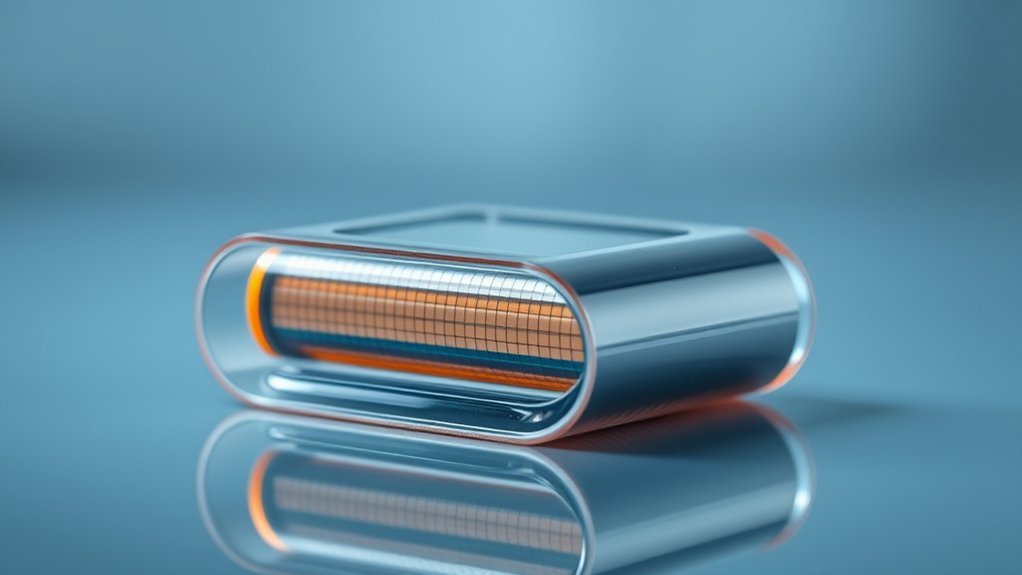
What makes lithium polymer (LiPo) batteries particularly durable and suitable for specific applications is their flexible form factor and stable chemistry, which enable high energy density and lightweight design. These attributes make them ideal for compact devices, RC models, and drones. Their durability depends on proper usage, including avoiding over-discharge and excessive charging cycles. From an environmental perspective, LiPo batteries pose challenges in battery recycling due to their complex construction, which complicates disposal and increases environmental impact. While they generally have a longer lifespan than some alternatives, improper handling accelerates degradation. Consequently, optimizing usage and establishing efficient recycling protocols are essential to minimize environmental footprint. Understanding these factors helps ensure responsible deployment and disposal, balancing performance with environmental sustainability.
Lithium Iron Phosphate (LiFePO₄): How Chemistry Extends Battery Life
Lithium Iron Phosphate (LiFePO₄) batteries distinguish themselves through their unique chemical stability, which directly contributes to an extended operational lifespan. This stability reduces capacity fade over cycles, enhancing long-term performance. Additionally, LiFePO₄ chemistry minimizes thermal runaway risks, improving safety and durability. When considering battery recycling, LiFePO₄’s stable chemistry simplifies disassembly and reduces hazardous waste, positively impacting environmental footprint. The table below highlights key aspects:
| Aspect | Impact |
|---|---|
| Chemical Stability | Extends lifespan, reduces degradation |
| Thermal Safety | Less risk of thermal runaway, durable operation |
| Recycling & Environment | Easier recycling, lower environmental impact |
This chemistry’s resilience supports eco-friendly practices and prolongs battery usability, fostering sustainability in energy storage.
Comparing Lithium Battery Types: Which Lasts the Longest?
When comparing different lithium battery chemistries, it becomes clear that their longevity varies considerably based on their chemical composition and design. Lithium Iron Phosphate (LiFePO₄) batteries typically last longer due to stable cycling and thermal stability, while Lithium Nickel Manganese Cobalt Oxide (NMC) offers higher energy density but shorter lifespan. Manufacturing processes influence durability; batteries produced with rigorous quality control tend to degrade more slowly. Additionally, battery recycling methods impact lifespan by enabling the reuse of materials, reducing degradation from manufacturing impurities. Chemistries optimized for longevity often involve complex manufacturing techniques that enhance cycle stability. Ultimately, selecting a chemistry involves balancing lifespan, energy density, and sustainability practices to guarantee the longest usable life.
Factors Influencing Lithium Battery Degradation Over Time
Several factors contribute to the degradation of lithium batteries over time, affecting their capacity and lifespan. Environmental factors, such as temperature fluctuations and humidity, accelerate chemical breakdown and electrode deterioration. Manufacturing quality influences internal consistency, impacting how evenly the battery degrades. Additionally, high charge/discharge rates induce stress on electrodes, leading to capacity fade. Mechanical stress and repeated cycling cause structural damage within the cell. Contaminants or impurities introduced during manufacturing can catalyze undesirable reactions. Over time, electrolyte decomposition occurs, reducing efficiency. These interconnected factors highlight the importance of controlled environments and high manufacturing standards in prolonging lithium battery longevity.
- Temperature variations
- Humidity exposure
- Charge/discharge rates
- Mechanical stress
- Manufacturing quality
Tips to Maximize Your Lithium Battery’s Lifespan Based on Chemistry
To effectively extend your lithium battery’s lifespan, it’s essential to understand how its chemistry responds to usage patterns and environmental conditions. Proper charging habits are critical; avoiding frequent full discharges or overcharging minimizes stress on the battery’s chemistry, thereby prolonging its cycle life. For certain chemistries, maintaining an ideal charge window—typically between 20% and 80%—reduces degradation. Additionally, adopting responsible battery recycling practices ensures the sustainability of battery materials and reduces environmental impact. Temperature control is also crucial, as high temperatures accelerate chemical breakdown. By understanding these chemistry-specific responses, we can maximize usage and maintenance strategies, ultimately extending lifespan. Proper handling, combined with informed charging habits and battery recycling, creates a holistic approach to sustaining lithium battery health over time.
When to Replace Your Lithium Battery and How Chemistry Plays a Role
The chemistry of a lithium battery directly influences its overall lifespan and the most suitable time for replacement. As the chemistry degrades, we observe specific signs such as capacity loss and increased internal resistance. Understanding these indicators helps determine when the chemistry no longer supports reliable performance.
Impact of Chemistry on Longevity
Chemistry fundamentally influences a lithium battery’s lifespan by determining its capacity to sustain charge cycles and resist degradation over time. Different chemistries, such as NMC, LFP, or NCA, exhibit distinct aging profiles affecting longevity.
- Cycle life varies based on electrode chemistry, impacting how many full charge-discharge cycles a battery endures.
- Degradation mechanisms differ; some chemistries are more prone to capacity fade or internal resistance growth.
- Thermal stability influences aging; chemistries with higher stability typically last longer under thermal stress.
- Environmental impact is affected by the choice of chemistry, influencing battery recycling efficiency and disposal considerations.
- Battery recycling potential depends on chemistry, affecting material recovery and ecological footprint.
Understanding these factors helps optimize longevity and reduces environmental costs associated with premature replacements.
Signs It’s Time to Replace
As lithium batteries age, their performance declines in ways that can signal it’s time for replacement. Reduced energy density diminishes their capacity to hold charge, resulting in shorter operational periods. Additionally, a noticeable increase in self-discharge rates indicates degraded internal chemistry, often linked to specific chemistries. When battery performance becomes unreliable, it’s prudent to evaluate proper battery recycling options, as continued use may pose safety risks. Monitoring voltage levels and capacity fade provides quantitative indicators for replacement timing. Chemistry type influences how quickly these signs manifest; for example, lithium cobalt oxide batteries typically show capacity loss sooner than lithium iron phosphate variants. Recognizing these signs ensures ideal device performance and aligns with sustainable practices centered on battery recycling efforts.
Frequently Asked Questions
How Does Temperature Impact Different Lithium Battery Chemistries?
Temperature greatly impacts lithium battery chemistries by affecting thermal stability and accelerating degradation mechanisms, leading to capacity loss and safety risks; understanding these effects helps us optimize usage and prolong battery lifespan across different chemistry types.
Are Some Lithium Chemistries More Environmentally Friendly?
Think of lithium chemistries as different eco-friendly ships steering the ocean; some use sustainable materials, easing recycling challenges, while others pose tougher cleanup. We see certain chemistries as more environmentally friendly due to their materials and recycling ease.
Can Battery Chemistry Changes Improve Lifespan?
Certainly, chemistry innovation can enhance battery stability, leading to improved lifespan. By optimizing electrode materials and electrolyte composition, we actively develop chemistries that resist degradation, consequently extending overall battery durability and performance over time.
What Safety Concerns Are Linked to Specific Lithium Chemistries?
We recognize that certain lithium chemistries pose specific safety concerns, such as chemistry hazards and toxic materials, which can lead to thermal runaway or environmental harm. Handling and disposal must be carefully managed to mitigate these risks.
Do Charging Habits Vary Between Lithium Battery Types?
Charging habits markedly differ among lithium battery types; strict adherence to specific charging protocols and ideal storage conditions is vital. Overcharging or improper storage can greatly diminish lifespan, making meticulous management essential for maximizing performance and safety across chemistries.
Conclusion
Understanding how chemistry impacts lithium battery lifespan helps us optimize their use and longevity. For instance, choosing LiFePO₄ for solar storage systems can markedly extend service life compared to cobalt-based variants, which degrade faster under similar conditions. By matching chemistry to application needs and following best practices, we can maximize performance and reduce replacement costs. Ultimately, informed selection and maintenance are essential for ensuring our lithium batteries deliver reliable, long-term energy storage.