Imagine installing a lithium battery system in your home and discovering a small, unexplained increase in temperature. Such incidents highlight the importance of understanding lithium battery safety, which is critical for preventing potential hazards like thermal runaway or chemical leaks. Ensuring proper installation, maintenance, and hazard detection is complex but essential. As we explore these safety considerations, you’ll find that staying informed and vigilant can make a significant difference in protecting your home and family.
Key Takeaways
- Ensure proper installation with adequate ventilation, secure mounting, and correct wiring to prevent overheating and hazards.
- Use certified lithium batteries with built-in safety features and adhere to relevant safety standards.
- Regularly inspect batteries for signs of damage, swelling, corrosion, or unusual odors to detect early safety issues.
- Maintain optimal charge levels and monitor temperature and voltage to prolong battery life and prevent thermal runaway.
- Follow proper fire and chemical leak prevention protocols, including emergency procedures and responsible recycling practices.
Understanding Lithium Batteries: How They Power Home Storage
Although lithium batteries have become a cornerstone of modern energy storage, understanding their fundamental operation is essential for ensuring safe and efficient use. At their core, lithium batteries utilize specific battery chemistry involving lithium ions moving between the anode and cathode during charge and discharge cycles. This process results in high energy density, a key advantage that allows for compact, lightweight storage solutions suitable for home use. The energy density depends on the materials used within the electrodes, directly influencing the battery’s capacity and performance. By comprehending how lithium ions facilitate energy transfer through the electrochemical reactions, we can better appreciate the balance between maximizing capacity and maintaining safety. A thorough grasp of these principles is *vital* for optimizing battery lifespan, performance, and overall system safety.
Key Safety Features to Look for in Lithium Battery Systems
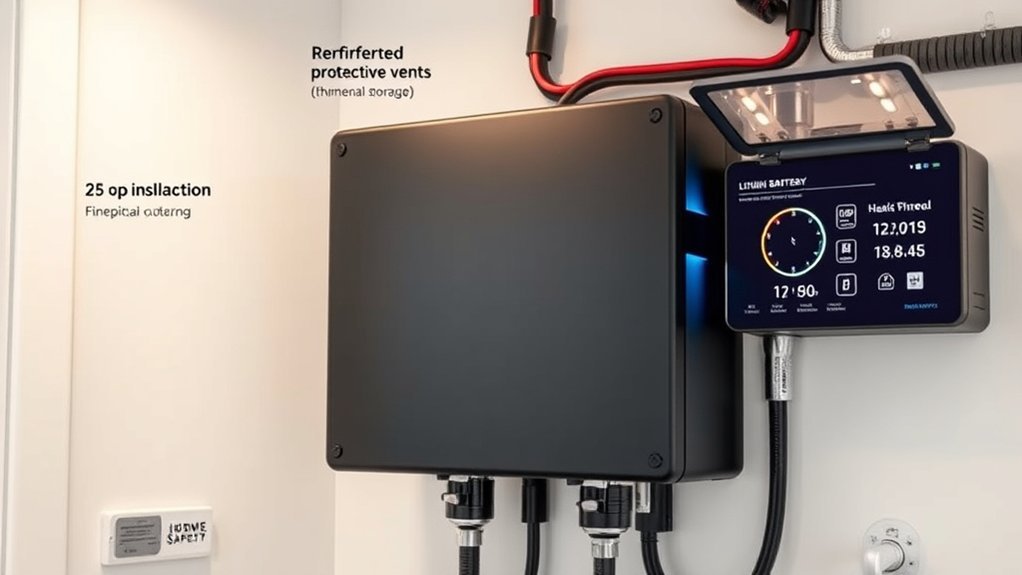
When selecting lithium battery systems, prioritizing key safety features is essential to prevent hazards and guarantee reliable operation. Critical features include thermal management systems, integrated BMS (Battery Management System), and cell design quality. These components help extend battery lifespan and maintain energy efficiency by preventing overheating, overcharging, and short circuits. Proper thermal regulation reduces the risk of thermal runaway, while a robust BMS monitors voltage, current, and temperature continuously. High-quality cell design minimizes internal faults that could compromise safety or performance.
| Safety Feature | Benefit |
|---|---|
| Thermal Management System | Prevents overheating and thermal runaway |
| Battery Management System | Ensures optimal operation, prolongs lifespan |
| Quality Cell Design | Reduces internal faults, enhances reliability |
Proper Installation Practices for Safe Home Battery Setup
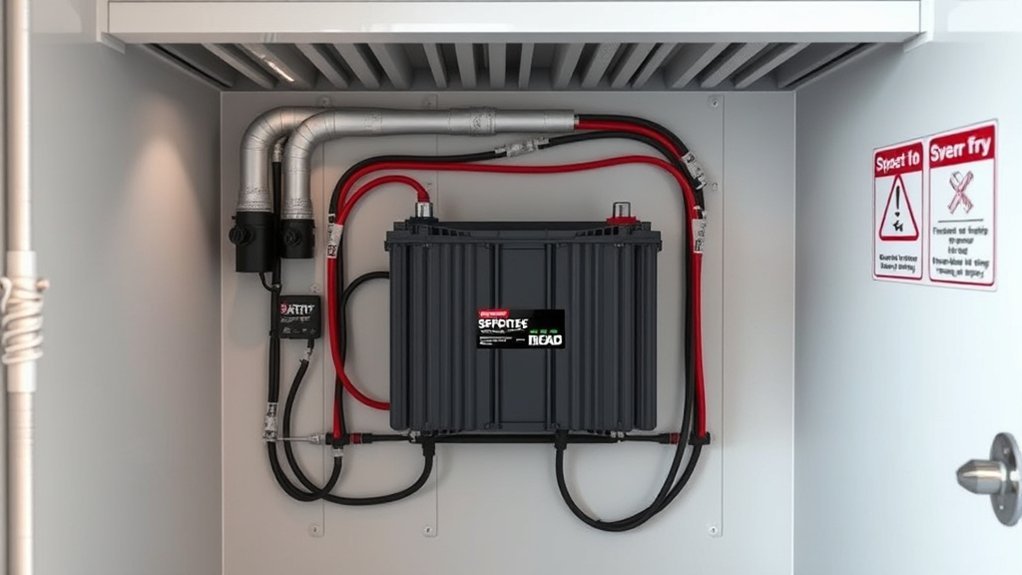
Ensuring proper ventilation is critical to prevent heat buildup and mitigate the risk of thermal events during operation. Guaranteeing mounting techniques are essential to maintain stability and prevent mechanical damage that could compromise safety. Additionally, following correct wiring procedures minimizes electrical hazards and ensures system integrity, forming the foundation of a safe home battery setup.
Proper Ventilation Requirements
Proper ventilation is a critical factor in the safe installation of home lithium battery systems, as inadequate airflow can lead to the accumulation of hazardous gases and increased risk of thermal runaway. Ensuring adequate indoor airflow is essential for dissipating any off-gassing during normal operation or potential thermal events. Effective ventilation systems should be designed to provide continuous, controlled airflow that prevents gas build-up and maintains safe ambient conditions. This includes installing exhaust fans or vents that facilitate the removal of potentially explosive gases and maintaining positive pressure within the enclosure. Proper ventilation reduces the risk of gas accumulation, mitigates heat buildup, and supports early detection of system faults, making it an indispensable component of safe home battery setup.
Secure Mounting Techniques
Secure mounting is fundamental to the safe operation of home lithium battery systems, as improper installation can lead to mechanical failure, damage, or fire hazards. Ensuring mounting stability prevents movement that could compromise connections or cause structural stress. Proper vibration damping minimizes the effects of external forces, reducing wear and potential damage over time. Achieving best mounting involves selecting suitable materials and hardware designed for battery weight and environmental conditions. It’s essential to verify that the mounting surface is level, durable, and capable of supporting the system’s weight. Additionally, securing the battery with vibration-absorbing mounts or pads helps maintain stability during operation and external shocks. These practices collectively enhance safety, prolong system lifespan, and prevent hazardous incidents.
Correct Wiring Procedures
Accurate wiring is essential to the safe and reliable operation of a home lithium battery system, as improper connections can lead to electrical faults, overheating, or fire hazards. Proper wiring procedures involve strict adherence to manufacturer specifications, guaranteeing correct polarity and secure connections. Voltage regulation is critical to prevent overvoltage conditions that can damage batteries or compromise safety. We also emphasize planning for battery recycling; disconnecting and recycling batteries safely minimizes environmental impact and maintains system integrity. Using appropriate wire gauges and secure terminals reduces resistance and prevents overheating. Regular inspection and testing of wiring connections help identify potential issues early. Following these precise wiring practices ensures system stability, prolongs battery lifespan, and enhances overall safety in home energy storage setups.
Regular Maintenance Tips to Prevent Lithium Battery Hazards
Regular maintenance of lithium batteries is vital to mitigate potential hazards and guarantee peak performance. Proper upkeep preserves maximum storage capacity and extends overall lifespan. Regularly inspecting terminals for corrosion prevents electrical faults, while maintaining appropriate charge levels reduces thermal stress. Implementing battery recycling protocols minimizes environmental impact and potential safety risks associated with disposal. Monitoring voltage and temperature helps detect early signs of degradation, safeguarding against overheating. Additionally, maintaining a clean, dry environment prevents moisture-induced failures. Consistent checks enhance performance and reduce fire hazards. Adhering to these maintenance practices ensures the battery remains within safe operational parameters, minimizing risk. Ultimately, diligent maintenance preserves storage capacity, promotes safety, and supports sustainable battery lifecycle management.
Recognizing Signs of Battery Overheating or Damage
Monitoring the condition of lithium batteries is essential once proper maintenance practices are in place, as early detection of overheating or damage can prevent catastrophic failures. Signs include abnormal temperature rises, swelling, or discoloration, indicating thermal runaway risks. Unusual odors or hissing sounds may also signal internal damage. Regular visual inspections help identify physical deformities, which should lead to immediate disconnection, especially if overcharge prevention measures are compromised. Overheated batteries increase the risk of fire and damage, necessitating prompt action. Additionally, damaged cells should be responsibly recycled to prevent environmental hazards and further risks. Recognizing these signs allows for timely intervention, maintaining system safety and efficiency while supporting responsible battery recycling practices that minimize long-term hazards.
Fire Prevention Strategies for Lithium Home Storage Systems
Implementing effective fire prevention strategies in lithium home storage systems is crucial to mitigate the risk of thermal runaway and subsequent fires. We focus on proactive measures that enhance safety and reduce hazards. Proper system design, including thermal management and fire-resistant enclosures, minimizes overheating risks. Regular user training ensures safe operation, including correct handling and emergency procedures. Additionally, diligent battery recycling prevents the buildup of damaged or degraded cells, which can trigger thermal events. Routine inspections for signs of wear or damage are essential to detect early warning indicators. By combining these approaches, we can considerably lower fire risks associated with lithium batteries, ensuring safer home energy storage solutions.
Implementing proactive fire prevention measures greatly enhances safety in lithium home storage systems.
- Maintain proper ventilation and temperature controls
- Conduct regular system inspections and maintenance
- Implement thorough user training programs
- Prioritize responsible battery recycling practices
Chemical Leak Risks and How to Detect Them Early
Although lithium batteries are generally safe when properly maintained, chemical leaks pose a significant risk that can compromise both safety and system integrity. Chemical contamination from leaks can lead to corrosion, reduced performance, and potential hazards. Early leak detection is essential to prevent escalation.
| Indicator | Detection Method |
|---|---|
| Discoloration | Visual inspection for leaks |
| Odor | Presence of chemical fumes |
| Swelling | Physical expansion of battery |
| Unusual Heat | Temperature anomalies |
| Corrosion | Metal component deterioration |
Emergency Response: What to Do If a Battery Fire Occurs?
When a lithium battery fire occurs, prompt and methodical action is critical to minimize damage and guarantee safety. Immediate response helps contain the fire, reduces environmental impact, and facilitates proper disposal and battery recycling later.
- Use a Class D fire extinguisher or large quantities of dry sand to suppress the fire safely.
- Avoid water: lithium fires react violently with water, exacerbating the hazard.
- Ventilate the area to disperse toxic smoke and prevent inhalation.
- Contact emergency services and follow local hazardous waste protocols for disposal, ensuring the battery’s components are recycled responsibly to reduce environmental impact. Correct response minimizes damage, promotes safe disposal, and supports sustainable battery recycling practices essential for environmental conservation.
Choosing Certified and Safe Lithium Battery Brands
Selecting reputable lithium battery brands requires careful consideration of certification and industry standards to guarantee compliance with safety protocols. We need to assess brand reputation and trustworthiness, as these often reflect adherence to rigorous safety practices. Additionally, evaluating built-in safety features and protections is essential to mitigate risks during operation.
Certification and Standards
Choosing lithium batteries that meet recognized certification standards is essential for ensuring safety and reliability. Certified batteries adhere to strict safety protocols, including thermal management and fault tolerance, reducing risks during home storage. Standards like UL 2054 and IEC 62619 address critical aspects such as battery recycling and lithium sourcing, ensuring environmentally responsible disposal and ethically sourced materials. Certification also verifies that batteries comply with safety testing, preventing thermal runaway or fire hazards. Selecting certified brands promotes safer operation, minimizes maintenance, and supports sustainable practices. Additionally, verified sourcing reduces the risk of using counterfeit or low-quality components, which compromise safety. Overall, certification acts as a safeguard, ensuring that lithium batteries are both high-quality and environmentally conscious choices for home energy storage.
Brand Reputation and Trust
How can we guarantee the lithium batteries we rely on are safe and dependable? Brand reputation plays a vital role, as brand reliability reflects consistent quality and adherence to safety standards. We analyze manufacturer credentials, certification history, and compliance with industry standards to assess trustworthiness. Customer reviews offer valuable insights into real-world performance and potential issues, highlighting consistency and post-sales support. A reputable brand’s track record of safety, durability, and transparent communication helps mitigate risks associated with home storage solutions. By prioritizing established brands with positive customer feedback and verified certifications, we reduce the likelihood of safety failures. Ultimately, choosing trusted brands grounded in reliability and verified by user experiences ensures a safer, more dependable lithium battery installation.
Safety Features and Protections
Given the critical importance of safety in lithium battery applications, prioritizing brands that incorporate robust safety features and protections is essential. Reliable brands implement advanced safety mechanisms such as thermal management systems, venting protocols, and overcharge protection, directly impacting battery lifespan and environmental impact. Well-designed safety features prevent thermal runaway, reducing fire risk and prolonging battery life. Additionally, certified brands adhere to strict safety standards, ensuring consistent quality and minimizing hazardous failures. Choosing such brands not only safeguards your home but also minimizes environmental harm caused by potential leaks or fires. Ultimately, selecting a battery with extensive safety protections enhances longevity, reduces maintenance costs, and aligns with sustainable practices. These features are fundamental to responsible home storage solutions.
Staying Up-To-Date With Lithium Battery Safety Regulations
Staying current with lithium battery safety regulations is essential for guaranteeing compliance and minimizing risk in a rapidly evolving technological landscape. Regulatory updates often address critical issues like battery recycling protocols and lithium sourcing transparency, which directly impact safety standards. By monitoring these changes, we can adapt safety procedures to mitigate hazards such as thermal runaway or chemical leaks. Understanding evolving regulations also helps assure responsible lithium sourcing, reducing environmental and safety risks associated with extraction processes. Additionally, staying informed about recycling requirements promotes sustainable disposal practices, lowering the potential for fire or toxic exposure. Regular review of regulatory frameworks enables us to implement best practices proactively, affirming our home storage systems meet the latest safety criteria and contribute to responsible resource management.
Frequently Asked Questions
How Long Do Lithium Batteries Typically Last in Home Storage?
Lithium batteries generally last 5 to 15 years in home storage, depending on usage and maintenance. Proper management extends battery lifespan and storage longevity, ensuring peak performance and safety over the battery’s operational life.
Can Lithium Batteries Be Recycled Safely at Home?
We can’t safely do DIY recycling of lithium batteries at home due to hazardous materials and fire risks. Proper disposal involves hazard prevention protocols, typically through certified recycling centers that handle lithium batteries responsibly and prevent environmental contamination.
Are There Specific Weather Conditions That Affect Lithium Battery Safety?
Weather hazards like extreme temperatures act as a storm for lithium batteries, affecting safety through temperature sensitivity. High heat accelerates degradation, while cold can impair performance, making it essential to monitor and protect batteries from adverse weather conditions.
What Are the Common Myths About Lithium Battery Safety?
We understand myths like lithium batteries always catch fire or overheat easily are false; proper safety measures substantially reduce battery fire and overheating risks, emphasizing that, with correct handling, these risks are manageable and not as alarming as often believed.
How Do I Troubleshoot Lithium Battery Performance Issues?
To troubleshoot lithium battery performance issues, we examine troubleshooting indicators like voltage drops or overheating, perform regular battery maintenance, and analyze charge/discharge cycles; these steps help us identify and resolve potential problems efficiently.
Conclusion
By treating our lithium batteries like essential organs, we guarantee they operate smoothly within our home ecosystem. Vigilance, proper care, and adherence to safety standards form the protective shield that keeps potential hazards at bay. When we stay informed and proactive, we’re steering a complex landscape with precision, turning a delicate balance into a resilient fortress. Ultimately, our diligent stewardship transforms a powerful energy source into a safe, reliable heartbeat for our home.