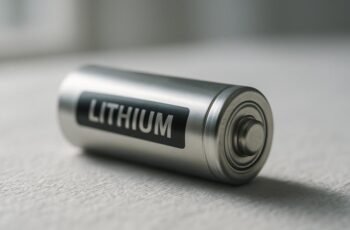
We’re always surprised by how often a simple coincidence—finding an old phone charger just when we’re planning a cleanup—sparks questions about recycling lithium batteries. We’ll share what’s practical, data-backed, and safe, from curbside options to drop-off programs, and what happens to the materials after collection. We’ll also cover preparation, damage concerns, and any costs involved. If you want to reduce risk and maximize value, there’s more to discuss before you act. Let’s start with what matters most.
Key Takeaways
- Yes, lithium batteries can be recycled, with programs varying by battery type and location.
- Most consumer Li-ion/Li-polymer batteries are accepted at curbside or designated drop-offs when available.
- Safety: store in a nonconductive ventilated container and protect terminals before disposal.
- Recovered materials include nickel, cobalt, lithium, graphite, and electrolytes, enabling resource reuse.
- Check local municipality, retailer, or e-waste facility for accepted formats, preparation rules, and drop-off options.
Can I Recycle Lithium Batteries? Quick Answer and Next Steps
Yes—we can recycle lithium batteries, but the process varies by battery type and local programs. We can give a quick answer: most consumer Li-ion and Li-polymer batteries from devices are accepted at curbside recycling where available or designated collection sites, yet some programs require drop-off only. Next steps: check your local municipality, retailer, or e-waste facility for accepted formats, preparation rules, and any fees. We’ll follow safety protocols: store batteries in a nonconductive, ventilated container; cover exposed terminals; avoid metal contact; transport only when cool and undamaged. Potential hazards include short circuits, thermal runaway, and contamination if batteries are damaged. If unsure, contact the program beforehand. Our guidance emphasizes verified, program-specific instructions to maximize safe, compliant recycling.
Why Lithium Battery Recycling Matters: Components, Hazards, and Value
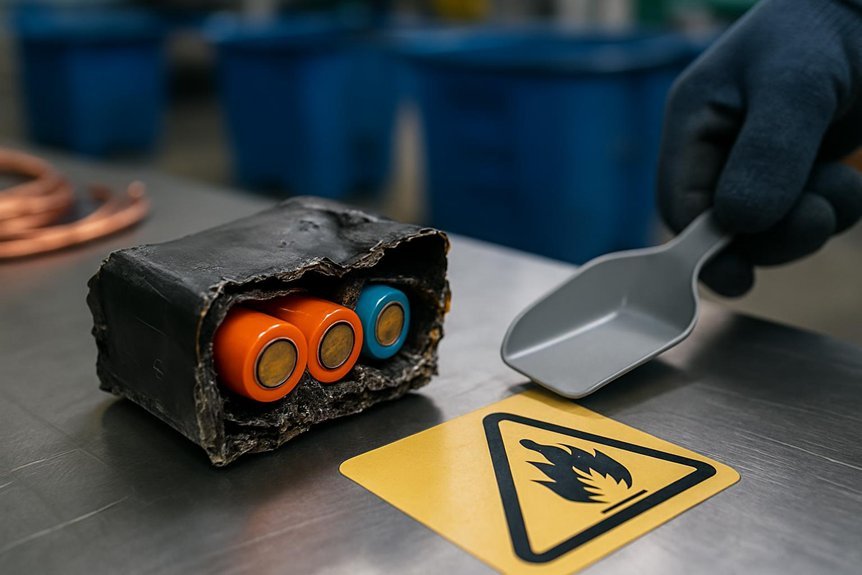
Why does lithium battery recycling matter, exactly? We’re talking about three core areas: components, hazards, and value. Components like cobalt, nickel, lithium, and graphite power modern devices, and recovering them reduces virgin mining, conserves resources, and feeds a circular economy. Hazards are real: improper disposal can spark fires, contaminate soil and water, and risk worker safety. Safe, certified recycling minimizes these risks while capturing valuable materials for reuse. The value isn’t just financial; it’s strategic—reducing dependence on geopolitical supply chains and supporting domestic recycling infrastructure. Environmental policy shapes incentives and standards that guide proper handling, transport, and processing. Consumer awareness accelerates participation, maximizes material recovery, and drives better design choices. Together, these factors reinforce a cleaner, safer, more resilient system. We invite you to engage.
What Parts of a Lithium Battery Can Be Recovered
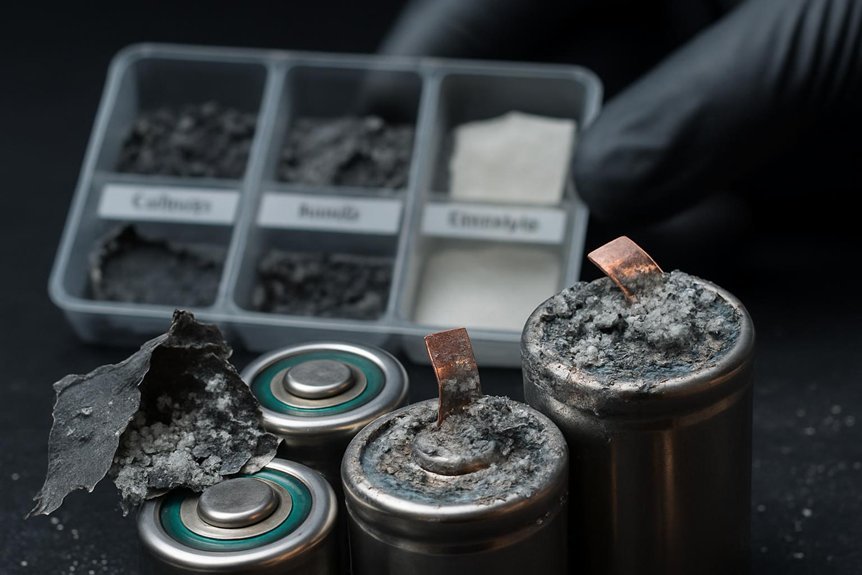
We can start by outlining what’s recoverable across cells, from active materials to electrolytes, and how each fraction varies by chemistry and design. We’ll then connect these yields to the metals extracted from the pack as a whole, and how recovery processes capture them efficiently. Finally, we’ll break down recoverable components by type—cathodes, anodes, separators, and housings—to show where value and effort concentrate in recycling.
Recovered Materials Across Cells
Recovered materials across cells can be recovered from several components, each with distinct yields and processing steps. We summarize that cathodes, anodes, casings, electrolytes, separators, and current collectors contribute materially, though with varying recovery rates. Cathode materials often yield critical metals like nickel, manganese, cobalt, and lithium pending pretreatment and purity targets; anodes vary by graphite versus silicon variants, affecting recovery costs and recycling streams. Electrolyte solvents and separators can be reclaimed or neutralized, reducing environmental impacts but adding process complexity. We emphasize scale and economics: energy markets drive marketability of recovered materials, while mining economics shapes the overall incentive for investment, installation, and throughput. Across cells, integration of pre-processing, mechanical separation, and hydrometallurgical steps determines total recovery efficiency and downstream refining needs.
Metals Extracted From Pack
- A clearer path to resource resilience inspires trust and investment
- Improved safety during handling and transport motivates stronger compliance
- Transparent reporting builds public confidence in recycling outcomes
- Innovation rewards collaboration across industry and communities
Recoverable Components By Type
What components of a lithium battery can we recover, and in what order do they matter? We break down recoverable parts by type, focusing on practical order and value. First, sheer materials—cathode and anode alloys, electrolyte solvents, and separators—offer the highest potential for reuse or recycling within established pathways. Next, metals like lithium, cobalt, nickel, and manganese are recovered through hydrometallurgical or pyrometallurgical processes, informing downstream supply chains. Then we recover active materials and corporate warranties, enabling refurbishability where feasible. Structural components and plastics are sorted for reuse or energy recovery. Throughout, data-driven process yields vary by technology and feedstock. An unrelated topic or off topic discussion may arise, but we stay centered on safe, compliant recovery. This clarity supports informed decisions and policy design.
How Lithium Battery Recycling Works: Collection, Processing, and Metal Recovery
How exactly does lithium battery recycling work—from pickup to precious metals returning to the supply chain? We map the process in clear, data-driven steps that reflect real-world efficiency. We optimize collection networks, sort by chemistry and condition, and transport safely to processing facilities. There, mechanical separation, shredding, and thermal treatments liberate metals while minimizing losses. Hydrometallurgy and pyrometallurgy recover lithium, cobalt, nickel, and copper for reuse, closing the battery lifecycle loop. Through standardized testing and quality controls, recycled materials re-enter the production stream, supporting recycling economics and supply resilience. Transparent tracking and performance metrics ensure steady improvements and safer handling across stages. Our goal is a circular system where recovered metals feed new batteries and reduce environmental impact.
- Efficient pickup networks boost participation
- Safe, compliant transport protects communities
- Precise separation minimizes waste and emissions
- Recovered metals fuel the next battery generation
- Modified text:
Where to Recycle Lithium Batteries Safely (Home vs. Business Programs)
Where can you recycle lithium batteries safely, and how do options differ for home versus business programs? We explain practical paths and safety checks, with clear guidance for both scales. For home collection, curbside or drop-off programs exist in many areas; always seal terminals, label batteries, and follow local rules. For business partnerships, we often coordinate with licensed recyclers to handle higher volumes and battery types, ensuring compliant transport and data protection. The table below contrasts accessibility and requirements at a glance.
| Home collection | Business partnerships |
|---|---|
| Widely available curbside/drop-off | Requires formal agreement and licensed recycler |
| Lower volumes, consumer batteries | Higher volumes, mixed chemistries, specialized handling |
Preparing Lithium Batteries for Recycling: Tips, Costs, and Environmental Impact
Preparing lithium batteries for recycling involves practical steps, cost awareness, and understanding environmental trade-offs that follow from how you previously pair batteries for reuse or disposal. We’re clear about the process, focusing on safety, efficiency, and transparency in costs and outcomes.
- Weighing options now reduces long-term recycling costs and boosts recovery rates
- Separate damaged packs to minimize fire risk and environmental impact
- Compare local vs. contracted programs to balance convenience with true environmental tradeoffs
- Track labeling, storage, and transport to lower liability and maximize material recovery
We’ll present data-driven guidance, so you can decide what to preserve, recycle, or responsibly dispose of, while minimizing costs and maximizing environmental benefits.
Frequently Asked Questions
Are There Safety Risks When Transporting Used Lithium Batteries?
We do see safety risks when transporting used lithium batteries, and yes, risk assessment and packaging guidelines are essential; we assess fire, thermal runaway, and leakage risks, then follow strict packaging guidelines to minimize hazards for every shipment.
How Do I Identify Non-Rechargeable Lithium Batteries?
“Look before you leap.” We identify non-rechargeable batteries by labeling: alkaline, zinc-carbon, lithium-metal. We’re careful with battery labeling, using data-driven checks to confirm non-rechargeable status and avoid misidentifying mixed packs. Readers, we’ve got this.
Can I Recycle Damaged or Swollen Lithium Batteries?
We can’t recycle damaged or swollen lithium batteries safely; instead, we urge proper handling with recycling safety protocols and immediate disposal at designated e-waste or hazardous-wrompt facilities, minimizing risk before trained technicians assess damaged batteries.
Do All Recycling Programs Accept Packed Battery Shipments?
We don’t all accept packed battery shipments; acceptance criteria vary by program, so we document specifics. We’d advise checking each program’s acceptance criteria and shipping labeling requirements before sending any lithium batteries.
What Happens to Electronics With Built-In Lithium Cells?
We don’t discard electronics with built-in cells lightly; they’re treated as lithium battery disposal hazards. We isolate, test, and recycle components, ensuring safe handling and proper disposal pathways for lithium battery disposal and electronics with built in cells.
Conclusion
We know this like clockwork: recycling lithium batteries isn’t just smart, it’s superhero-level saving-the-planet stuff. Every battery we properly recycle unlocks precious metals, prevents toxic leaks, and powers the clean economy—without turning our air into an industrial fog. Do it right, and our tiny actions add up to colossal environmental wins, faster than you’d think. So let’s commit, follow local rules, and never let a damaged cell wander into the trash. Small steps, giant impact.