When comparing LiFePO4 batteries, understanding their lifespan involves analyzing various factors like cycle life, manufacturing quality, and maintenance practices. These elements collectively determine how long a battery remains reliable and efficient, impacting total cost of ownership over time. As we examine the nuances that influence durability, it becomes clear that selecting the right battery requires a careful assessment of these variables—something worth exploring further to make informed decisions.
Key Takeaways
- Lifepo4 batteries typically last between 2,000 to 5,000 charge cycles, depending on quality and usage conditions.
- Higher-quality cells from reputable brands generally offer longer cycle life and better durability.
- Proper temperature management and controlled charge cycles significantly extend battery lifespan.
- Environmental factors like humidity and temperature fluctuations accelerate degradation, affecting longevity.
- Regular monitoring and maintenance can optimize lifespan and ensure sustained performance over time.
How Do Lifepo4 Batteries Differ in Overall Lifespan?
Although Lifepo4 batteries are renowned for their durability, their overall lifespan varies considerably based on multiple factors, including design, manufacturing quality, and usage conditions. Variations in cell chemistry and manufacturing processes influence longevity, with higher-quality cells typically exhibiting extended cycle life. Additionally, proper management of charge cycles and operating temperature is essential. From an environmental perspective, lifespan differences impact battery recycling efforts; longer-lasting batteries reduce waste and lessen environmental impact by decreasing the frequency of disposal and replacement. Conversely, shorter lifespans accelerate battery disposal, increasing environmental strain. Consequently, understanding these differences is critical for optimizing sustainability, as longer-lasting Lifepo4 batteries not only improve operational efficiency but also support more environmentally responsible recycling practices.
Factors That Influence Lifepo4 Battery Durability
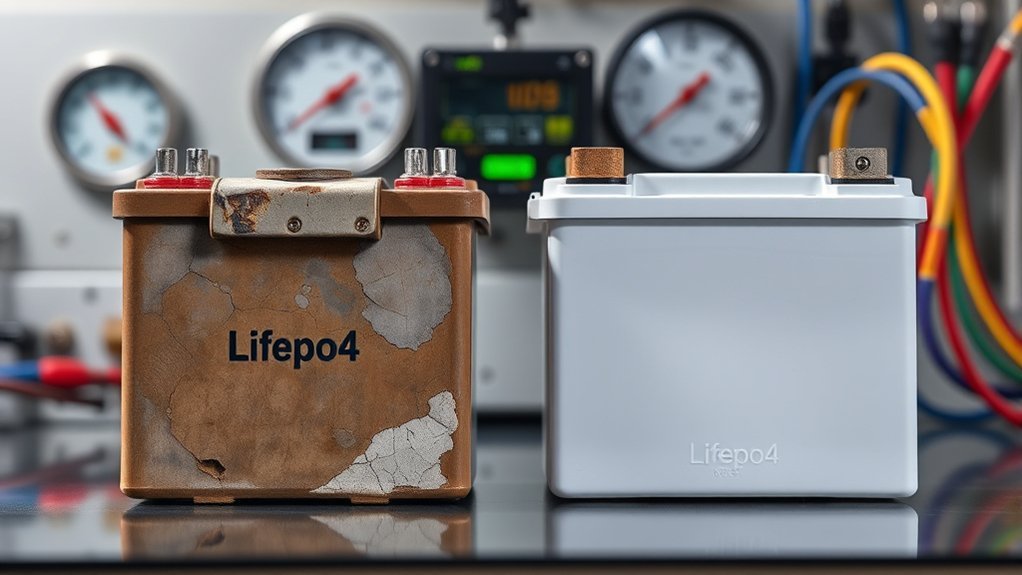
The durability of Lifepo4 batteries is primarily shaped by a combination of technical and operational factors. Environmental factors, such as temperature fluctuations and humidity, directly impact battery chemistry and lifespan. Manufacturing standards also play an essential role, affecting internal quality and consistency. To understand better, consider the following:
| Factor | Impact | Mitigation Strategies |
|---|---|---|
| Temperature | Excess heat accelerates degradation | Use cooling systems or ideal placement |
| Humidity | Causes corrosion, reduces performance | Seal batteries properly, control environment |
| Manufacturing Quality | Ensures internal stability and safety | Choose reputable manufacturers |
| Cycling Rate | Frequent deep discharges wear batteries faster | Manage charge cycles efficiently |
These factors collectively determine the longevity and reliability of Lifepo4 batteries.
Comparing Lifepo4 Battery Cycles: Which Lasts Longer?
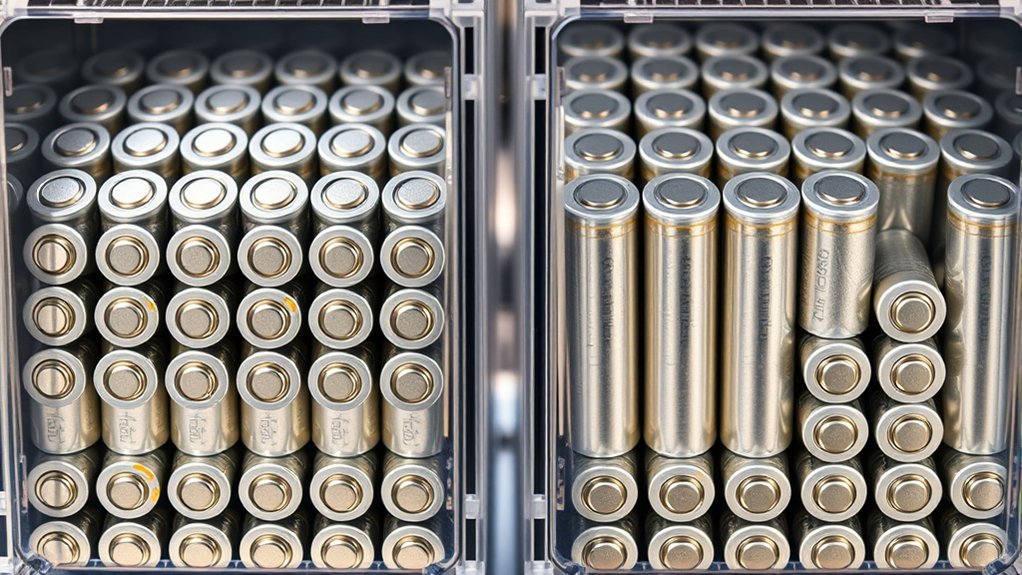
When comparing Lifepo4 batteries, understanding their cycle life—how many charge and discharge cycles they can endure before capacity declines—is essential for gauging longevity. Typically, Lifepo4 cells offer between 2,000 to 5,000 cycles, surpassing many other chemistries. Longer cycle life translates into fewer replacements, reducing waste and supporting sustainable battery recycling efforts. This durability also minimizes environmental impact, as fewer batteries need disposal or recycling over time. The number of cycles directly influences a battery’s lifespan, making it a critical factor for applications demanding longevity. By selecting batteries with higher cycle counts, users can optimize both performance and sustainability, aligning with environmentally responsible practices. Ultimately, cycle life is a key metric to compare when evaluating Lifepo4 batteries’ long-term viability.
How Quality and Brand Impact Lifespan
The quality of materials and manufacturing standards considerably influence Lifepo4 battery lifespan, as higher-quality components typically exhibit greater durability and stability over time. A reputable brand’s emphasis on manufacturing standards guarantees consistent quality control, reducing defects and variability that can shorten battery life. Brand reputation often correlates with rigorous testing protocols, superior raw materials, and adherence to industry standards, all of which contribute to longer-lasting batteries. Conversely, lower-quality brands may cut corners, resulting in inferior cell chemistry, inconsistent assembly, and ultimately reduced cycle life. As a result, selecting a well-established brand with transparent manufacturing practices directly impacts the longevity and reliability of your Lifepo4 battery, making it a vital factor in lifespan optimization.
Maintenance Tips to Extend Your Lifepo4 Battery Life
Proper maintenance practices considerably influence the lifespan of Lifepo4 batteries, regardless of their initial quality or brand reputation. To maximize longevity, regular monitoring of voltage and temperature is essential, preventing overcharging or deep discharging, which accelerates capacity loss. Keeping ideal charge levels minimizes stress on the cell chemistry, thereby extending cycle life. Responsible battery recycling at end-of-life reduces environmental impact, conserving resources and preventing hazardous waste. Implementing proper disposal and recycling protocols ensures environmental sustainability, aligning with best practices for electronic waste management. Additionally, controlling environmental conditions—such as avoiding extreme temperatures—protects internal components from degradation. These maintenance strategies not only prolong battery life but also contribute to ecological preservation, emphasizing the importance of technical diligence in battery management.
Recognizing Signs of Battery Aging and When to Replace
As Lifepo4 batteries age, their performance gradually declines, making it essential to identify early warning signs that indicate diminished capacity or potential failure. Key indicators include reduced voltage stability, decreased capacity during discharge cycles, and increased internal resistance, which can lead to inefficient operation. Regular monitoring of these parameters helps determine if replacement is necessary. Recognizing these signs early reduces the risk of sudden failure, extending overall system reliability. When replacing batteries, proper disposal and recycling are critical to minimizing environmental impact. Responsible battery recycling prevents harmful materials from contaminating ecosystems, aligning with sustainable practices. By staying vigilant for aging signs, we ensure peak performance while supporting environmentally conscious decisions around battery lifespan management.
Which Lifepo4 Battery Is Best for Your Long-Term Needs?
When selecting a Lifepo4 battery for long-term use, we focus on capacity and expected lifespan to guarantee it meets your energy demands over time. Application-specific factors, such as cycle stability and discharge rates, also influence which model offers the best value. By analyzing these technical parameters, we can identify the most suitable battery to optimize performance and longevity for your needs.
Battery Capacity and Longevity
Choosing the right Lifepo4 battery for long-term use requires a careful assessment of both capacity and lifespan, as these factors directly influence overall performance and cost-efficiency. Higher capacity batteries deliver sustained energy output, but longevity depends on the number of charge-discharge cycles, which varies by model. Longer-lasting batteries reduce replacement frequency, lowering long-term costs and minimizing environmental impact through improved battery recycling efficiency. Selecting batteries with superior cycle life also mitigates the environmental footprint associated with manufacturing and disposal. Technical differences in cell chemistry and build quality impact both capacity retention and degradation rates over time. Ultimately, balancing capacity with durability ensures ideal performance while supporting sustainability efforts, making the choice of a long-lasting Lifepo4 battery essential for environmentally responsible energy storage solutions.
Application Suitability
Determining the most suitable Lifepo4 battery for long-term applications hinges on understanding specific operational requirements and environmental conditions. Different Lifepo4 chemistries and configurations offer varied performance profiles, making selection critical for ideal longevity. For instance, batteries designed with enhanced cycle stability may suit renewable energy systems, while those with higher discharge rates fit emergency backup needs. Considering environmental impact, selecting batteries with efficient battery recycling processes minimizes waste and reduces ecological footprint. Long-term application suitability also involves evaluating the battery’s resilience in extreme temperatures and its overall lifecycle. By analyzing these factors, we can identify batteries that balance performance with sustainability, ensuring minimal environmental impact while fulfilling operational demands over extended periods. This approach supports both operational efficiency and responsible resource management.
Frequently Asked Questions
How Do Temperature Fluctuations Affect Lifepo4 Battery Lifespan?
Temperature fluctuations can considerably impact Lifepo4 battery lifespan by disrupting temperature stability; effective thermal management minimizes these effects, ensuring consistent performance and longevity. Maintaining ideal temperatures is essential for maximizing battery cycle life and overall durability.
Can Improper Charging Habits Shorten Lifepo4 Battery Life?
Improper charging habits, like overcharging or neglecting charging safety, can greatly shorten Lifepo4 battery life—similar to how neglecting proper maintenance can cause machinery to fail prematurely. Prioritizing correct charging extends battery life and supports sustainable recycling efforts.
What Role Does Storage Environment Play in Battery Longevity?
We find that storage environment considerably impacts Lifepo4 battery longevity; maintaining ideal storage stability by controlling environmental factors like temperature and humidity minimizes degradation, ensuring consistent performance and extending overall battery lifespan effectively.
Are There Differences in Lifespan Between New and Refurbished Lifepo4 Batteries?
Ironically, refurbished LiFePO4 batteries often last nearly as long as new ones, thanks to advances in battery recycling and consistent manufacturing quality; however, subtle differences in cell integrity may influence long-term performance and lifespan.
How Does Cycle Depth Impact Overall Battery Lifespan?
We find that greater cycle depth considerably impacts overall lifespan, as deeper usage patterns accelerate capacity fade. Shallow cycle depths preserve battery health longer, highlighting the importance of managing usage patterns for ideal Lifepo4 battery longevity.
Conclusion
In sum, choosing the right LiFePO4 battery is like selecting a sturdy bridge that spans years of dependable service. By understanding factors that impact longevity and prioritizing quality, we can visualize a reliable energy pathway that withstands the test of time and temperature. Proper maintenance acts as the structural reinforcement, ensuring our investment remains resilient. Ultimately, informed decisions create a durable foundation, guiding us smoothly across the landscape of long-term energy storage.