Consider a Tesla Model 3 with LiFePO₄ batteries, known for surpassing 2,000 charge cycles, highlighting their longevity. As analysts, we recognize that different lithium chemistries offer varying durability, impacting long-term performance and costs. Understanding which chemistry truly lasts the longest requires examining their chemical stability, cycle life, and environmental resilience—factors that can markedly influence your investment’s value over time. Let’s explore these details to determine the most enduring option.
Key Takeaways
- Lithium Iron Phosphate (LiFePO₄) batteries typically last over 2,000 cycles, offering the longest lifespan among common chemistries.
- Cobalt-based NMC batteries generally provide 1,000 to 2,000 cycles, but their lifespan depends on usage and temperature.
- LiFePO₄ batteries are more environmentally friendly with better recyclability, supporting sustainable long-term use.
- Chemistries with stable crystal structures, like LiFePO₄, resist degradation and maintain capacity over more charge cycles.
- Extended lifespan is influenced by operating conditions; proper management enhances longevity regardless of chemistry.
What Are the Main Types of Lithium Battery Chemistries?
Understanding the main types of lithium battery chemistries is essential because each offers distinct performance characteristics and applications. The primary chemistries—such as Lithium Nickel Manganese Cobalt Oxide (NMC), Lithium Cobalt Oxide (LCO), and Lithium Manganese Oxide (LMO)—vary in energy density, cycle life, and safety profiles. For instance, NMC balances high energy density with stability, making it suitable for EVs and energy storage, while LCO provides high energy density but shorter lifespan, often used in consumer electronics. Battery recycling efficiency also differs among chemistries, affecting sustainability. Recognizing these differences helps optimize application-specific choices and informs recycling strategies, ensuring both performance and environmental responsibility in lithium battery deployment.
How Do Lithium Iron Phosphate (LiFePO₄) Batteries Last?
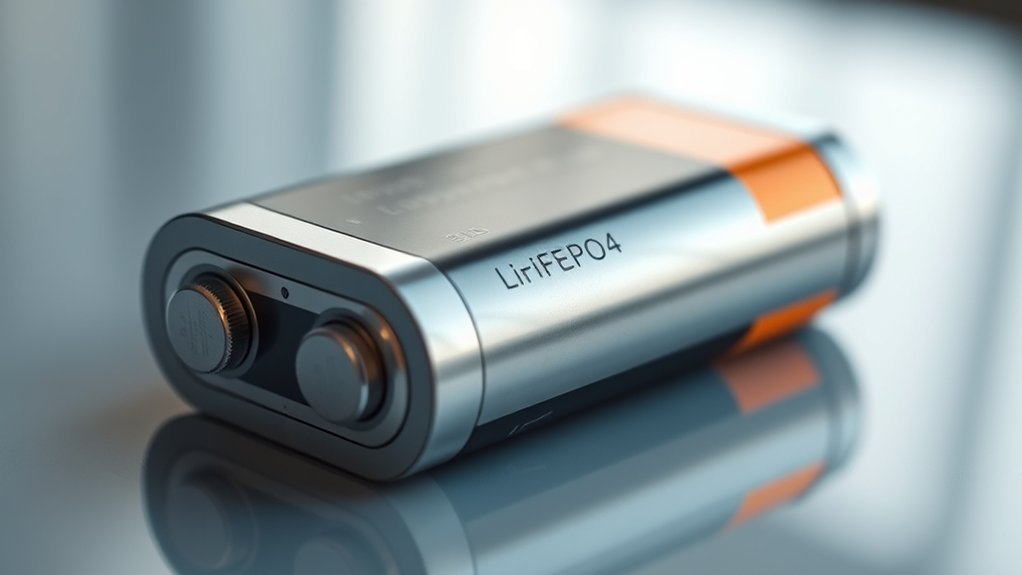
Lithium Iron Phosphate (LiFePO₄) batteries are known for their impressive longevity and stable performance over numerous charge cycles. Their extended lifespan, often exceeding 2,000 cycles, results from their stable chemistry and thermal stability, reducing capacity fade over time. This durability contributes positively to battery recycling efforts, as fewer replacements are needed, minimizing environmental impact. Additionally, LiFePO₄ batteries contain less toxic materials compared to other lithium chemistries, easing disposal concerns. Their robust cycle life and environmentally friendlier composition make them a sustainable choice for long-term energy storage applications. Overall, their durability not only enhances operational reliability but also supports eco-conscious practices by reducing waste and promoting responsible battery lifecycle management.
What Is the Durability of NMC Lithium Batteries?
NMC lithium batteries, which utilize nickel, manganese, and cobalt chemistries, are recognized for their high energy density and balanced performance, but their durability varies based on usage conditions and maintenance. Their lifespan typically ranges from 1,000 to 2,000 charge cycles, influenced by factors like temperature and charge rates. Key durability aspects include:
- Cycle stability: Repeated charging weakens the cathode structure, reducing capacity over time.
- Thermal management: Excess heat accelerates degradation, impacting longevity.
- Battery recycling: Proper recycling can recover valuable materials, but inefficient processes may hinder sustainability.
- Manufacturing challenges: Ensuring quality control and material consistency directly affects durability and overall lifespan.
Understanding these factors helps optimize NMC battery performance and addresses manufacturing and recycling hurdles.
How Cobalt-Based Lithium Batteries Compare in Longevity
Cobalt-based lithium batteries generally exhibit a longer cycle life compared to other chemistries, owing to their stable crystal structures and high-quality cathode materials. This stability supports consistent performance and enhances longevity. However, concerns about cobalt toxicity raise environmental and ethical issues, prompting industry shifts toward reduced cobalt content. Additionally, recycling challenges complicate disposal and reuse, as cobalt recovery processes are complex and less efficient than for other materials. These factors influence the overall sustainability of cobalt-based batteries, despite their durability advantages. While their longevity remains attractive for high-demand applications, the environmental impact and resource scarcity highlight the need for alternative chemistries with comparable cycle life but fewer drawbacks.
Factors That Influence Lithium Battery Lifespan
Several key factors directly impact the lifespan of lithium batteries, with operating conditions and usage patterns playing a crucial role. Proper management of these factors can optimize longevity and performance.
- Charging efficiency: High charging efficiency minimizes stress on the battery, reducing capacity fade over time. Overcharging or rapid charging accelerates degradation.
- Operating temperature: Extreme temperatures, especially heat, accelerate electrolyte breakdown and anode/cathode deterioration.
- Battery recycling: Effective recycling processes help recover valuable materials, ensuring sustainable disposal and reducing environmental impact, which influences long-term battery viability.
- Usage patterns: Frequent deep discharges or shallow cycling affect capacity retention, with gentle cycling prolonging battery health.
Understanding these factors enables better design and maintenance strategies for maximizing lithium battery lifespan.
Which Chemistry Is Best for Long-Term Electric Vehicle Use?
When evaluating chemistry options for long-term EV use, battery lifespan and stability are critical factors, as they directly impact durability and safety. Performance over time must remain consistent, resisting capacity fade and thermal degradation. By analyzing these core metrics, we can identify which chemistries offer the most favorable balance for extended, reliable vehicle operation.
Battery Lifespan and Stability
Determining the most stable and long-lasting lithium battery chemistry requires a careful examination of their inherent material properties and degradation mechanisms. Factors influencing lifespan include electrode stability, electrolyte resilience, and resistance to capacity fade over cycles. To visualize, consider:
- Layered cathodes that resist structural breakdown under repeated charge cycles.
- Solid electrolytes that minimize dendrite formation, reducing internal short circuits.
- Stable anode materials that retain capacity despite cycling.
- Battery recycling compatibility, ensuring materials can be reclaimed efficiently, supporting renewable sources and sustainability.
These elements directly affect long-term stability, critical for electric vehicle applications. A chemistry with minimal degradation enhances durability, reduces replacement costs, and aligns with environmentally conscious efforts like battery recycling and renewable sourcing.
Performance Over Time
Choosing the most suitable lithium battery chemistry for long-term electric vehicle performance hinges on understanding how different chemistries withstand repeated charge-discharge cycles over time. Lithium iron phosphate (LiFePO4), for example, exhibits excellent cycle stability, making it ideal for renewable integration where consistent performance is vital. Its longevity reduces the frequency of replacements, easing recycling challenges associated with battery disposal. Conversely, nickel-manganese-cobalt (NMC) chemistries tend to degrade more rapidly but offer higher energy density, which may impact long-term performance. Over time, capacity fade and internal resistance increase affect efficiency and range. Selecting a chemistry with superior performance over time helps mitigate recycling challenges and guarantees reliable operation aligned with sustainable energy systems. Ultimately, understanding these dynamics guides best chemistry choices for durable, eco-friendly EV batteries.
How Temperature and Usage Affect Battery Degradation
Temperature fluctuations considerably influence lithium battery degradation by accelerating chemical reactions that damage electrode materials. Usage patterns, including cycle depth and frequency, directly impact wear rates, affecting overall capacity retention. Understanding these factors allows us to optimize operating conditions and extend battery lifespan effectively.
Impact of Temperature Fluctuations
How do temperature fluctuations accelerate lithium battery degradation? Thermal cycling induces repeated expansion and contraction of internal components, stressing the electrode-electrolyte interface and accelerating capacity fade. Variations in temperature challenge the battery’s temperature resilience, leading to uneven degradation rates. Specifically, rapid shifts between hot and cold environments cause microcracks and delamination within electrodes. Visualize these processes as:
- Cracks forming in electrode layers
- Electrolyte breakdown at fluctuating interfaces
- Increased internal resistance from structural damage
- Accelerated loss of active material
These effects compound over time, reducing battery lifespan. The extent of degradation depends on the battery’s ability to withstand thermal cycling, highlighting the importance of selecting chemistries with superior temperature resilience for long-lasting performance.
Usage Patterns and Wear
Usage patterns considerably influence lithium battery degradation, as the frequency, depth, and rate of charge and discharge cycles directly impact internal stress and material wear. Rapid charging speeds accelerate electrode degradation, reducing overall lifespan, while frequent shallow cycles can mitigate wear but increase cumulative stress. Temperature plays a critical role; high temperatures accelerate chemical reactions, hastening capacity loss, whereas low temperatures hinder ion mobility, affecting performance. Proper battery recycling practices are essential to minimize environmental impact and reclaim valuable materials, but repeated cycles of usage and improper handling can impair battery longevity. Understanding the interplay between usage patterns and environmental factors enables optimization of lifespan. By controlling charging speed, managing temperature exposure, and adopting sustainable recycling, we can extend battery life and improve the sustainability of lithium-based energy storage.
Maintenance Tips to Maximize Your Battery’s Life
Proper maintenance is essential for extending the lifespan and guaranteeing peak performance of lithium batteries. Adhering to proper charging protocols prevents overcharging and deep discharges, which accelerate degradation. Additionally, implementing routine battery recycling practices minimizes environmental impact and assures safe disposal of degraded cells.
Key maintenance actions include:
- Regularly monitor voltage levels to avoid voltage extremes.
- Follow manufacturer-recommended charging protocols to maintain cell integrity.
- Store batteries in cool, dry environments to reduce thermal stress.
- Engage in periodic capacity testing and consider recycling when performance declines.
These steps optimize chemical stability, reduce capacity loss, and prolong usability. By following precise charging protocols and responsibly managing end-of-life recycling, users can maximize lithium battery longevity while supporting sustainable practices.
Cost vs. Longevity: Which Chemistry Offers the Best Value?
When evaluating lithium battery chemistries, balancing initial costs against long-term performance becomes essential for making informed investments. Lithium iron phosphate (LiFePO4), for example, offers higher longevity, reducing replacement frequency and lifecycle costs, but at a higher upfront price. In contrast, lithium nickel manganese cobalt oxide (NMC) batteries typically have lower initial costs but shorter lifespans, impacting overall value. Considering environmental impact, chemistries with better recyclability—like LiFePO4—support more sustainable battery recycling practices, lowering ecological footprints. While some chemistries may seem cost-effective initially, their shorter lifespan and more complex battery recycling can lead to higher total costs over time. Ultimately, evaluating these factors helps optimize cost versus longevity, ensuring both economic and environmental benefits.
Choosing the Right Lithium Battery for Your Long-Term Needs
Selecting the appropriate lithium battery requires careful consideration of chemistry durability and application-specific factors. We must evaluate how different chemistries withstand long-term cycling and environmental conditions relevant to your use case. By analyzing these variables, we can identify the most suitable battery to meet your long-term performance requirements.
Battery Chemistry Durability
Choosing the right lithium battery for long-term applications requires a careful assessment of chemistry-related durability factors, as different chemistries inherently vary in cycle life, thermal stability, and degradation mechanisms. These differences influence overall longevity and maintenance needs. For example:
- Cycle Life – How many charge-discharge cycles before capacity drops significantly.
- Thermal Stability – Resistance to overheating and thermal runaway.
- Degradation Pathways – Chemical changes causing capacity fade over time.
- Maintenance Practices – Impact of proper battery recycling and charging protocols on extending lifespan.
Understanding these factors helps us select chemistries that maximize durability while considering environmental impact and safety. Proper maintenance, including adherence to optimized charging protocols, can mitigate degradation, whereas thoughtful battery recycling ensures sustainability at end of life.
Application Suitability Factors
Evaluating application suitability is essential for identifying the most appropriate lithium battery for long-term use, as different chemistries and configurations are tailored for specific operational demands. Market trends indicate a shift toward higher energy density and improved safety features, influencing chemistry selection. Factors such as charge cycles, operating temperature ranges, and discharge rates directly impact performance longevity. Additionally, recycling challenges are increasingly relevant; chemistries with complex or hazardous materials pose environmental disposal issues, affecting long-term sustainability considerations. Understanding these variables helps us match battery chemistry to application needs—whether for stationary storage, electric vehicles, or portable electronics—ensuring durability, safety, and environmental compliance are prioritized. Ultimately, a thorough assessment of operational demands and end-of-life management guides suitable chemistry choice for long-term reliability.
Frequently Asked Questions
Which Lithium Battery Chemistry Is Most Environmentally Sustainable?
We believe lithium iron phosphate (LiFePO4) batteries are most environmentally sustainable due to eco-friendly materials and recycling advancements, reducing toxic waste. Their longer lifespan and safer composition make them an ideal choice for eco-conscious applications.
How Do Cycling Patterns Affect Battery Lifespan Across Chemistries?
Cycling patterns considerably impact battery lifespan; higher cycling frequency accelerates capacity fade, while charge consistency reduces stress on chemistries like NMC or LFP, ultimately prolonging their longevity. Proper management minimizes degradation across different lithium chemistries.
Are There Emerging Lithium Battery Types With Longer Lifespans?
We believe emerging lithium batteries, like solid-state variants, show promise for longer lifespans, especially with advancements in solid-state technology and improved battery recycling methods, ensuring durability and sustainability keep pace with evolving energy demands.
How Does Depth of Discharge Impact Battery Longevity?
We find that increased depth of discharge, beyond ideal discharge thresholds, accelerates depth cycling fatigue, reducing lifespan. Maintaining discharge within recommended thresholds minimizes harmful depth cycling effects, thereby enhancing battery longevity through controlled discharge practices.
Can Battery Management Systems Significantly Extend Lifespan?
Think of a battery management system as a vigilant guardian, using precise battery calibration and thermal management to extend lifespan, preventing stress and degradation. Yes, it substantially prolongs battery health through meticulous, real-time oversight.
Conclusion
Ultimately, selecting the longest-lasting lithium battery is like choosing a steadfast lighthouse amid shifting tides. LiFePO₄ chemistry stands as our beacon—resilient, enduring, and environmentally conscious—guiding us through the complexities of long-term energy needs. While initial costs may seem high, the lighthouse’s steady beam guarantees we navigate toward sustainable, cost-effective solutions. In the end, understanding each chemistry’s durability helps us chart a course toward reliable, optimized energy storage.