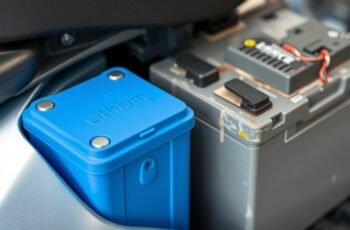
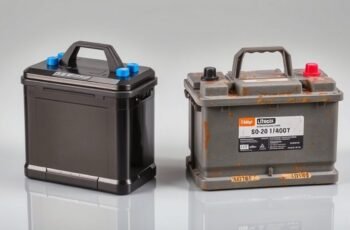
Studies show that LiFePO₄ batteries can surpass 2000 charge cycles, far outperforming LCO batteries, which typically last 300–500 cycles. This stark difference highlights how chemistry impacts longevity, but understanding the underlying factors requires examining stability, electrolyte composition, and degradation mechanisms. As we explore these influences, we can better determine which chemistry suits specific applications and usage patterns, making it essential to analyze their long-term performance in detail.
Key Takeaways
- LCO batteries typically last 300–500 cycles, while LiFePO₄ batteries can exceed 2000 cycles, indicating longer lifespan.
- Electrolyte stability and composition significantly influence the durability and capacity retention over time.
- NMC batteries offer a balanced lifespan of 500–1000 cycles, with moderate energy density and stability.
- Manufacturing techniques and electrode quality impact overall battery longevity across different chemistries.
- Chemistry choice depends on application needs, balancing performance, durability, and environmental considerations.
How Do Different Lithium Battery Chemistries Affect Longevity?
Different lithium battery chemistries exhibit varying longevity due to their distinct electrochemical properties and degradation mechanisms. The electrolyte composition plays a critical role, influencing ion transport efficiency and stability during charge-discharge cycles. For example, lithium iron phosphate (LiFePO₄) batteries use electrolytes optimized for thermal stability, which slows degradation. Manufacturing processes also impact longevity by affecting electrode integrity and uniformity, reducing the formation of defects that accelerate capacity fade. Variations in electrolyte formulation and processing steps like coating, drying, and electrolyte filling directly influence cycle life. These factors determine how well the battery withstands repeated cycling and temperature fluctuations. Ultimately, the interplay between electrolyte composition and manufacturing techniques defines the inherent longevity of different lithium chemistries, shaping their durability and performance over time.
Comparing Lifespans of LCO, LiFePO4, and NMC Batteries
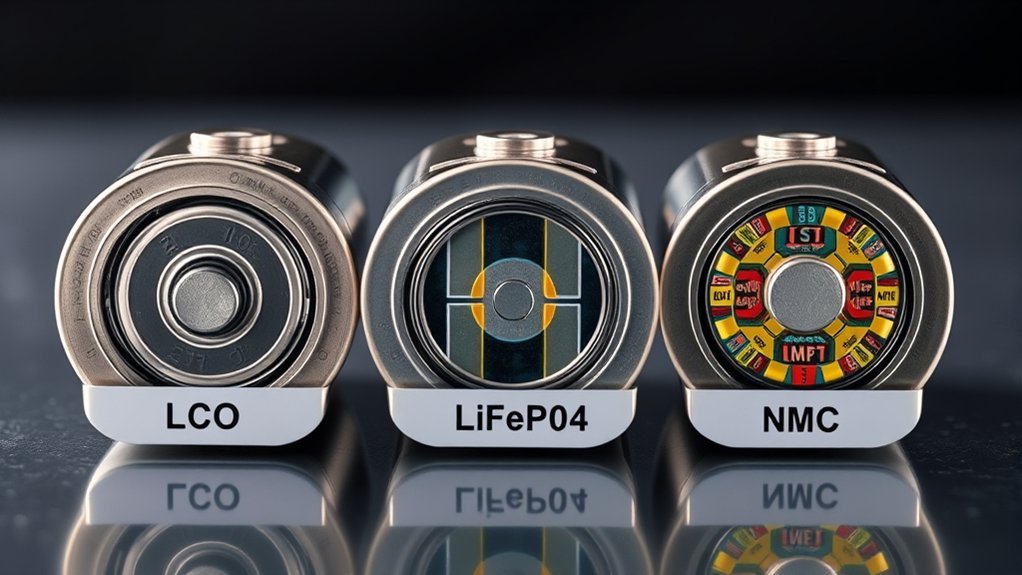
When comparing the lifespans of LCO (lithium cobalt oxide), LiFePO₄ (lithium iron phosphate), and NMC (nickel manganese cobalt) batteries, it becomes clear that each chemistry has distinct durability profiles shaped by their electrochemical stability and degradation mechanisms. LCO batteries typically offer fewer charge cycles, around 300–500, due to cobalt’s higher degradation rate, impacting overall lifespan and complicating battery recycling efforts. LiFePO₄ batteries demonstrate superior longevity, often exceeding 2000 cycles, and feature a more stable chemistry that reduces environmental impact at end-of-life. NMC batteries strike a balance, with 500–1000 cycles, but their complex composition can pose challenges for recycling. These factors influence not only durability but also the sustainability of battery lifecycle management, emphasizing the importance of considering lifespan in environmental impact assessments.
Stability and Performance Over Time: Which Chemistry Holds Up Best?
Evaluating how lithium battery chemistries maintain their stability and performance over time reveals significant differences rooted in their fundamental electrochemical properties. Electrolyte stability plays a critical role in preventing degradation, with more stable electrolytes reducing capacity fade. For instance, LiFePO₄ batteries exhibit excellent electrolyte stability, contributing to consistent charge retention over extended cycles. NMC chemistries, while offering high energy density, tend to experience gradual electrolyte decomposition, impacting long-term stability. Charge retention is closely linked to electrolyte stability; more stable electrolytes preserve electrode integrity, ensuring minimal capacity loss. Ultimately, LiFePO₄ demonstrates superior stability and performance longevity, making it more reliable for applications requiring sustained performance. These electrochemical characteristics determine which chemistry holds up best over time, influencing the choice based on long-term stability needs.
Factors Influencing Lithium Battery Durability and How Chemistry Matters
The durability of lithium batteries is primarily determined by a combination of electrochemical factors and material stability, with chemistry playing a pivotal role. The specific chemistry influences key aspects like energy density and degradation rates, impacting lifespan. Advanced manufacturing processes enhance uniformity and reduce defects, prolonging cycle life. Different chemistries, such as NMC or LFP, exhibit varying trade-offs in energy density and stability. To visualize this, consider the following comparison:
| Chemistry | Energy Density | Manufacturing Complexity |
|---|---|---|
| NMC | High | Moderate |
| LFP | Moderate | Simpler |
| NCA | Very High | Complex |
Understanding these factors helps us predict durability and tailor batteries to specific applications effectively.
Choosing the Right Battery Chemistry Based on Your Usage Needs
Selecting the most suitable lithium battery chemistry requires analyzing your specific usage patterns and performance priorities. For high-drain devices demanding rapid charge cycles, lithium nickel manganese cobalt oxide (NMC) offers excellent energy density and stability. In contrast, lithium iron phosphate (LiFePO₄) provides longer cycle life and enhanced safety, ideal for stationary storage or EV applications. Consider the environmental impact; some chemistries, like NMC, pose challenges for battery recycling due to complex material compositions, potentially increasing waste. Conversely, chemistries emphasizing sustainability can reduce environmental footprints. Evaluating these factors helps guarantee best performance aligned with your needs while supporting responsible disposal and recycling practices. Ultimately, selecting the right chemistry balances technical requirements with environmental considerations, promoting longevity and minimizing ecological impact.
Frequently Asked Questions
How Do Charging Habits Impact Lithium Battery Lifespan?
Charging habits directly influence charge cycles and battery aging; frequent partial charges minimize stress, extending lifespan, while full charges or deep discharges accelerate aging. We recommend moderate, consistent charging to optimize lithium battery longevity.
What Environmental Factors Most Affect Battery Chemistry Longevity?
Environmental factors like temperature fluctuations and humidity considerably impact battery chemistry longevity by affecting electrolyte stability and accelerating electrode degradation, leading to reduced performance and lifespan. We must control these conditions to preserve lithium battery health effectively.
Can Battery Recycling Improve Overall Lifespan?
We believe battery recycling can ensure improved lifespan by optimizing battery material recovery, exemplified in a case where high recycling efficiency reduces degradation; this process guarantees fewer impurities, extending overall lithium battery longevity and sustainability.
Are There Emerging Chemistries With Longer Lifespans?
We believe emerging chemistries like advanced electrolyte formulations and solid-state innovations show promise for longer lifespans, as they enhance stability, reduce degradation, and improve safety, potentially revolutionizing battery performance and durability in future energy storage solutions.
How Does Storage Temperature Influence Battery Chemistry Degradation?
Temperature stability greatly influences battery chemistry deterioration; higher temperatures expedite chemical instability, resulting in quicker degradation, while lower temperatures improve chemical stability, preserving battery lifespan. Maintaining ideal storage conditions guarantees better performance and extended battery health.
Conclusion
Ultimately, understanding these chemistries helps us select the perfect battery for our needs. LiFePO₄’s remarkable longevity outshines others, akin to an eternal flame in technology. While LCO provides impressive energy density, its shorter lifespan demands frequent replacements. NMC offers a balanced approach, bridging performance and durability. By analyzing these differences critically, we can make informed decisions that optimize efficiency and cost-effectiveness—ensuring our energy solutions stand resilient amidst the relentless march of time.