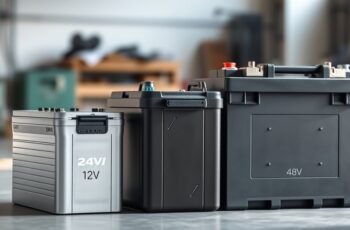
While the choice between lithium and lead acid batteries for golf carts may seem straightforward, the decision involves nuanced technical considerations that can substantially impact performance and cost-efficiency. Each option has distinct advantages and limitations rooted in their design and operational characteristics, making this a complex evaluation for anyone aiming to optimize their cart’s longevity and reliability. Understanding these differences can help you make a more informed choice—but what factors truly matter in this comparison?
Key Takeaways
- Lithium batteries offer higher energy capacity and longer cycle life compared to lead acid batteries.
- They require less maintenance and have a longer lifespan, reducing replacement frequency.
- Lithium batteries have a higher initial cost but lower long-term operating and replacement expenses.
- Lead acid batteries are cheaper upfront but pose environmental risks due to toxic materials.
- Lithium batteries provide better weight and space efficiency, enhancing golf cart performance.
How Do Lithium and Lead Acid Batteries Differ in Design and Technology?
While both lithium and lead acid batteries serve as reliable energy storage solutions, their fundamental designs and technological principles differ markedly. Lithium batteries utilize advanced battery chemistry, primarily involving lithium-ion cells, which enable higher energy density and lighter weight. Their internal structure features a solid electrolyte and cylindrical or prismatic cells, resulting in improved thermal management. Lead acid batteries, in contrast, rely on a flooded or sealed design with lead plates submerged in sulfuric acid, limiting energy density but offering proven durability. Charging technology also varies profoundly; lithium batteries support fast, multi-stage charging with precise voltage regulation, reducing cycle time and extending lifespan. Lead acid batteries require slower, more conservative charging to prevent sulfation and damage, reflecting their less sophisticated charge management systems.
Which Battery Type Offers Better Performance for Golf Carts?
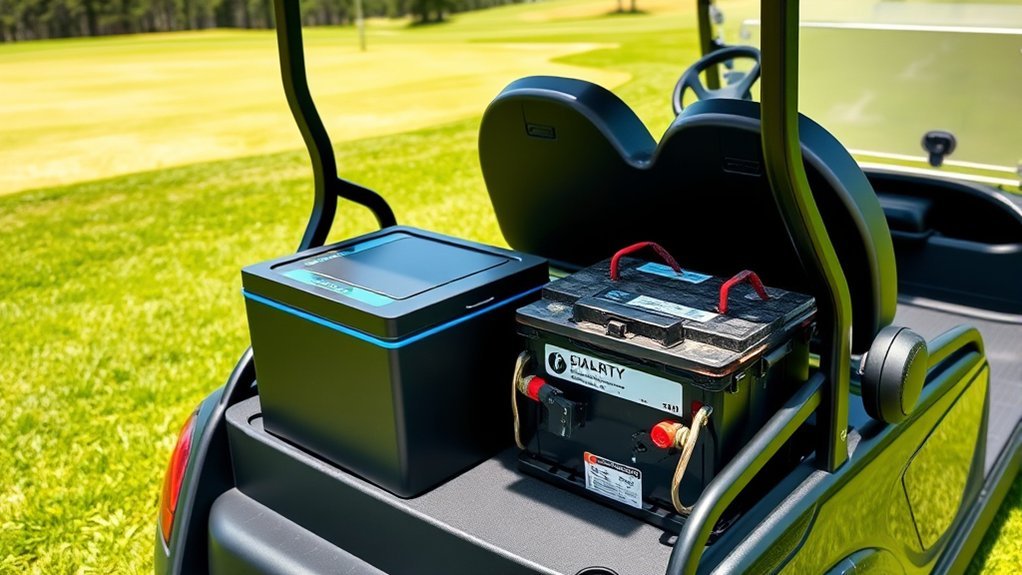
When evaluating the performance of lithium versus lead acid batteries for golf carts, several key factors come into play, including energy capacity, power output, and lifespan. Lithium batteries generally outperform lead acid in these areas, offering higher energy density and more consistent power delivery, which enhances overall performance. Additionally, lithium batteries boast longer cycle life, reducing frequent replacements and maintenance. From an environmental perspective, lithium batteries tend to have a lower environmental impact due to their longer lifespan and potential for battery recycling, though responsible disposal remains essential. Conversely, lead acid batteries have a well-established recycling infrastructure but pose greater environmental risks if not properly managed. Overall, lithium batteries offer superior performance metrics, making them a more efficient and sustainable choice for golf carts.
What Are the Cost Differences Between Lithium and Lead Acid Batteries?
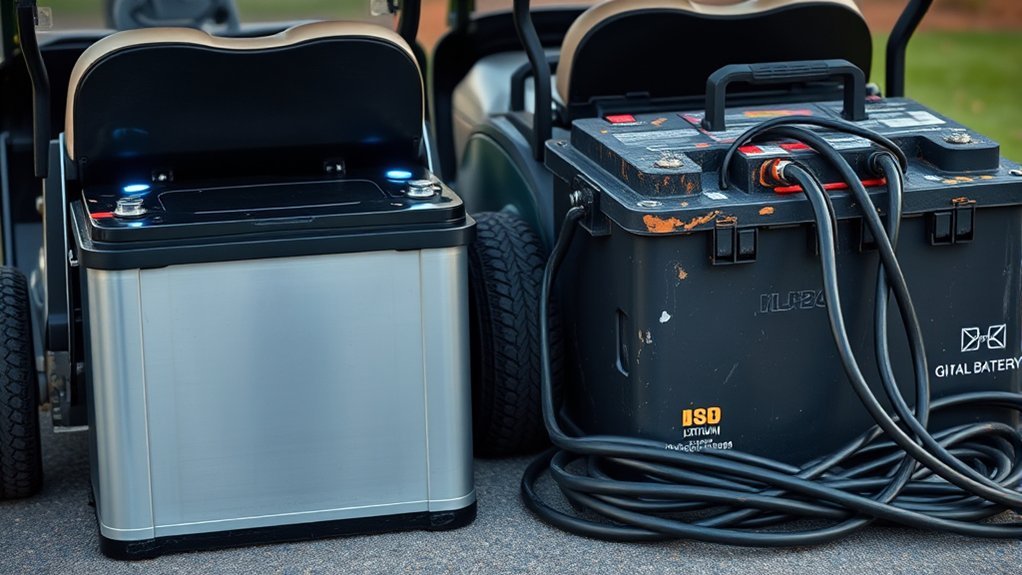
The initial cost difference between lithium and lead acid batteries is substantial and markedly influences overall investment decisions. Lithium batteries typically have a higher upfront cost, but their superior energy density and efficiency can offset this over time. Lead acid batteries are cheaper initially but require frequent replacements, increasing long-term expenses. When considering battery recycling, lithium batteries are more environmentally friendly, with processes that reduce hazardous waste and facilitate material recovery. Conversely, lead acid batteries pose a greater environmental impact due to the toxicity of lead and acid, demanding careful disposal and recycling. Although lithium batteries involve higher initial investment, their lower maintenance, extended lifespan, and reduced environmental footprint can make them more cost-effective in the long run.
How Do Maintenance and Lifespan Compare?
Lithium batteries generally require less maintenance than lead acid batteries, primarily because they do not need regular watering or equalization charges. This reduction in maintenance translates to fewer operational interruptions and lower ongoing costs. Regarding lifespan, lithium batteries typically last 8–10 years with proper management, whereas lead acid batteries often need replacement every 4–6 years. The longer lifespan of lithium batteries also impacts environmental considerations, as they generate less waste over time. Additionally, lithium batteries support more efficient battery recycling processes, minimizing environmental impact compared to lead acid batteries, which contain hazardous materials like sulfuric acid and lead. Consequently, the extended lifespan and cleaner recycling profile make lithium batteries a more sustainable choice in the long run.
Which Battery Is More Suitable for Your Golf Cart Needs and Budget?
Choosing the right battery for your golf cart depends on balancing performance needs with budget constraints. Lithium batteries generally offer higher efficiency, longer lifespan, and faster charging, but come with a higher upfront cost. Lead acid batteries are more affordable initially but require more maintenance and have shorter lifespans. From an environmental perspective, lithium batteries tend to have a lower environmental impact over their lifecycle due to improved energy efficiency and potential for battery recycling, reducing waste. Lead acid batteries, however, involve hazardous materials that require careful disposal and recycling, adding to environmental concerns. When evaluating options, consider not only purchase price but also long-term savings, environmental impact, and the availability of battery recycling programs. This all-encompassing approach helps determine the most suitable choice for your specific needs and budget.
What Factors Should You Consider When Choosing Between Lithium and Lead Acid?
When selecting between lithium and lead acid batteries for your golf cart, it’s essential to evaluate several critical factors that directly impact performance, cost-efficiency, and environmental sustainability. Key considerations include:
- Initial cost versus long-term savings: Lithium batteries often have higher upfront costs but lower maintenance expenses.
- Cycle life and durability: Lithium batteries typically offer more charge cycles, reducing replacement frequency.
- Battery recycling and environmental impact: Lithium batteries generally have a more sustainable recycling process, minimizing environmental harm.
- Weight and space efficiency: Lithium batteries are lighter and more compact, optimizing cart performance.
Assessing these factors helps guarantee an informed decision aligned with operational needs and environmental responsibilities.
Frequently Asked Questions
Are Lithium Batteries Environmentally Friendly Compared to Lead Acid?
Lithium batteries are more environmentally friendly than lead acid due to easier battery recycling and a lower manufacturing impact, reducing toxic waste. We analyze these factors to understand their true sustainability and ecological benefits.
How Quickly Can Lithium Batteries Be Recharged?
We find lithium batteries recharge rapidly, typically within 2 to 4 hours, thanks to their high charging speed. This efficiency extends battery lifespan, reducing downtime and enhancing overall performance compared to traditional lead acid options.
Can Lithium Batteries Be Safely Used in All Weather Conditions?
We believe lithium batteries are generally safe across various weather conditions, enhancing battery lifespan and cost efficiency. However, extreme temperatures can impact performance, so proper insulation and management systems are essential for maintaining safety and optimizing longevity.
What Are the Safety Risks Associated With Each Battery Type?
While lithium batteries minimize safety concerns with longer lifespans and lower maintenance, lead acid batteries pose risks like acid leaks and overheating; considering cost and durability, each has distinct safety implications impacting overall investment and usage.
Do Lithium Batteries Require Special Storage Considerations?
Lithium batteries require specific storage considerations, including maintaining a moderate state of charge and dry, cool conditions. Proper storage enhances battery maintenance and storage longevity, preventing capacity loss or safety hazards from temperature extremes or moisture exposure.
Conclusion
Ultimately, choosing between lithium and lead acid batteries hinges on a careful analysis of performance, costs, and sustainability. While lead acid may seem economical initially, lithium batteries deliver superior efficiency, longevity, and environmental benefits—making them the smarter investment over time. As we weigh these factors, it’s clear that the true value isn’t just in the price tag, but in the long-term performance and sustainability. After all, isn’t investing in innovation the key to a better, greener future?