When comparing lithium-ion and LiFePO4 batteries, understanding their distinct chemistries and safety profiles is essential for making informed decisions. Each type offers specific advantages and drawbacks that impact performance, longevity, and application suitability. As we examine their characteristics, it becomes clear that the choice depends on nuanced factors that influence long-term value and safety. Exploring these differences thoroughly can help determine which battery type aligns best with your needs.
Key Takeaways
- Lithium-ion batteries have higher energy density, suitable for portable electronics, while LiFePO4 offers higher power and safety for high-drain applications.
- LiFePO4 batteries provide greater thermal stability, making them safer and more resistant to thermal runaway than lithium-ion batteries.
- Lithium-ion batteries typically last 1,000-2,000 cycles; LiFePO4 batteries can last 2,000-5,000 cycles, reducing replacement costs.
- LiFePO4 batteries are more environmentally friendly, with less toxic materials and easier recycling compared to lithium-ion batteries.
- Lithium-ion batteries are cost-effective upfront but have higher long-term costs; LiFePO4 has higher initial cost but longer lifespan and lower total ownership cost.
What Are Lithium-Ion and LiFePO4 Batteries?
Lithium-ion and LiFePO4 batteries are two prominent types of rechargeable energy storage solutions, each with distinct chemical compositions and performance characteristics. Lithium-ion batteries utilize a lithium cobalt oxide or similar cathode, offering high energy density but posing challenges for battery recycling and environmental impact due to toxic materials. Conversely, LiFePO4 batteries employ lithium iron phosphate, providing enhanced thermal stability and longer cycle life, which can reduce waste and environmental footprint over time. The environmental impact of these batteries hinges on effective recycling processes; lithium-ion batteries require careful handling to prevent hazardous waste, while LiFePO4 batteries are considered more eco-friendly due to their less toxic components. Understanding these differences informs sustainable choices and responsible battery management strategies.
How Do Lithium-Ion and LiFePO4 Batteries Differ in Chemistry and Safety?
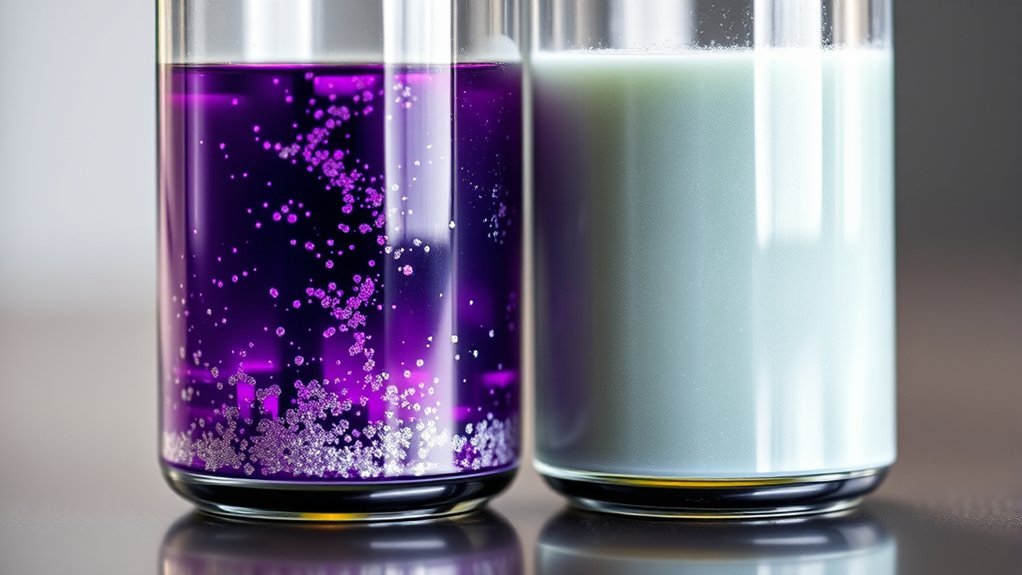
Although both lithium-ion and LiFePO4 batteries rely on lithium-based chemistries, their internal compositions differ considerably, resulting in distinct safety profiles. Lithium-ion batteries typically use cobalt or nickel cathodes, which are more prone to thermal runaway if damaged or improperly charged, raising safety concerns. In contrast, LiFePO4 batteries utilize iron phosphate cathodes, offering enhanced thermal stability and lower risk of overheating. These chemistry differences influence not only safety but also battery recycling and environmental impact; LiFePO4 batteries are generally safer to handle at end-of-life and pose fewer environmental hazards due to less toxic materials. This makes LiFePO4 more environmentally friendly, especially considering the importance of sustainable battery recycling practices.
Comparing Energy Density and Power Output of Lithium-Ion vs LiFePO4
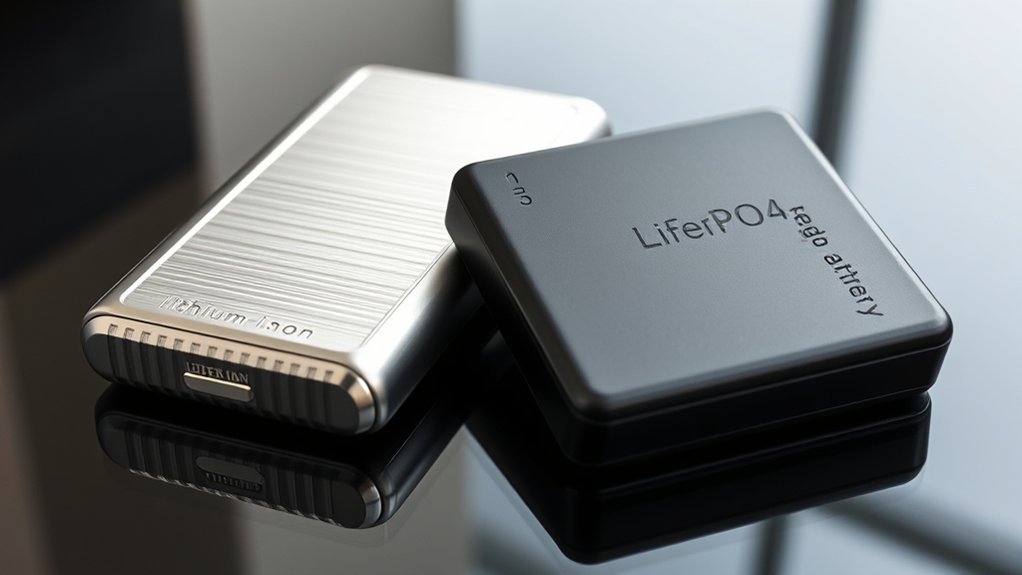
While both lithium-ion and LiFePO4 batteries employ lithium-based chemistries, their energy density and power output differ considerably, influencing their application suitability. Lithium-ion batteries typically offer higher energy density, enabling longer runtimes in compact designs. In contrast, LiFePO4 batteries have lower energy density but excel in delivering higher power output, making them ideal for high-drain applications. These differences also impact battery recycling processes; lithium-ion batteries require more complex recycling methods due to their chemical composition, affecting environmental impact. LiFePO4 batteries, being more stable and less toxic, present a more environmentally friendly option for recycling. Understanding these technical distinctions helps determine the most suitable battery selection aligned with efficiency, safety, and ecological considerations.
Which Battery Type Lasts Longer and Costs Less Over Time?
When evaluating long-term performance and cost-effectiveness, LiFePO4 batteries generally outperform lithium-ion options in both lifespan and overall expense. LiFePO4 cells tend to last 2,000 to 5,000 cycles, compared to 1,000 to 2,000 cycles for lithium-ion batteries, reducing replacement costs over time. Although initial costs may be higher for LiFePO4, their durability results in lower total ownership expenses. Additionally, LiFePO4 batteries have a more favorable environmental impact due to safer chemistry and easier battery recycling processes, which reduce hazardous waste. This sustainability aspect contributes to a longer-term economic advantage, especially when considering disposal costs. Overall, LiFePO4’s longevity and recyclability make it a more cost-effective and environmentally responsible choice over lithium-ion batteries.
Understanding Charging, Discharging, and Maintenance Needs for Both Batteries
Understanding the charging, discharging, and maintenance requirements of LiFePO4 and lithium-ion batteries is essential for optimizing their performance and lifespan. LiFePO4 batteries generally tolerate higher charge and discharge rates with less capacity fade, requiring careful voltage regulation to avoid overcharging. Lithium-ion batteries demand strict voltage control during charging to prevent thermal runaway. Proper maintenance involves avoiding deep discharges and ensuring balanced cell charging, which extends battery life. Additionally, both types benefit from appropriate storage conditions and regular monitoring. From an environmental perspective, proper battery recycling minimizes hazardous waste and reduces environmental impact. Recognizing these technical differences helps optimize performance, prolong lifespan, and guarantee responsible disposal, ultimately supporting sustainable energy practices and mitigating ecological consequences.
Which Battery Is Better for Your Specific Application?
Choosing the right battery depends on specific application requirements, cost considerations, and safety factors. We must evaluate how each chemistry aligns with operational demands, maintenance needs, and longevity expectations. By analyzing these points, we can determine which battery provides the most suitable balance for your particular use case.
Application Compatibility and Use
Selecting the appropriate battery type depends heavily on the specific demands of your application, as Lithium-ion and LiFePO4 batteries each excel in different scenarios. Lithium-ion batteries offer high energy density, making them suitable for portable electronics and electric vehicles where space is limited. Conversely, LiFePO4 batteries provide superior thermal stability and longer lifecycle, ideal for stationary storage and solar applications. Their environmental impact and ease of battery recycling also differ, with LiFePO4 being more environmentally friendly due to lower toxicity. The table below compares key application features:
| Feature | Lithium-ion | LiFePO4 |
|---|---|---|
| Energy Density | Highest | Moderate |
| Thermal Stability | Lower | Higher |
| Lifecycle | Shorter | Longer |
| Environmental Impact | Moderate | Lower |
| Suitable Applications | Portable devices, EVs | Stationary storage, solar |
Cost and Maintenance Factors
While both Lithium-ion and LiFePO4 batteries present distinct cost and maintenance profiles, their economic viability largely depends on the specific application’s operational demands and lifecycle expectations. Lithium-ion batteries generally incur higher manufacturing costs due to complex production processes and materials, but they benefit from widespread recycling infrastructure, potentially reducing long-term disposal costs. Conversely, LiFePO4 batteries typically have lower manufacturing costs and require less frequent maintenance, owing to their stable chemistry and thermal stability, which reduces wear and tear. Battery recycling plays a critical role in both types, influencing overall lifecycle costs and environmental impact. Selecting the appropriate battery hinges on analyzing these factors alongside expected usage and lifecycle duration, ensuring cost-effective operation tailored to your application’s demands.
Safety and Longevity Considerations
When evaluating safety and longevity, it’s important to take into account the inherent chemistry and thermal stability of each battery type, as these factors directly impact their suitability for specific applications. Lithium-ion batteries, while offering high energy density, pose greater thermal runaway risks, necessitating rigorous safety measures. Conversely, LiFePO4 batteries exhibit superior thermal stability and longer cycle life, reducing risks related to overheating and enhancing longevity. Their durability also benefits battery recycling efforts, minimizing environmental impact over time.
| Feature | Lithium-Ion | LiFePO4 |
|---|---|---|
| Safety | Moderate risk, needs safeguards | High stability, safer |
| Longevity | 500-1,000 cycles | 2,000+ cycles |
| Environmental impact | Higher due to recycling challenges | Lower, easier to recycle |
| Thermal stability | Moderate | Superior |
Key Factors to Consider When Choosing Between Lithium-Ion and LiFePO4
Choosing between lithium-ion and LiFePO4 batteries requires careful consideration of several key factors that directly impact performance, safety, and cost-effectiveness. These factors include efficiency, lifespan, environmental impact, and recyclability.
- Battery recycling: LiFePO4 batteries generally have a more straightforward recycling process, reducing long-term waste.
- Environmental impact: LiFePO4’s lower toxicity and more sustainable sourcing make it environmentally preferable.
- Cost considerations: Initial costs for lithium-ion batteries might be lower, but lifecycle costs favor LiFePO4 due to longer durability.
- Performance needs: Lithium-ion offers higher energy density, suitable for compact applications, while LiFePO4 excels in stability and safety.
Assessing these factors helps optimize choices aligned with safety, sustainability, and operational demands.
Frequently Asked Questions
Are Lifepo4 Batteries Environmentally Friendly Compared to Lithium-Ion?
We believe LiFePO4 batteries are more eco-friendly, utilizing eco-friendly materials and having a lower manufacturing impact. Their longer lifespan reduces waste, making them a sustainable choice compared to traditional lithium-ion batteries, which involve more harmful processes.
How Do Temperature Tolerances Affect Battery Performance?
Like a seasoned sailor steering through storms, we find temperature tolerances vital; thermal stability and ideal temperature range directly impact battery performance, ensuring safety and longevity, especially in extreme conditions where deviations can cause efficiency drops or damage.
Can Lifepo4 Batteries Be Used in High-Drain Devices?
We find LiFePO4 batteries are highly compatible with high-drain devices, offering consistent power delivery and low internal resistance. Their stable chemistry guarantees reliable performance under demanding conditions, making them a suitable choice for high-current applications.
What Are the Recycling Options for Each Battery Type?
Did you know over 90% of lithium batteries are recyclable? We explore battery disposal and recycling methods: for lithium-ion, processes recover valuable metals; for Lifepo4, recycling emphasizes reducing environmental impact, ensuring sustainable, efficient reuse of key materials in both battery types.
How Does Weight Influence Battery Choice for Portable Applications?
Weight impact profoundly influences battery choice for portability considerations; lighter batteries enhance ease of use and mobility, making them preferable for portable applications. We analyze these factors to optimize performance, balancing weight, capacity, and safety requirements effectively.
Conclusion
Ultimately, choosing between lithium-ion and LiFePO4 batteries is like selecting the right tool for a precise job—each has its strengths and trade-offs. Lithium-ion’s high energy density fuels portable needs, while LiFePO4’s stability offers peace of mind for long-term, safety-critical applications. By analyzing your specific requirements and weighing factors like lifespan, safety, and cost, we can navigate this complex landscape to make an informed, strategic decision—powering your projects with the right energy source.