Recent estimates suggest that solid-state batteries could increase energy density by up to 50% compared to traditional lithium-ion cells, promising longer range and enhanced safety. As we analyze the fundamental differences in their composition and performance, it’s clear that each technology offers unique advantages and challenges for EV applications. Understanding these nuances is essential for predicting which battery type will lead the future of electric mobility—an area that continues to evolve rapidly.
Key Takeaways
- Solid-state batteries offer higher safety and thermal stability due to their non-flammable solid electrolytes.
- They provide higher energy density, enabling longer driving ranges compared to lithium-ion batteries.
- Solid-state batteries are easier to recycle and produce less hazardous waste, reducing environmental impact.
- Lithium-ion batteries benefit from mature manufacturing processes, resulting in lower costs and widespread availability.
- Manufacturing challenges and higher costs currently limit the commercial adoption of solid-state battery technology.
How Do Solid-State and Lithium-Ion Batteries Differ in Composition?
While both solid-state and lithium-ion batteries serve as energy storage solutions for electric vehicles, their fundamental compositions differ considerably. Lithium-ion batteries rely on liquid electrolytes, typically organic solvents, which facilitate ion movement but pose safety risks and complicate battery recycling. In contrast, solid-state batteries employ a solid electrolyte, such as ceramic or sulfide materials, enhancing safety and stability. This difference impacts their environmental footprint; solid-state batteries generally generate less hazardous waste and are easier to recycle, reducing environmental impact. Lithium-ion batteries, however, contain more toxic materials that require complex recycling processes. These compositional distinctions influence not only performance but also sustainability considerations, making solid-state batteries a potentially more environmentally friendly option moving forward.
What Are the Advantages of Solid-State Batteries for Electric Vehicles?
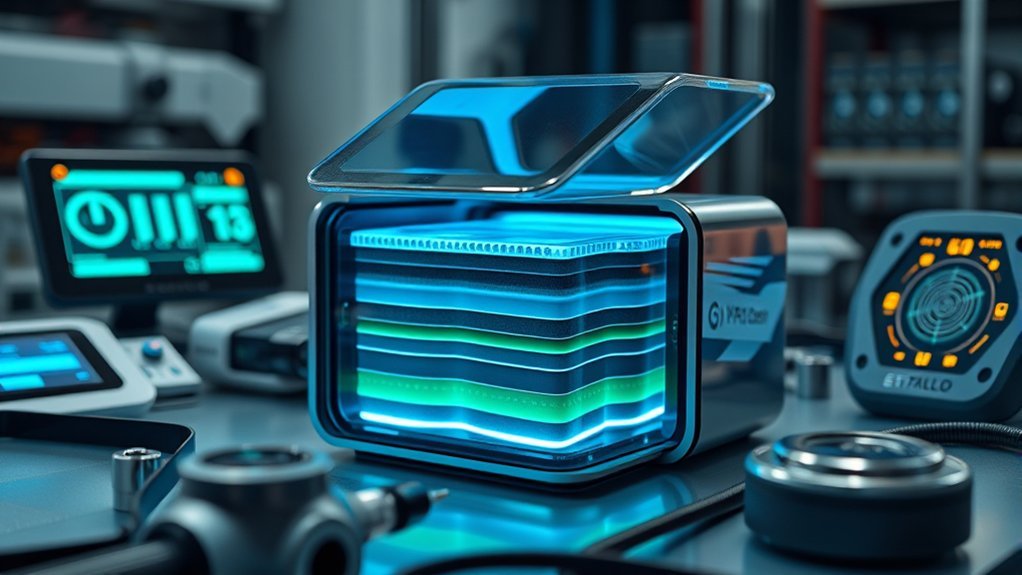
The unique composition of solid-state batteries offers several significant advantages over traditional lithium-ion systems, particularly in the context of electric vehicle applications. Their solid electrolytes enhance safety by reducing flammability risks and enable higher energy densities, which translate into longer driving ranges. Additionally, solid-state batteries exhibit improved thermal stability, decreasing the likelihood of overheating. From an environmental perspective, these batteries simplify recycling processes, potentially reducing environmental impact and toxic waste. Furthermore, their durability extends lifespan, lowering replacement frequency. In conclusion, the use of fewer hazardous materials can lead to more sustainable battery manufacturing and disposal practices. These attributes collectively position solid-state batteries as a promising advancement for EV technology, addressing both performance and ecological concerns in the shift to cleaner transportation.
How Do Lithium-Ion Batteries Perform in Terms of Range and Charging Speed?

Lithium-ion batteries have become the standard energy source for electric vehicles due to their relatively high energy density and mature technology. They provide an impressive range, often exceeding 300 miles per charge, but charging speed varies with infrastructure and battery management systems. Fast charging can replenish 80% in approximately 30 minutes, although this accelerates battery degradation over time. Recycling efforts are essential to mitigate environmental impact, as lithium extraction and disposal pose ecological concerns. Below is a comparison of key performance metrics:
| Parameter | Lithium-Ion Batteries | Solid-State Batteries |
|---|---|---|
| Range | Up to 370 miles | Potentially higher with denser chemistries |
| Charging Speed | 30-45 minutes for 80% charge | Faster in development, expected improvements |
| Battery Recycling | Complex, environmental challenges | Easier, less toxic materials |
| Environmental Impact | Significant due to resource extraction | Reduced, owing to safer materials |
What Are the Safety Considerations for Both Battery Types?
Advancements in battery technology have considerably improved safety standards, but inherent risks remain for both lithium-ion and solid-state batteries. Lithium-ion batteries pose fire hazards due to thermal runaway, while solid-state batteries reduce this risk with non-flammable electrolytes. Safety considerations also include:
Advancements improve safety, but risks like thermal runaway and dendrite formation still require careful management.
- Risk of dendrite formation leading to short circuits
- Challenges in battery recycling impacting environmental impact
- Potential for electrolyte leakage or degradation
- Mechanical integrity under stress or impact
- Thermal management requirements to prevent overheating
Both types require rigorous safety protocols, especially during manufacturing and recycling phases, to mitigate environmental impact. Although solid-state batteries promise enhanced safety, understanding and addressing these risks is crucial for ensuring reliable, eco-friendly adoption in EVs.
What Are the Current Manufacturing Challenges for Solid-State Batteries?
Despite significant progress in research, manufacturing solid-state batteries remains a complex challenge due to their intricate material requirements and production processes. Achieving consistent quality is hindered by difficulties in identifying stable, scalable electrolyte materials that guarantee high ionic conductivity. Material sustainability also presents hurdles, as sourcing and recycling these advanced materials require development of efficient battery recycling methods to reduce waste and environmental impact. Additionally, integrating solid electrolytes with electrodes demands precise fabrication techniques to prevent interface degradation, which impacts performance and longevity. Scaling production from laboratory to industrial levels introduces further challenges in maintaining uniformity and cost-effectiveness. Addressing these manufacturing obstacles involves advancing material stability, optimizing recycling strategies, and refining fabrication processes to make solid-state batteries a viable commercial alternative.
How Do Costs Compare Between Solid-State and Lithium-Ion EV Batteries?
The cost comparison between solid-state and lithium-ion EV batteries hinges on multiple factors, including raw material expenses, manufacturing complexity, and economies of scale. Solid-state batteries currently face higher production costs due to complex fabrication processes and limited mass production experience. Conversely, lithium-ion batteries benefit from mature manufacturing infrastructure, reducing costs.
Key cost considerations include:
- Raw material prices, especially for electrolytes and cathodes
- Manufacturing scale and automation levels
- Battery recycling efficiency impacting lifecycle costs
- Environmental impact costs related to raw material extraction
- Potential future reductions via technological advancements
While lithium-ion batteries are more cost-effective today, solid-state batteries promise lower long-term costs through improved safety, lifespan, and environmental impact, despite higher initial investments.
What Future Innovations Could Shape Battery Technology for EVs?
Advancements in solid-state materials could substantially enhance battery safety, energy density, and longevity, making them more viable for widespread EV use. Concurrently, innovations in fast charging technologies are vital for reducing charging times and improving user convenience. Together, these developments have the potential to redefine the performance and adoption barriers of future battery systems.
Solid-State Material Advances
Emerging developments in solid-state materials hold the potential to revolutionize EV battery technology by addressing key limitations of current lithium-ion systems. Advances in solid electrolytes, such as sulfide and oxide ceramics, promise higher energy densities and improved safety. These materials can reduce reliance on liquid electrolytes, minimizing risks of thermal runaway. Additionally, their compatibility with lithium metal anodes could enhance battery longevity and capacity. From an environmental perspective, solid-state innovations may facilitate easier battery recycling, lowering ecological impact. Future research also targets scalable manufacturing techniques, *vital* for commercial viability. Key innovations include:
- Enhanced electrolyte stability and conductivity
- Integration of eco-friendly, recyclable materials
- Development of solid electrolyte interfaces to extend lifespan
- Reduction of hazardous waste during production
- Lower environmental footprint through sustainable sourcing
Fast Charging Technologies
As electric vehicle adoption accelerates, the demand for rapid charging solutions becomes increasingly urgent to match conventional refueling times. Innovations in fast charging technologies focus on minimizing battery degradation and environmental impact while improving recharge speeds. Emerging methods include advanced thermal management and solid-state electrolytes, which enable higher current flow without overheating. Additionally, faster charging facilitates better integration of battery recycling, reducing resource extraction and waste.
| Innovation | Impact |
|---|---|
| High-current fast chargers | Reduce charging time |
| Solid-state electrolytes | Improve safety and longevity |
| Thermal management systems | Minimize heat-related degradation |
| Intelligent charging algorithms | Optimize energy flow and battery health |
| Eco-friendly recycling techniques | Lower environmental impact |
Which Battery Type Is Better Suited for Different Electric Vehicle Use Cases?
Choosing the appropriate battery type for an electric vehicle depends heavily on the specific use case and performance demands. Solid-state batteries excel in applications requiring higher energy density and safety, making them suitable for long-distance travel and premium EVs. Lithium-ion batteries, with their mature technology and established supply chains, are ideal for mass-market vehicles and urban commuting. When considering environmental impact, lithium-ion batteries are more recyclable but pose challenges in battery recycling efficiency. Solid-state batteries potentially reduce environmental concerns due to fewer toxic materials, yet their manufacturing process is still evolving. Use cases vary from daily city driving to high-performance racing, where different factors like energy density, safety, and lifecycle influence suitability. Ultimately, matching battery chemistry to use case optimizes performance, sustainability, and cost.
Frequently Asked Questions
How Long Do Solid-State Batteries Typically Last Compared to Lithium-Ion Ones?
We find solid-state batteries generally surpass lithium-ion ones in battery longevity due to superior material durability, often lasting 2-3 times longer, though actual lifespan depends on usage conditions and advancements in manufacturing processes.
Are There Environmental Impacts Unique to Solid-State Battery Production?
We recognize solid-state battery production faces unique environmental impacts through eco-friendly materials and manufacturing challenges, potentially reducing long-term ecological footprints. However, these hurdles demand advanced techniques, making the environmental benefits both promising and technically complex to realize.
Can Solid-State Batteries Operate Effectively at Very Low Temperatures?
Solid-state batteries can operate effectively at low temperatures due to their enhanced electrolyte stability, which reduces ion mobility issues, and improved thermal management, enabling consistent performance without significant capacity loss in cold environments.
What Are the Recycling Options for Solid-State Versus Lithium-Ion Batteries?
We find that lithium-ion batteries face recycling challenges due to toxic electrolytes, while solid-state batteries offer safer options; 95% of lithium-ion components are recyclable, but solid-state recycling requires advanced processes, highlighting safety and technical hurdles.
How Scalable Is Solid-State Battery Manufacturing for Mass-Market EVS?
We find solid-state battery manufacturing is becoming increasingly scalable for mass-market EVs, though manufacturing costs remain high, and supply chain development is critical for large-scale production; ongoing innovations aim to address these scalability challenges effectively.
Conclusion
While solid-state batteries promise enhanced safety and higher energy density, their current manufacturing hurdles limit widespread adoption, unlike mature lithium-ion technology. Yet, as we look ahead, innovations could bridge this gap, making solid-state the standard for premium EVs. The choice ultimately depends on our priorities—safety and performance versus cost and mass-market readiness—highlighting that the future of EV batteries will likely blend both advancements for diverse vehicle needs.