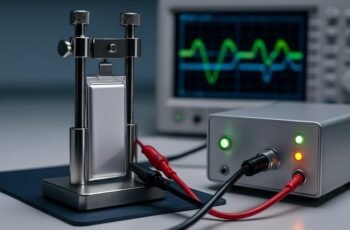
When evaluating motorcycle lithium starter batteries, it’s essential to understand their underlying chemistry, safety features, and performance metrics to make an informed choice. With numerous brands and models available, comparing their specifications, longevity, and compatibility can be complex. We’ll explore these technical details and practical considerations, helping you determine which options best suit your riding needs—an analysis that could profoundly impact your bike’s reliability and efficiency.
Key Takeaways
- Compare battery chemistry, focusing on lithium iron phosphate (LiFePO4) for safety and longevity.
- Evaluate performance metrics like cold cranking amps (CCA) and cycle life across top brands.
- Consider safety features such as built-in BMS and environmental sustainability practices.
- Assess weight, size, and cost differences between lithium and traditional lead-acid batteries.
- Review installation, maintenance requirements, and user experiences for optimal reliability.
What Are Motorcycle Lithium Starter Batteries and How Do They Work?
Although traditional lead-acid batteries have long been standard for motorcycle starting systems, lithium starter batteries have emerged as a compact, lightweight, and more efficient alternative. These batteries utilize lithium-ion or lithium-polymer chemistry, offering higher energy density and faster discharge rates. The battery chemistry allows for a reduced internal resistance, enabling quicker power delivery during engine start-up. Lithium starter batteries are compatible with specific charging methods, typically requiring chargers designed for lithium-ion chemistries to prevent overcharging or damage. They often support multi-stage charging processes that optimize battery lifespan and performance. Overall, their advanced chemistry and tailored charging methods contribute to their superior efficiency, longer lifespan, and reduced weight, making them a compelling upgrade for motorcycle enthusiasts seeking reliable, high-performance power sources.
Key Factors to Consider When Choosing a Lithium Starter Battery
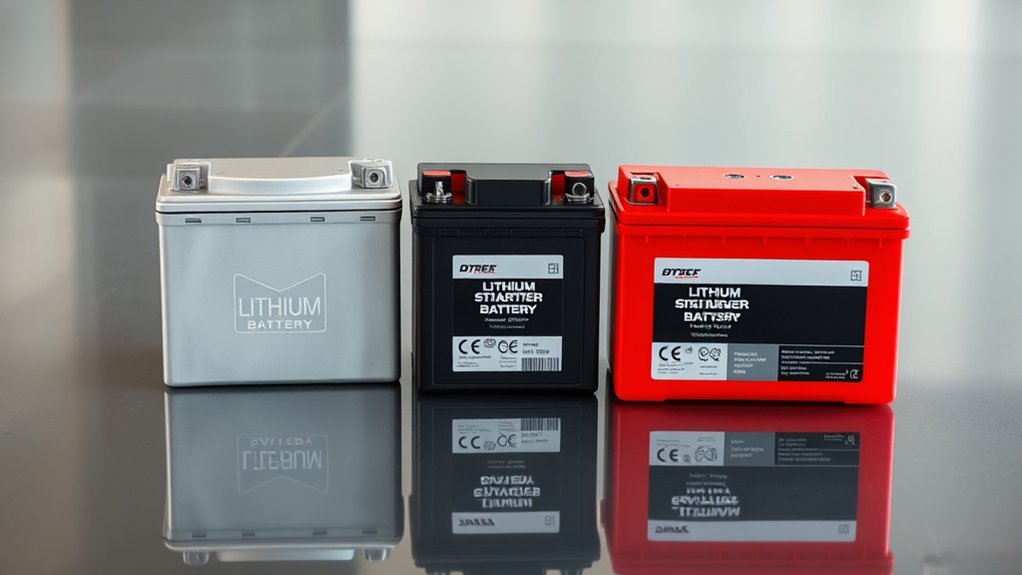
When selecting a lithium starter battery for your motorcycle, it’s essential to evaluate several technical factors to guarantee compatibility, performance, and longevity. Battery chemistry plays a pivotal role; lithium iron phosphate (LiFePO4) batteries, for example, offer stability, thermal safety, and longer cycle life compared to other chemistries. Additionally, understanding suitable charging methods is indispensable—these batteries require specific chargers designed for lithium chemistry to prevent overcharging or damage. Proper charging protocols, including voltage limits and current regulation, optimize battery lifespan and reliability. Compatibility with your motorcycle’s electrical system, discharge rates, and thermal management are also critical considerations. By focusing on these technical aspects, you guarantee your lithium starter battery delivers consistent performance, safety, and durability over its operational life.
Comparing Top Motorcycle Lithium Starter Battery Brands and Models
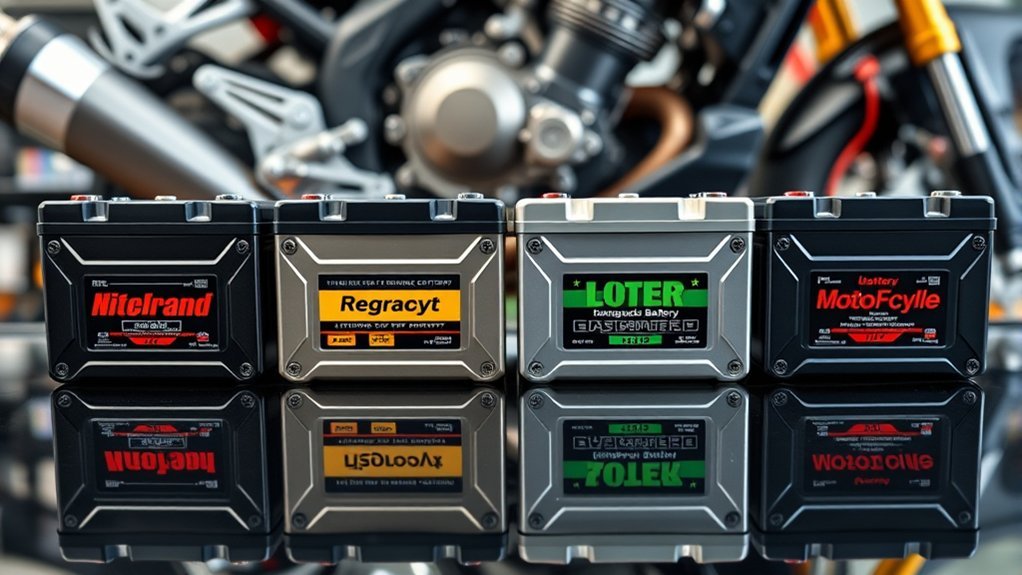
When comparing top motorcycle lithium starter batteries, we focus on brand reputation and consistency in key performance features such as cold cranking amps, cycle life, and voltage stability. These metrics directly impact reliability and longevity under demanding conditions. By examining the technical specifications and real-world test results, we can identify which models deliver ideal performance for specific motorcycle applications.
Top Brands Overview
Have you considered how the leading motorcycle lithium starter battery brands compare regarding performance, dependability, and technological features? Brands like Shorai, Antigravity, and Ballistic use advanced lithium iron phosphate chemistry, which enhances cycle life and reduces weight. Superior battery recycling processes are integral to their manufacturing, minimizing environmental impact and promoting sustainability. These brands prioritize safety features like built-in BMS (Battery Management Systems) to prevent overcharge, overheating, and short circuits, ensuring reliable performance. Additionally, their focus on environmental responsibility extends to eco-friendly packaging and disposal options, reducing the ecological footprint. When comparing brands, it’s essential to evaluate not just initial power output but also longevity, eco-conscious practices, and commitment to battery recycling efforts, which collectively influence overall dependability and environmental impact.
Key Performance Features
Evaluating the key performance features of top motorcycle lithium starter batteries requires a detailed comparison of specifications such as cold cranking amps (CCA), reserve capacity, cycle life, and charge retention. These parameters directly affect starting reliability and battery longevity. For instance, higher CCA values ensure better cold weather performance, while extended cycle life indicates durability. Charge retention minimizes power loss during storage, reducing battery recycling frequency and environmental impact. Consider the following comparison:
| Model | CCA (A) | Cycle Life | Reserve Capacity (min) |
|---|---|---|---|
| Model A | 300 | 2000 | 15 |
| Model B | 350 | 2500 | 20 |
| Model C | 400 | 3000 | 18 |
Choosing batteries with excellent performance features supports sustainability and responsible disposal practices.
Pros and Cons of Lithium vs. Traditional Lead-Acid Motorcycle Batteries
When comparing lithium and traditional lead-acid motorcycle batteries, weight and size differences considerably impact motorcycle handling and storage efficiency. Lithium batteries generally offer superior charge retention and a longer lifespan, but they come at a higher initial cost and may require specific maintenance considerations. Evaluating these factors helps determine which battery type aligns best with your motorcycle’s performance needs and long-term operational costs.
Weight and Size Differences
Why do lithium motorcycle batteries often outperform traditional lead-acid batteries regarding size and weight? The answer lies in their distinct battery chemistry, which enables a much higher energy density in a compact form. Lithium-ion cells pack more energy per unit volume and weight, allowing these batteries to be considerably smaller and lighter. This reduction in size benefits weight distribution, improving handling and balance, especially in performance-oriented bikes. Unlike lead-acid batteries, which rely on bulky plates and heavy electrolytes, lithium batteries use lightweight, solid-state components. Consequently, they minimize overall weight without sacrificing cranking power. This precise engineering enhances motorcycle ergonomics and reduces strain on the frame, making lithium batteries an ideal choice for riders seeking efficiency and performance through optimal weight and space management.
Charge Retention and Lifespan
Lithium motorcycle batteries demonstrate notable advantages in charge retention and overall lifespan compared to traditional lead-acid batteries. Lithium’s low self-discharge rate allows them to hold a charge longer when unused, often maintaining 80% capacity after several months, unlike lead-acid types that may drop below 50%. This improved retention extends lifespan, as lithium batteries typically endure 2000-3000 charge cycles, whereas lead-acid options average around 500 cycles. Proper charging techniques, such as using a compatible charger with voltage regulation, prevent overcharging and thermal stress, further prolonging battery life. Additionally, lithium batteries are more environmentally friendly, as they are designed for efficient battery recycling. Their durability and longevity make them a reliable choice, reducing replacement frequency and supporting sustainable battery lifecycle management.
Cost and Maintenance Factors
Although lithium motorcycle batteries typically have a higher initial purchase price, they offer several long-term cost advantages over traditional lead-acid options. First, their lower self-discharge rate reduces maintenance and recharging frequency, saving time and energy. Second, they have a longer lifespan—often twice as long—decreasing replacement costs. Third, lithium batteries contain fewer hazardous materials, positively impacting environmental impact and simplifying disposal. Fourth, their superior battery safety minimizes risks of leaks and corrosion, reducing repair expenses. However, initial costs are higher, and specialized chargers are recommended. Despite this, the reduced maintenance frequency and extended lifespan make lithium batteries a more economical choice in the long run, especially considering environmental and safety benefits.
How to Install and Maintain Your Motorcycle Lithium Starter Battery
Installing and maintaining your motorcycle lithium starter battery requires careful attention to detail to guarantee peak performance and longevity. Prioritize battery safety by disconnecting the negative terminal first during installation to prevent short circuits, and ensure all connections are secure and corrosion-free. When maintaining, regularly inspect terminals for corrosion and clean with a wire brush if needed. Storage tips are vital; store the battery in a cool, dry place away from direct sunlight and avoid exposing it to extreme temperatures that could degrade its capacity. Always use a compatible charger with built-in safety features to prevent overcharging, which can damage the battery. Proper handling and storage notably extend battery life and ensure reliable starting performance.
Recognizing Signs It’s Time to Replace Your Lithium Battery
Over time, signs of diminished performance emerge that indicate it’s time to replace your lithium motorcycle battery. Recognizing these signs helps prevent unexpected breakdowns and minimizes environmental impact through proper battery recycling. Key indicators include:
Recognizing signs of battery wear prevents breakdowns and encourages eco-friendly recycling.
- Reduced Cranking Power – Difficulty starting the engine signals decreased capacity.
- Voltage Drop – Voltage consistently below the recommended threshold under load suggests degradation.
- Increased Self-Discharge – Rapid battery drain during storage indicates aging.
- Physical Damage or Swelling – Visible deformities or leaks point to internal failure and need for safe disposal.
Monitoring these signs ensures ideal performance and aligns with responsible environmental practices by encouraging battery recycling, reducing hazardous waste, and supporting sustainability efforts.
Tips to Maximize Battery Lifespan and Performance
To maximize the lifespan and performance of your motorcycle lithium starter battery, routine maintenance and proper handling are essential. Regularly inspect terminals for corrosion and guarantee secure connections to prevent voltage drops. Avoid deep discharges, as repeated low-voltage states can degrade internal components. Use a compatible charger with proper voltage regulation to prevent overcharging, which can harm battery chemistry. Proper storage during off-season periods involves keeping the battery in a cool, dry environment and maintaining a partial charge. Responsible battery recycling at end-of-life minimizes environmental impact, reducing hazardous waste and promoting sustainability. Implementing these practices not only extends your battery’s functional life but also supports eco-friendly disposal, aligning with environmentally conscious riding habits.
Real-World Performance: User Experiences and Reviews
Many riders report that motorcycle lithium starter batteries deliver consistent and reliable performance under a variety of conditions, often outperforming traditional lead-acid options in cold starts and overall longevity. Users highlight their rapid charging capabilities, which minimize downtime, especially in cold weather. Additionally, lithium batteries’ high energy density ensures sustained power output during extended rides. Regarding environmental impact, riders appreciate their lower weight, which contributes to fuel efficiency, and note that battery recycling initiatives help mitigate ecological concerns. Key observations include:
- Superior cold-start performance compared to lead-acid counterparts.
- Faster recharge times and higher cycle life.
- Reduced environmental footprint through recycling programs.
- Minimal self-discharge, maintaining charge during storage.
These factors demonstrate why lithium batteries are increasingly preferred in real-world motorcycle applications.
Final Tips for Selecting the Best Motorcycle Lithium Starter Battery
Selecting the right motorcycle lithium starter battery requires careful consideration of several technical factors to guarantee peak performance and compatibility. Prioritize battery safety by choosing models with built-in protection circuits that prevent overcharging, thermal runaway, and short circuits, reducing fire risks and prolonging lifespan. Additionally, assess the environmental impact; opt for batteries with environmentally friendly manufacturing processes and recyclable components to minimize ecological harm. Pay attention to the battery’s capacity, cold-cranking amps, and voltage ratings to ensure ideal starting power. Compatibility with your motorcycle’s electrical system is essential to prevent damage. Finally, consider manufacturers that provide extensive safety certifications and prioritize sustainable practices, ensuring your choice supports both reliable performance and eco-consciousness.
Frequently Asked Questions
Are Lithium Batteries Safe to Use in All Motorcycle Models?
We believe lithium batteries are generally safe for most motorcycles, but consider battery weight and charging safety; some models require specific compatibility or additional safety precautions, so always consult your motorcycle’s manufacturer and follow proper charging protocols.
How Do Temperature Changes Affect Lithium Battery Performance?
Sure, thermal effects shake up lithium batteries’ voltage stability during temperature swings, causing performance dips. We see this firsthand—cold reduces power, heat accelerates degradation—making thermal management essential for maintaining consistent voltage and reliable motorcycle starts.
Can Lithium Batteries Be Recycled or Disposed of Easily?
We can recycle lithium batteries through specialized battery recycling programs, which safely extract valuable materials, while proper disposal methods involve following local regulations to prevent environmental harm. Always consult certified facilities for responsible lithium battery disposal.
Do Lithium Batteries Require Special Chargers or Charging Procedures?
Like delicate dancers, lithium batteries require specific choreography; their charging compatibility demands specialized chargers to guarantee proper battery maintenance, preventing damage or safety hazards. Always follow manufacturer guidelines for ideal performance and longevity.
What Is the Typical Lifespan of a Motorcycle Lithium Starter Battery?
We find that motorcycle lithium starter batteries typically last 3-5 years, depending on battery capacity and proper charging methods. Consistent maintenance, avoiding overcharging, and using specialized chargers help maximize lifespan and guarantee reliable performance over time.
Conclusion
In our experience, upgrading to a lithium starter battery isn’t just about weight reduction; it’s about embracing a technological leap that enhances reliability and performance. While some might doubt its longevity or safety, thorough BMS integration and advances in chemistry prove otherwise. We believe that with proper care, these batteries can outperform traditional options, transforming your riding experience. Embracing lithium technology isn’t just a trend—it’s a forward-thinking choice grounded in meticulous engineering and proven benefits.