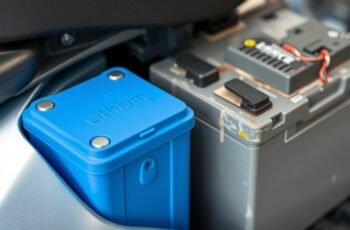
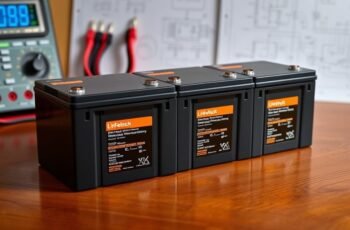
When choosing a motorcycle battery, understanding the differences between lithium and AGM technologies is vital for peak performance and safety. Both options offer distinct advantages and drawbacks, from weight and lifespan to cost and temperature resilience. Making an informed decision requires analyzing these factors in relation to your riding habits and maintenance preferences. As we explore these technologies, you’ll see that selecting the right battery isn’t just about initial cost but also long-term reliability and safety considerations.
Key Takeaways
- Lithium batteries are significantly lighter (40-60%) and offer better handling and acceleration compared to heavier AGM batteries.
- Lithium batteries have a longer lifespan (8-10 years) and require less maintenance than AGM batteries, which last 3-5 years.
- AGM batteries are more environmentally friendly to recycle but contain lead and corrosive acid, posing disposal risks.
- Lithium batteries perform better in cold temperatures, while AGM batteries excel in hot environments.
- Initial cost is higher for lithium batteries, but they offer better long-term value due to durability and low maintenance.
How Do Lithium and AGM Batteries Differ in Technology?
While both lithium and AGM batteries serve as reliable power sources for motorcycles, their underlying technologies differ considerably. Lithium batteries utilize lithium-ion cells, which store energy through the movement of lithium ions between anodes and cathodes, enabling high energy density and fast charging. AGM batteries, on the other hand, employ absorbed glass mat separators soaked in electrolyte, making them spill-proof and robust. From an environmental perspective, lithium batteries pose challenges related to battery recycling and resource extraction, impacting their overall environmental footprint. AGM batteries are generally easier to recycle but contain lead and other materials with environmental risks. Understanding these technological distinctions clarifies their respective environmental impacts, with lithium batteries offering advantages in weight and efficiency but requiring careful management of recycling processes to minimize ecological harm.
Which Battery Is Lighter and Why Does Weight Matter?
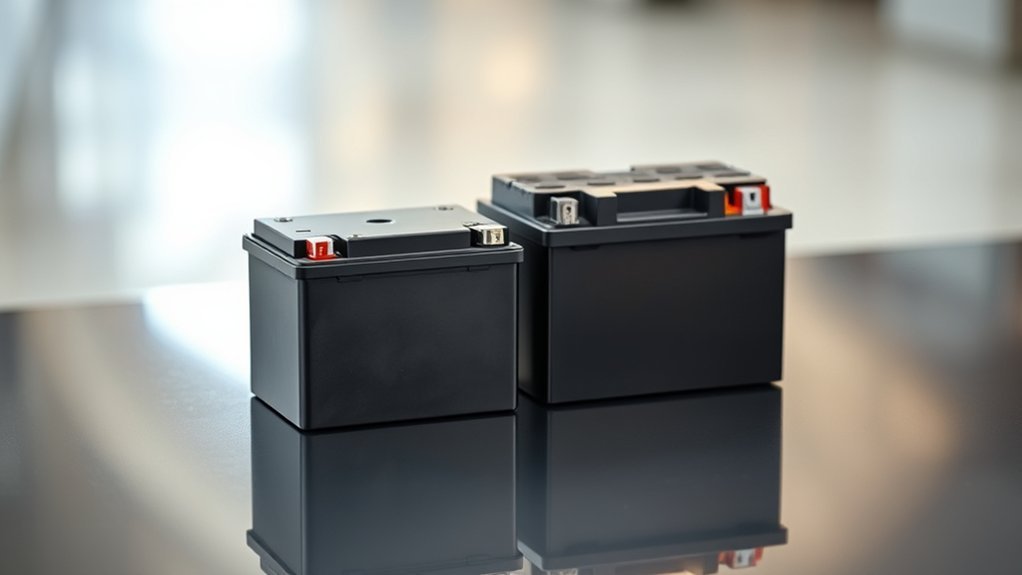
Lithium batteries are considerably lighter than AGM counterparts due to their higher energy density and compact construction. This weight reduction directly enhances motorcycle handling, acceleration, and fuel efficiency by lowering the overall vehicle mass. Understanding the impact of weight on performance underscores why choosing a lighter battery can be a critical factor in motorcycle optimization.
Lithium’s Lightweight Advantage
Because weight directly impacts motorcycle performance and handling, lithium batteries offer a significant advantage due to their lower mass compared to AGM batteries. This reduced weight enhances maneuverability and reduces strain on the motorcycle’s frame, improving overall efficiency. Lithium batteries are approximately 40-60% lighter than traditional AGM batteries, owing to their higher energy density and compact design. This lightweight nature also facilitates easier installation and reduces vibrations that can affect component longevity. Additionally, while lithium batteries present advantages in weight, their environmental impact and battery recycling processes are critical considerations. Proper recycling practices mitigate environmental concerns, ensuring that the lighter, more efficient lithium batteries do not compromise sustainability goals. Overall, weight savings contribute to both performance benefits and environmental responsibility.
Impact on Motorcycle Performance
The weight difference between lithium and AGM batteries directly influences motorcycle performance, affecting handling, acceleration, and overall ride quality. Lithium batteries are considerably lighter, which enhances maneuverability and reduces strain on suspension components. This weight reduction can improve acceleration responsiveness and fuel efficiency. Additionally, lighter batteries ease battery recycling efforts and enable faster, more efficient charging methods. The table below compares their impacts:
| Aspect | Lithium Battery | AGM Battery |
|---|---|---|
| Weight | Lighter, improves handling | Heavier, affects agility |
| Charging Methods | Faster, supports advanced charging | Slower, traditional charging |
| Recycling | Easier, eco-friendlier | More complex, less eco-friendly |
| Performance Impact | Enhances acceleration, handling | Less responsive |
Understanding these differences helps optimize motorcycle performance and sustainability.
Comparing Lifespan and Maintenance Needs of Both Batteries
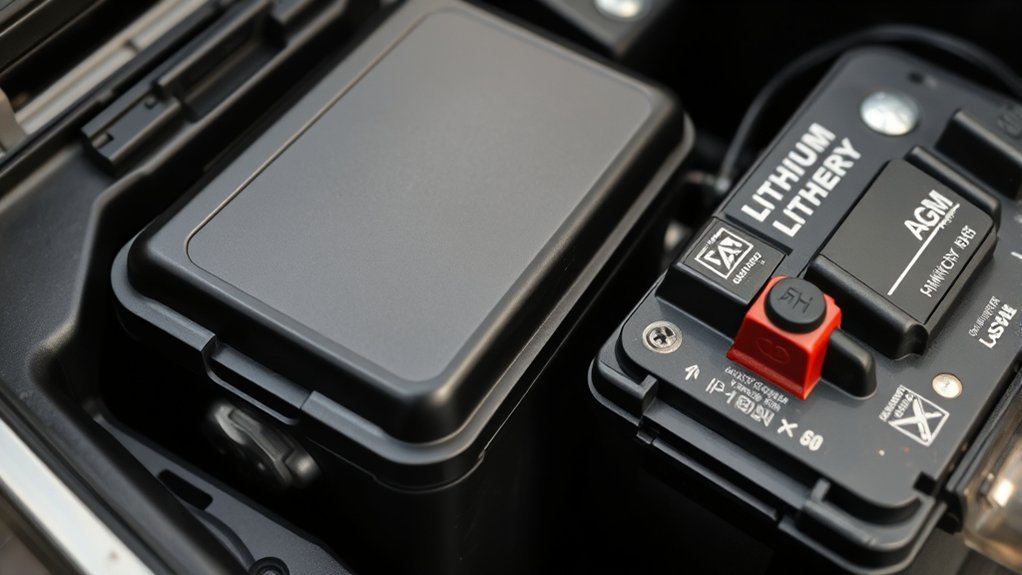
While both motorcycle lithium batteries and AGM batteries serve as reliable power sources, their lifespans and maintenance needs differ considerably. Lithium batteries generally last longer—up to 8-10 years—due to their stable chemistry and fewer internal components, whereas AGM batteries typically last 3-5 years. Maintenance for lithium batteries is minimal; they require regular voltage checks and proper charging, while AGM batteries need periodic electrolyte level inspection and terminal cleaning. From an environmental perspective, lithium batteries have a higher environmental impact during manufacturing but offer better recyclability, reducing long-term waste. AGM batteries involve more frequent maintenance and have a less eco-friendly disposal process. Overall, longevity and maintenance are critical factors influencing the lifecycle and environmental footprint of each battery type.
Cost Differences: Which Battery Offers Better Value?
Although lithium batteries typically have a higher upfront cost, they often provide better long-term value due to their extended lifespan and lower maintenance expenses. Their durability reduces replacement frequency, lowering overall costs. Additionally, lithium batteries feature optimized charging protocols that enhance efficiency while preventing damage, which can conserve energy and prolong battery health. When considering cost, it’s crucial to account for battery recycling programs, as lithium batteries are more recyclable than AGM types, reducing environmental impact and disposal costs over time. Conversely, AGM batteries are generally cheaper initially but require more frequent replacements, increasing cumulative expenses. Hence, despite higher initial investment, lithium batteries can be more cost-effective over the lifespan, especially when factoring in their recyclability and the efficiencies gained through proper charging protocols.
Performance in Extreme Temperatures: Lithium vs AGM
Extreme temperatures considerably impact motorcycle battery performance, and understanding how lithium and AGM batteries respond is essential for ideal operation. Lithium batteries excel in cold conditions, maintaining high capacity and reliable startup power, thanks to their low internal resistance. In contrast, AGM batteries tend to perform better in hot environments but can suffer from accelerated capacity loss during extreme cold. Additionally, temperature fluctuations influence the batteries’ lifespan and efficiency, affecting maintenance needs. From an environmental perspective, lithium batteries require careful battery recycling due to their chemical components, reducing their overall environmental impact when properly disposed of. AGM batteries are generally more straightforward to recycle but may pose environmental concerns if not handled correctly. Recognizing these differences helps optimize performance and minimizes environmental impact across varying temperature ranges.
Which Battery Is Safer for Motorcycle Use?
When comparing safety, we must consider the flammability risks and leak potential of lithium and AGM batteries, as these factors directly impact rider safety. Lithium batteries are more prone to thermal runaway if damaged or improperly handled, while AGM batteries generally pose lower fire hazards but can leak corrosive acid if compromised. Evaluating handling precautions is essential to mitigate these risks and determine which battery type offers a safer profile for motorcycle use.
Flammability Risks
Liability for fire hazards makes flammability risks a crucial factor in selecting a motorcycle battery. Lithium batteries, while energy-dense, pose higher thermal runaway risks if damaged or improperly manufactured. AGM batteries, with their absorbed glass mat design, are less prone to thermal incidents, yet still contain flammable electrolytes. Manufacturing processes, including quality control and safety protocols, influence these risks. Proper battery recycling reduces environmental hazards but also minimizes fire potential by preventing corrosive buildup. To compare, consider the following:
| Battery Type | Flammability Risk | Manufacturing Focus |
|---|---|---|
| Lithium | Higher | Stringent quality control, safety standards |
| AGM | Lower | Robust sealing and electrolyte management |
| Both | Moderate | Consistent manufacturing practices |
Understanding these factors helps determine which battery offers safer use under various conditions.
Leak Potential
While both lithium and AGM motorcycle batteries are designed to contain their internal electrolytes securely, the potential for leakage varies considerably between the two types. AGM batteries use absorbed glass mat technology, making electrolyte containment robust, reducing leakage risk. Lithium batteries, however, contain liquid electrolytes that are more susceptible to leakage if damaged or improperly handled, posing safety concerns. Leakage from lithium batteries can cause corrosion and environmental harm, emphasizing the importance of proper disposal and battery recycling. AGM batteries generally have a lower leakage potential, contributing to a safer profile during use. From an environmental impact perspective, both types require responsible battery recycling to prevent electrolyte leakage into ecosystems, but lithium batteries demand stricter handling protocols to mitigate leakage risks effectively.
Handling Precautions
Handling precautions are critical when determining which motorcycle battery—lithium or AGM—is safer for use. Proper management minimizes risks like thermal runaway, especially with lithium batteries. To guarantee safety, follow strict charging etiquette: avoid overcharging, use compatible chargers, and monitor voltage levels. Correct disposal and battery recycling practices are essential to prevent environmental hazards and reduce fire risks. Always handle batteries with insulated tools to prevent short circuits. Store batteries in a cool, dry environment, away from flammable materials. Regular inspection for leaks, swelling, or corrosion helps identify potential hazards early. Proper training on battery handling reduces accidental damage and personal injury. These precautions collectively enhance safety, regardless of the battery type, by emphasizing control and awareness during installation, charging, and disposal processes.
How to Choose the Right Battery for Your Riding Style
Selecting the appropriate motorcycle battery depends heavily on your riding style, as different applications demand varying performance characteristics. For aggressive riding or frequent short trips, a lithium battery offers rapid response and high cranking power, but consider its environmental impact and the importance of proper battery recycling. Conversely, AGM batteries excel in stability and longevity, making them suitable for touring or daily commuting. When choosing, evaluate your power needs, vibration resistance, and maintenance preferences. Additionally, consider how each battery type impacts the environment; lithium batteries typically have a higher energy density but pose recycling challenges, while AGM batteries are more straightforward to recycle. Making an informed choice balances performance with environmental responsibility, ensuring you select a battery aligned with your riding style and sustainability goals.
Installation Tips and Common Troubleshooting for Lithium and AGM Batteries
Installing a lithium or AGM motorcycle battery correctly is essential to guarantee peak performance and safety, as improper installation can lead to electrical issues or damage. Confirming proper terminal connections, adhering to manufacturer-recommended charging protocols, and maintaining correct polarity are key steps. Regularly verify the battery’s voltage and electrolyte levels, especially for AGM types. Proper disposal through battery recycling is critical to prevent environmental harm. Troubleshooting common issues involves checking for loose connections, corrosion, or parasitic drains. Additionally, understanding the differences in charging protocols helps prevent overcharging or undercharging, which can compromise battery longevity. By following these guidelines, riders can optimize performance, extend battery life, and guarantee safe operation of both lithium and AGM batteries.
Frequently Asked Questions
Can Lithium Batteries Be Recycled Easily?
We find lithium batteries can be recycled, but recycling challenges exist due to their complex chemistry and small component sizes. While they offer a longer battery lifespan, efficient recycling processes are essential for environmental sustainability.
Do AGM Batteries Have Any Environmental Advantages?
Agm batteries offer environmental advantages by enabling safer, more straightforward battery disposal, reducing harmful emissions. Their recyclable design minimizes environmental impact, making them a more sustainable choice compared to other options, though recycling infrastructure remains essential for peak eco-effectiveness.
How Do Charging Times Compare Between Lithium and AGM?
Charging times for lithium batteries are typically faster due to higher charging efficiency, enabling quicker power restoration. AGM batteries generally take longer, but they retain power well over time, impacting overall performance and maintenance needs in motorcycle applications.
Are There Specific Motorcycle Models Better Suited for Lithium Batteries?
We find lithium batteries excel in lightweight design and longer lifespan, making them ideal for sport and touring bikes. Their weight reduction considerably improves handling, especially on high-performance models, enhancing overall efficiency and rider experience.
What Are the Warranty Differences Between Lithium and AGM Batteries?
We find lithium batteries often come with longer warranties due to their extended lifespan, whereas AGM batteries tend to have shorter warranties; however, lithium’s higher initial cost is offset by better durability and performance, making an all-encompassing cost comparison essential.
Conclusion
In summary, choosing between lithium and AGM motorcycle batteries hinges on weighing weight, lifespan, and performance needs. Lithium batteries, offering a 70% weight reduction over AGM, excel in cold weather and aggressive riding, but come with higher initial costs. Conversely, AGM batteries provide proven reliability and easier recycling. Our analysis suggests that for riders prioritizing weight savings and longevity, investing in lithium batteries yields substantial long-term benefits, especially considering their superior cold-start performance and extended service life.